Kuala Lumpur Travel Guide: Everything You Need to Know
By Travel Treat Together2 February 20268 min read
Table of Contents
Overview
Kuala Lumpur, or KL as locals call it, is the capital city of Malaysia. It’s a big, busy city with tall buildings, old temples, and lots of shopping malls. The city mixes modern life with traditional culture. You’ll see the famous Petronas Twin Towers next to 100-year-old temples. It’s a great place for first-time visitors because people are friendly, food is cheap, and there’s so much to see.
How KL Became My Home
How do you describe a city that raised you? I still don’t have a clean answer, so let me tell you what it felt like instead.
I landed in Kuala Lumpur on 3 May 2016 to do my Master’s. I came alone, and I did not know a single person here.
Back in India, most of my time went into studies. I had never really travelled, not even within India. So this was my first time travelling alone, and my first time in a new country.
Everything was new: the food, the people, the buildings, the way you get around. I was nervous, but mostly excited.
My very first stop was Masjid Jamek, because I was looking for part-time work. That is how it began: not with a tourist map or a famous landmark, but with work. You don’t see the postcard version of a city that way. You see the real one: the old part of town, the noise, people getting on with their day.
After that, I went somewhere new almost every weekend. Ten years later, KL is home, and it has also been my starting point for trips to many other countries.
Petronas Tower, Kuala Lumpur, Malaysia
An Iconic View: The Petronas Twin Towers
My first KLCC
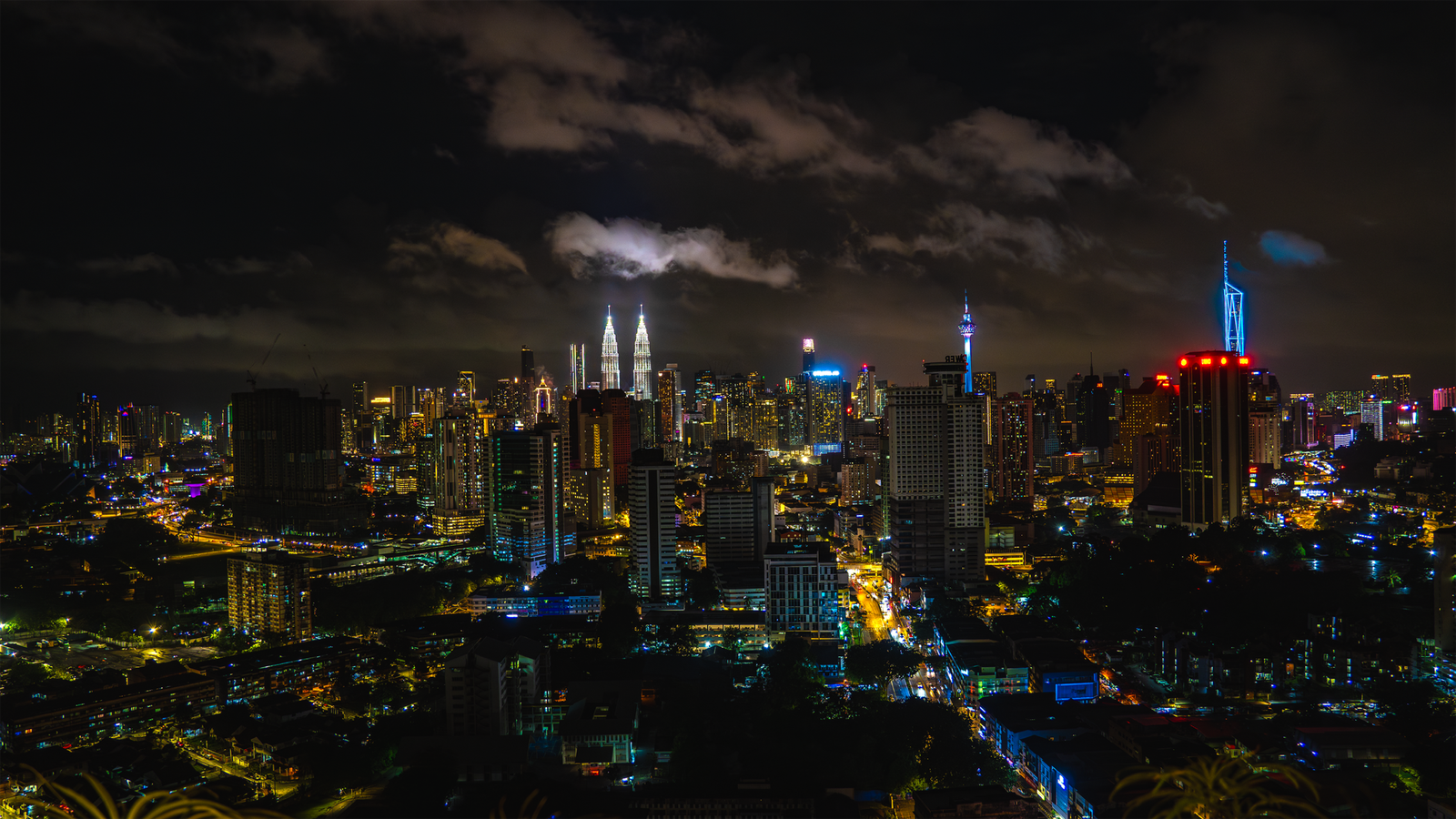
The Petronas Towers were visible from my balcony, so KLCC was the first place I went to explore. I went alone, because I did not know anyone yet.
I still remember just standing there, staring up. By day they are impressive. At night, lit up against the dark, they become something else. I just kept staring.
Things to Consider Before You Go
Money: Malaysia uses the Ringgit (MYR). Exchange rates change, so check the current rate before you go. KL is cheap compared to most big cities: a meal at a normal local restaurant usually costs me around RM10–20.
Visa: Many countries can enter Malaysia visa-free for 30–90 days, but the rules change, so check the official Malaysian immigration website before you book. I first came in 2016 on a student visa.
Culture: Islam is the official religion, but Malaysia is multicultural: Malay, Chinese and Indian communities live side by side. Dress modestly when visiting mosques and temples, and cover your shoulders and knees.
Safety: KL is generally safe for visitors. Still, watch your bag in crowded places like Bukit Bintang and don’t flash expensive things.
Internet: Get a local SIM card when you arrive. I have been with U Mobile since I landed in 2016, and I still have the same number. Free WiFi in malls and cafés is handy, but a SIM makes maps and Grab much easier.
The National Museum of Malaysia
Weather
KL is hot and humid all year. The temperature stays around 30-33°C (86-91°F).
There are two main seasons:
Dry season: May to July and December to February
Rainy season: March to April and September to November
Even in rainy season, it usually rains for 1-2 hours in the afternoon, then stops. Bring an umbrella any time you visit.
Transportation
Getting around KL is easy and cheap.
From the Airport:
KLIA Ekspres train: Fast train to city center (28 minutes, about 55 Ringgit)
Airport bus: Cheaper option (1 hour, about 10 Ringgit)
Taxi or Grab: About 70-100 Ringgit
In the City:
Grab app: Like Uber. Very cheap and easy. Download this app!
LRT/MRT trains: Clean, air-conditioned, and cheap (2-5 Ringgit per trip)
Monorail: Goes to shopping areas
Buses: Cheap but can be confusing for tourists
Walking: Some areas are walkable, but it’s very hot
Tip: Get a Touch ‘n Go card. You can use it on all trains and buses.
How I get around
I mostly use the bus or Grab. Grab is easy, but I enjoy the bus more. You see the city properly from the window, street by street.
My tip: get a Touch ’n Go card. You can top it up at convenience stores and use it on buses and trains, and to pay in many other places around the city.
Rapidkl Lrt Line, Kuala Lumpur, Malaysia
Things to Do
Visit the Petronas Twin Towers The famous twin towers are 452 meters tall. You can go up to the sky bridge and observation deck. Book tickets online before you go. It costs about 85 Ringgit.
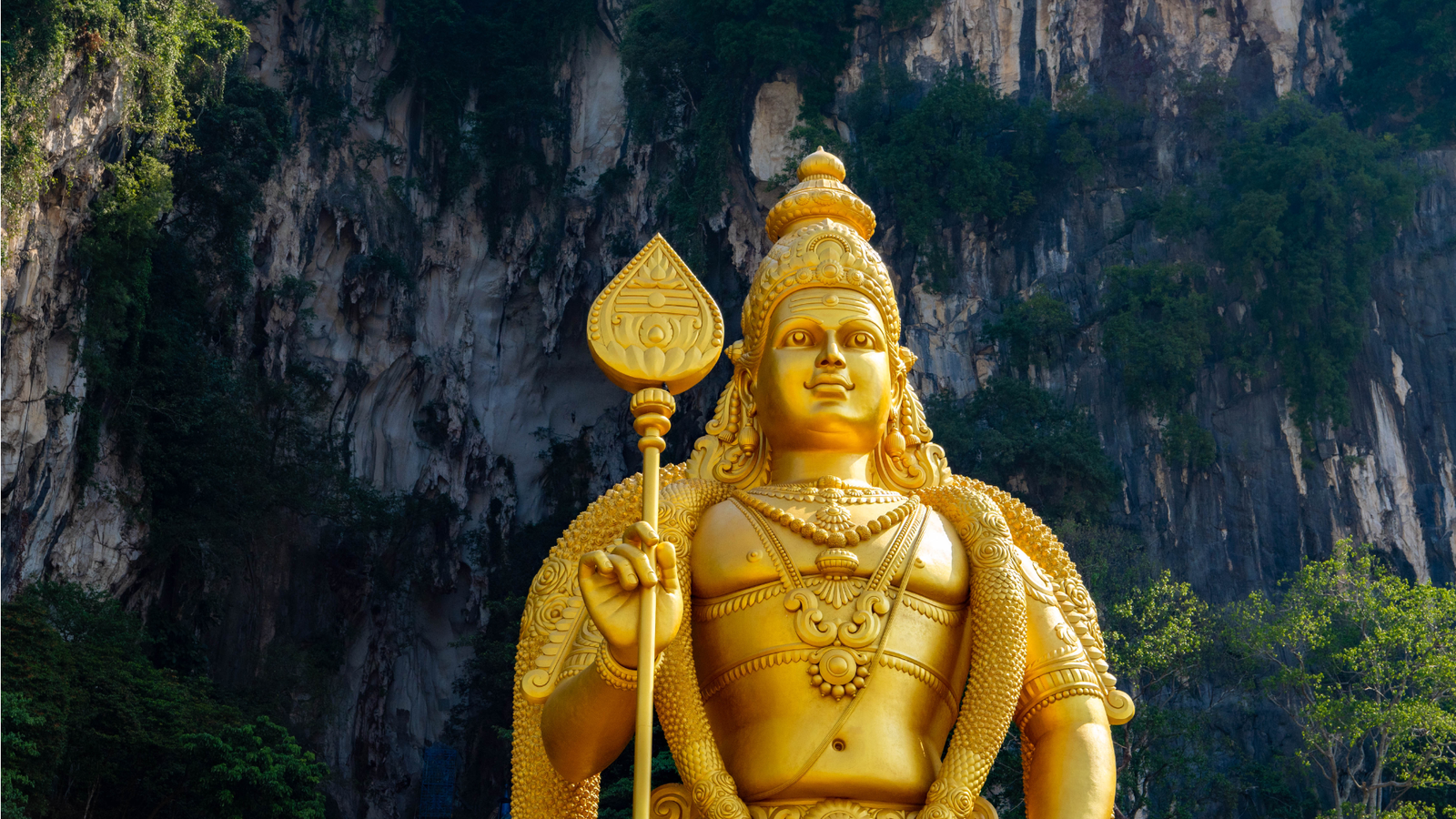
Explore Batu Caves These are huge caves with a Hindu temple inside. There are 272 colorful steps to climb. Free to enter. Go early in the morning before it gets too hot. Watch out for cheeky monkeys!
Walk Around Chinatown Petaling Street is the main area. You’ll find fake bags, cheap clothes, and street food. Practice your bargaining skills here.
See the Petronas Towers Light Show Every night, there’s a free fountain show with lights and music at KLCC Park. It’s beautiful and free.
Visit a Shopping Mall KL loves shopping malls. They’re huge and have everything. The malls are also great to escape the heat. Try Pavilion, Suria KLCC, or Berjaya Times Square.
Relax in KLCC Park This park is right below the Petronas Towers. Nice for walking, jogging, or just sitting. There’s a playground for kids and a man-made lake.
Try the KL Tower If you want another view of the city, go up the KL Tower. Some people say the view is better than Petronas Towers.
KL Tower, Kuala Lumpur, Malaysia
Popular Destinations
Bukit Bintang: The main shopping and entertainment area. Lots of malls, restaurants, and bars.
KLCC: Where the Petronas Towers are. Modern area with parks and high-end shopping.
Merdeka Square: Historical area with colonial buildings. The Malaysian flag was first raised here.
Little India: Colorful area with Indian shops, temples, and restaurants. Great for buying saris and spices.
KL Sentral: The main transportation hub. Good base to stay because trains go everywhere from here.
Bukit Nanas Forest: A small rainforest in the middle of the city. Free walking trails and you might see monkeys.
Places I keep going back to
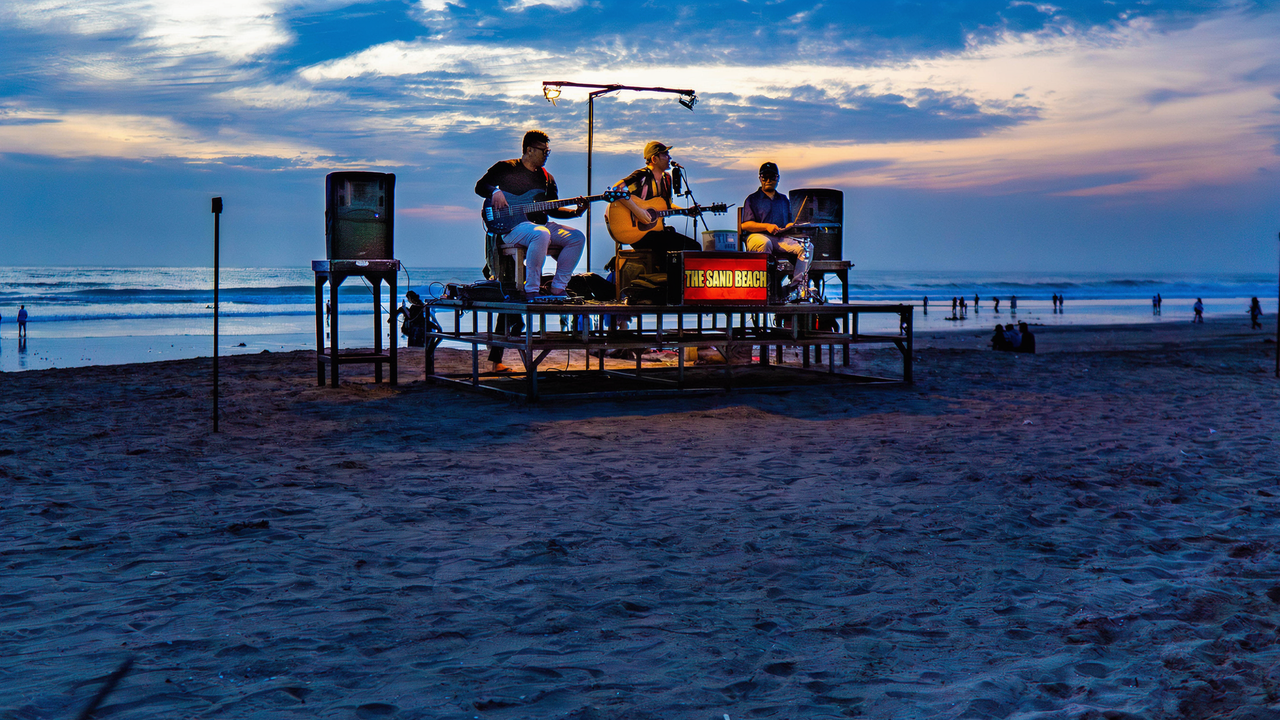
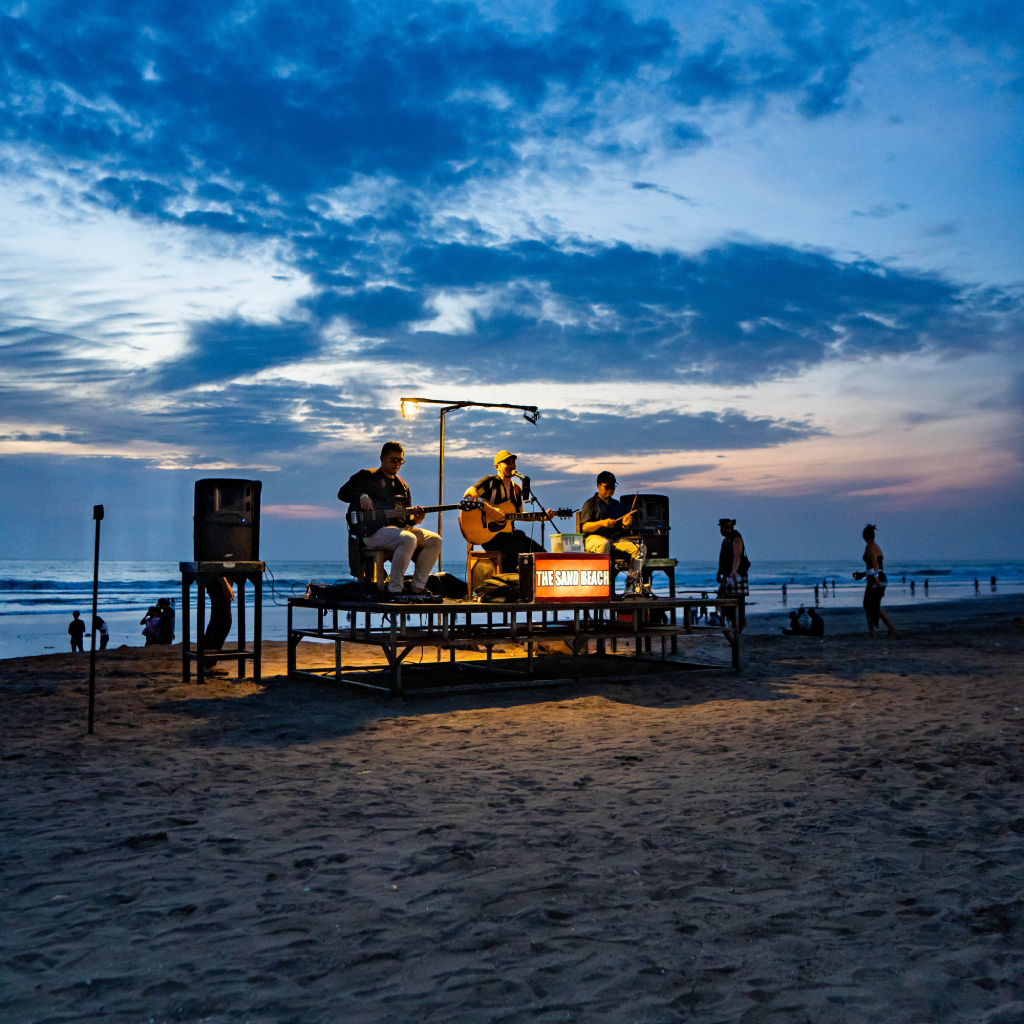
Bukit Bintang: I have been many times. At night it has its own vibe: crowded with tourists and locals, every kind of food, big malls and live bands.
Brickfields: I went with a friend a couple of years after I arrived, just before Deepavali. I noticed everything, from what people were selling to whether the sweets tasted like the ones back home in India. That is what KL does: it makes you compare everything. Not to judge, but to understand.
Batu Caves: I had heard so much about it, but it meant a train ride out of the city, and going that far alone felt like a lot back then. It took me a while to finally go. Read our Batu Caves guide →
Merdeka Square, Kuala Lumpur, Malaysia
Language Spoken
The main language is Malay (Bahasa Malaysia). But don’t worry! Most people speak English, especially in tourist areas.
Useful Malay words:
Hello: Selamat (se-la-mat)
Thank you: Terima kasih (te-ri-ma ka-seh)
How much?: Berapa? (be-ra-pa)
Delicious: Sedap (se-dap)
Yes: Ya
No: Tidak
Chinese and Tamil are also spoken because Malaysia has many different cultures.
Three communities, many languages
Malaysia’s main communities are Malay, Indian and Chinese, and everyone speaks their own language. When I first arrived, I understood almost nothing around me.
Honestly, ten years later it is still mostly the same. I know a few words, but not enough. I have made my peace with it, and the people here are open and friendly. They don’t seem to mind.
Popular Food to Try
Food in KL is amazing and cheap. Here’s what you must eat:
Nasi Lemak: Malaysia’s national dish. Rice cooked in coconut milk with egg, peanuts, cucumber, and spicy sambal sauce. Perfect for breakfast. Costs 5-10 Ringgit.
Roti Canai: Flat, crispy bread served with curry sauce. Great for breakfast or snack. About 2-3 Ringgit.
Satay: Grilled meat on sticks with peanut sauce. You’ll find this everywhere.
Char Kway Teow: Fried noodles with prawns, eggs, and bean sprouts. So tasty!
Laksa: Spicy noodle soup. Each region makes it differently. Try Penang laksa or curry laksa.
Bak Kut Teh: Pork rib soup with herbs. Popular for breakfast.
Durian: The “king of fruits”. It smells terrible but locals love it. Try once if you’re brave!
Cendol: Sweet dessert with shaved ice, coconut milk, and green jelly. Perfect for hot days.
Where to Eat:
Jalan Alor: Famous food street in Bukit Bintang. Open at night.
Lot 10 Hutong: Food court with best local food in one place
Mamak stalls: Indian-Muslim restaurants. Open 24 hours, very cheap
Hawker centers: Local food courts everywhere
What I actually eat
Over the years I have lived with housemates from different backgrounds. I tried the food they cooked and watched how they made it, and some of those dishes became favourites.
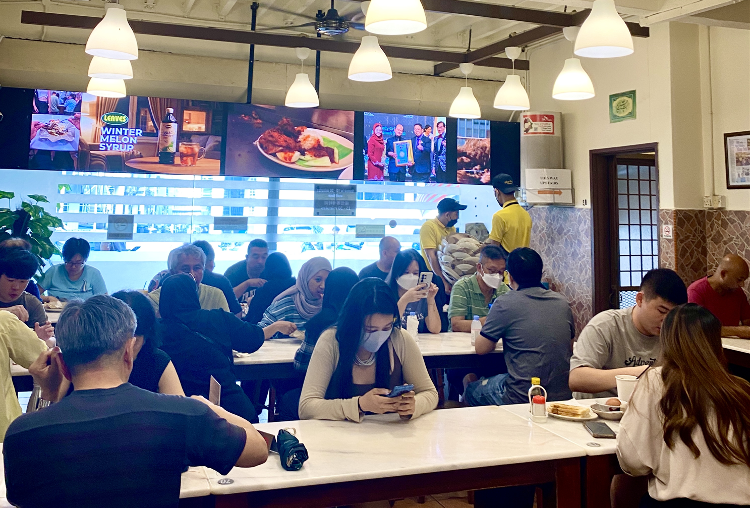
Today my go-to orders are Tom Yam soup, Chinese fried rice and mixed rice. And nasi lemak, of course: simple rice with peanuts and sambal, and at a good place it comes with fried chicken. My favourites are at Oriental Kopi and Village Park.
Best months: December to February and June to August
Less rain
Many festivals and events
School holidays (so more crowded)
Good months: March to May, September to November
More rain but still okay
Fewer tourists
Better hotel prices
Avoid if possible: October to November
Heavy rain season
Some flooding possible
Special times:
Chinese New Year (January/February): City is decorated with red lanterns. Some shops close.
Hari Raya (dates change yearly): Muslim celebration. Beautiful lights and decorations.
Thaipusam (January/February): Amazing Hindu festival at Batu Caves.
Other Important Things for First-Time Travelers
Electrical outlets: Type G (UK style, 3 square pins). Voltage is 240V. Bring an adapter.
Drinking water: Don’t drink tap water. Buy bottled water. It’s very cheap (2-3 Ringgit).
Bargaining: You can bargain at markets and street shops. Try asking for 30-50% off. But don’t bargain in regular stores or restaurants.
Tipping: Not required in Malaysia. But you can round up or leave small change if service was good.
Prayer times: You’ll hear the call to prayer 5 times a day from mosques. It’s normal.
Toilets: Some toilets are squat toilets. Always carry tissues because not all bathrooms have toilet paper. Many places have a water hose instead – it’s the local way to clean.
Dress code: Casual is fine. But bring one outfit that covers shoulders and knees for temples. Shoes off when entering someone’s home or religious places.
Best areas to stay:
Bukit Bintang: Best for shopping and nightlife
KLCC: Modern area, close to Petronas Towers
KL Sentral: Best for transportation connections
Chinatown: Budget option, very local feel
Health: No special vaccines needed. Bring mosquito repellent. The hospital system is good if you need a doctor.
Spicy food: Malaysian food can be very spicy. Always ask “not spicy” or “less spicy” if you can’t handle heat.
Scams to watch:
Fake taxis (use Grab instead)
Overpriced tourist restaurants (eat where locals eat)
Gem or tea ceremony scams (avoid strangers who invite you to these)
One more thing from me
KL is clean and modern, and you will meet every kind of person here.
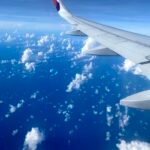
And if you are coming from India: the flight home is only about five hours, so family is never too far away.
Verdict
Kuala Lumpur is perfect for first-time travelers to Asia. It’s modern, safe, and easy to get around. The food is incredible and so cheap. You can shop in huge malls, climb temple stairs, and see amazing tall buildings all in one day.
The mix of Malay, Chinese, and Indian cultures makes the city interesting. There’s always something new to discover. Three to four days is enough to see the main sights, but you could easily spend a week here.
The heat and humidity might be challenging if you’re not used to it. Take breaks in air-conditioned malls. Drink lots of water. Wear light clothes.
Overall, KL gives you a taste of modern Asia without being too overwhelming. It’s affordable, friendly, and full of good food. Whether you’re a budget backpacker or a luxury traveler, you’ll find something to love here.
My rating: 9/10. I took one point off only because of the weather. The heat can be tough. But everything else is amazing!
Bottom line: Go to Kuala Lumpur. Eat everything. Take lots of photos. You’ll want to come back.
Have you been to Kuala Lumpur? What was your favorite thing? Let me know on Instagram @traveltreattogether!
You don’t need to know the language to belong. You need to be curious, and kind, and willing to stay.
KUALA LUMPUR, 2016 TO 2026
About Us
We’re three friends who met in Malaysia and turned our love for travel and food into Travel Treat Together. Full-time professionals who never quit our jobs — just found a way to make every trip count.
Travel Treat Together is a travel blog for working professionals who want to see the world without quitting their jobs. Explore destination guides, itineraries and stories from across Asia and beyond.