Sibu, Sarawak
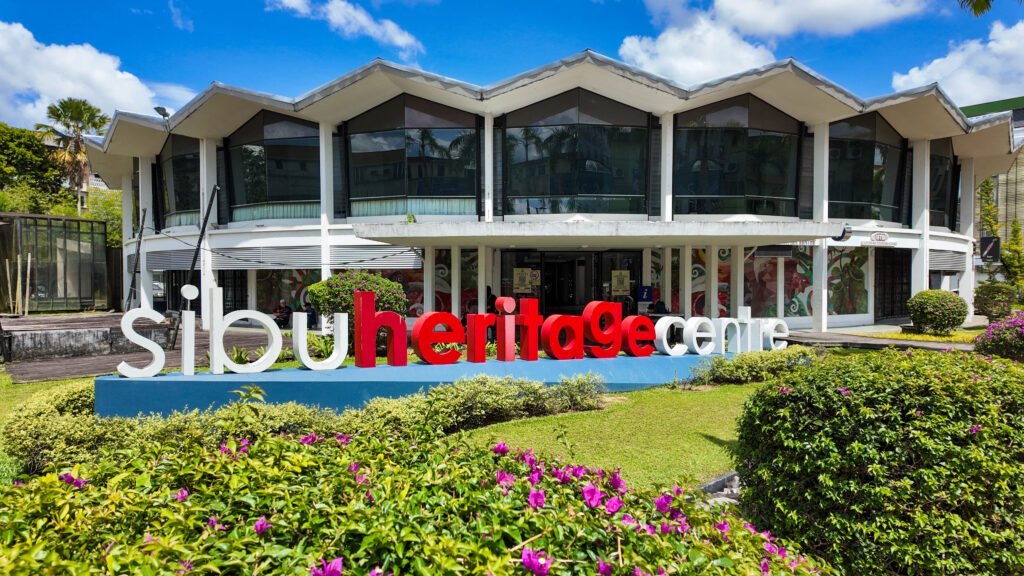
Travel Discovering Sibu: The Heartbeat of the Rajang River Overview Let me be honest — when most people plan a Sarawak trip, Sibu is not the first name that comes to mind. Everyone rushes to Kuching or Miri. But that’s exactly why Sibu is worth a visit. Sibu is the third largest city in Sarawak and sits along the Rejang River — the longest river in Malaysia. It’s a busy, lived-in, real-life kind of town. No over-the-top tourist traps. No Instagram-optimised waterfronts. Just a city with an incredibly rich trading history, a fascinating mix of cultures, and food so good it’ll rearrange your priorities in life. Why it’s popular Sibu draws a specific kind of traveller — one who wants something genuine. Here’s why people keep coming back. Foochow Chinese Heritage— Sibu has one of the most concentrated Foochow Chinese communities outside of China. The dialect, the food, the temples, the architecture — all of it feels incredibly preserved and distinct. The Rejang River— The river is the lifeblood of the region. Watching the express boats and cargo ferries move up and down the river is a visual experience that feels timeless. Hawker food culture— Sibu’s wet markets and hawker centres are legendary among food lovers. The food here is honest, cheap, and deeply delicious. Gateway to the interior— Sibu is the main jumping-off point for boat journeys upriver to Kapit and beyond — places where longhouse culture is still very much alive. Sibu Heritage Centre— For anyone who wants to understand how this trading town grew from a tiny settlement into a city, the heritage centre tells the story beautifully. Sibu rewards slowness. The more time you give it, the more it gives back. Things to do You won’t need to rush here. Sibu is a city for wandering, eating, and observing. But here are the must-dos: Sibu Waterfront— Walk the promenade along the Rejang at golden hour. Watch the boats, breathe in the river air, and just soak in how alive this stretch of water is. Lau King Howe Memorial Museum— Tells the story of Sibu’s first hospital and its Chinese pioneer roots. Small but fascinating. Tua Pek Kong Temple— An iconic seven-storey pagoda that’s been standing since the early 20th century. Climb it for a view over the city and the Rejang. Central Market (Pasar Sibu)— Go early — 6 to 8am is peak hour. Wild boar, freshwater fish, jungle ferns, pineapples, and things you’ve genuinely never seen before. Day trip to Kapit— Take a 2-hour express boat upriver. Kapit is a small town deep in the jungle interior, gateway to Iban longhouses. It’s like stepping into another world. Methodist Pilley Institute & Old Town Area— Wander around the old town and the heritage shophouses. The architecture tells the whole colonial-era trading story without a single tour guide. Night markets— At night, grab a plastic stool at the open-air markets. Beer is cold, company is warm, and the food never stops coming. Pro tip The express boat to Kapit departs from the Sibu Express Wharf in the morning. Get there by 8am, buy your ticket, and you’ll be deep in the rainforest by lunch. No booking needed, just show up. Weather Sibu is hot and humid all year round — it’s Borneo, after all. Don’t expect dramatic seasons. Expect sweat, sudden rain, and then bright sunshine 20 minutes later. The rain here is heavy but usually short. It pours for 30 minutes and then the sun is back out. Carry a small umbrella or a poncho and you’ll be fine. The best months to visit are between May and August — it’s drier, slightly cooler in the evenings, and the river is at a good level for boat trips. Morning is the best time to be outside. Markets are buzzing, it’s not yet cooking hot, and the light on the river is gorgeous. By 2pm, find yourself a coffee shop or an air-conditioned spot and wait it out. Culture Culture is probably Sibu’s biggest surprise for first-time visitors. You expect a small trading town — and you get a layered, fascinating mix of identities all living side by side. The Foochow Chinese settlers arrived in the early 1900s under the guidance of Methodist missionary Wong Nai Siong, and their influence is everywhere — in the dialects spoken, the temples built, the food cooked, and the way business is conducted. Walking through the old town feels like a living museum. But it’s not just Chinese culture. Sibu is also home to Iban, Malay, Melanau and other indigenous communities. You’ll hear multiple languages in a single coffee shop conversation. And somehow, it all fits. Festivals here are a serious affair. Chinese New Year in Sibu is one of the liveliest in all of Sarawak — the kind of celebration where entire streets light up and the noise doesn’t stop for three days. The Methodist church also plays a surprisingly central role in the community’s identity — there are large churches, mission schools, and institutions that have been here for over a hundred years. It’s a reminder that Sibu’s character was shaped by an unusual crossing of Chinese roots, indigenous culture, and Christian missionary history, all fused together over generations. Food You Must Try You cannot visit Sibu without an appetite. The food here is unique, even compared to the rest of Sarawak. Kampua Mee: The undisputed king of Sibu food. These are simple dry noodles tossed in lard (or vegetable oil) and topped with slices of pork. It’s cheap, delicious, and eaten for breakfast, lunch, and dinner. Kompia: Often called the “Foochow Bagel,” these are hard bread rolls baked in a traditional clay oven. Try them plain or stuffed with minced meat. Sarawak Laksa: While Kuching is famous for it, Sibu has its own fantastic versions. It’s a spicy, coconut-based noodle soup that’s “breakfast of the gods.” Ding Bian Hu: A delicate rice flour soup cooked by pouring batter around the edges of a wok. It’s light, savory,
Batu Caves
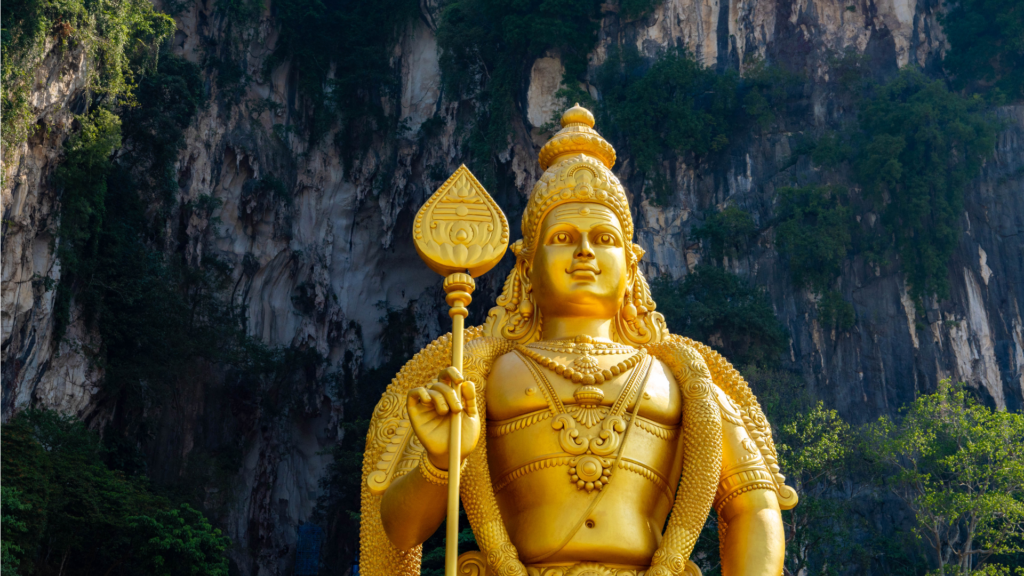
Travel Batu Caves — From the city streets of KL to the top of 272 sacred steps Ready to trade the city for the sacred? Batu Caves is a stunning limestone landmark just a short drive from Kuala Lumpur. Join me as we leave the busy streets behind for this famous spiritual wonder. Overview I have been to many places in Malaysia, but Batu Caves always feels different. There is something about it that stops you in your tracks the moment you arrive. Maybe it is the huge golden statue of Lord Murugan standing tall at the entrance. Maybe it is the 272 colourful steps going up into the sky. Whatever it is, this place has a magic that is hard to explain in words. Getting There from Kuala Lumpur The good news is — Batu Caves is very easy to reach. It is only about 13 kilometres north of Kuala Lumpur city centre. You can take the KTM Komuter train directly to Batu Caves station, and the whole ride takes less than 30 minutes. If you prefer, you can also drive or take a Grab car. The scenic drive through the outskirts of KL is already a nice start to the trip. Driving to Batu Caves with a local friend made the whole trip so much more enjoyable. Having someone else navigate the Malaysian traffic meant I could just sit back and soak it all in. I’ll never forget the moment that massive statue came into view from the car window—it was absolutely breath-taking. My friend just laughed at my expression and said, ‘This is just the beginning.’ Watch the journey https://youtu.be/KvBuhbYNq3g?si=WYdCItOEeVt2UuNd The Golden Statue — Your First Wow Moment Before you even think about climbing, stop and look up. Standing at 42.7 metres tall, the golden statue of Lord Murugan is one of the tallest statues in Malaysia. It is made of pure gold-painted concrete and it shines brightly under the Malaysian sun. This is a great spot to take photos. The blue sky behind the gold statue looks amazing in pictures. Come early in the morning for the best light and fewer crowds. Good to Know Batu Caves is a Hindu temple, so it is a place of worship. Please dress modestly — cover your shoulders and knees. If you forget, there are sarongs available at the entrance for a small fee. Always be respectful when you visit. Climbing the 272 Steps Now comes the fun part. The 272 steps lead you up into the heart of the limestone hill, right to the Cathedral Cave at the top. The steps are painted in bright rainbow colours, which makes the whole climb feel like a celebration. Is it hard? A little, yes. The steps are steep in some places, and the Malaysian heat and humidity can make you sweat. But take your time, stop to rest, and enjoy the view as you climb higher. Most people of all ages can do it — I saw elderly visitors, young children, and even people carrying offerings all making the climb with big smiles. Also — watch out for the monkeys! Long-tailed macaques live all around the caves. They are cute but cheeky. Hold your bags tight and do not show any food in the open, or they will try to grab it. Inside the Cathedral Cave When you reach the top and walk inside the cave, you will feel a rush of cool air. The Cathedral Cave is massive. The ceiling of the cave is over 100 metres high and open to the sky in places, letting in shafts of natural light. It feels like being inside a natural cathedral. Inside, there are Hindu shrines, colourful statues, and flowers everywhere. The smell of incense fills the air. It is a truly spiritual atmosphere, even if you are not religious. Many devotees come here to pray, and watching them is a quiet and moving experience. The Views from the Top From the mouth of the cave, you can look out and see incredible views of the surrounding hills and Kuala Lumpur in the distance. On a clear day, you can spot the KL skyline from up here. The green hills around the cave look beautiful and peaceful. Take a moment here. Sit down, drink some water, and just breathe. You worked hard to get up those steps — you deserve to enjoy the view. Watch Out for the Monkeys! The most famous residents of Batu Caves are the monkeys. You will see them everywhere—on the railings, on the stairs, and jumping through the trees. They are very cute, but be careful! These monkeys are experts at finding food. Keep your bags closed. If they see a plastic bag or a bottle of water, they might try to grab it. Don’t feed them. It is better to just watch them play from a distance. They are very funny to watch, especially the baby monkeys! What to Eat Nearby After all that climbing, you will be hungry. The area around the entrance has small food stalls and shops selling fresh coconut water, fried snacks, and Indian street food. The coconut water is especially refreshing after the climb — cold, sweet, and perfect. If you want a full meal, there are some good Indian vegetarian restaurants just a short walk from the cave entrance. The food here is simple and honest — roti canai, dal curry, and fresh lime juice are popular choices and very affordable. Quick Tips Before You Go Go early — arrive by 7:30 AM to beat the crowds and the heat Bring a bottle of water — you will need it on the climb Wear comfortable shoes with a good grip on the steps Entry to the main cave is free of charge The cave is open every day including weekends and public holidays During Thaipusam festival (January or February), the cave draws hundreds of thousands of visitors — plan ahead Why You Should Go Batu Caves is not just a tourist spot. It is a living place of worship that has been here for hundreds of years. It shows you the culture, the faith, and the beauty of
Penang: The Foodie Paradise You Need to Visit
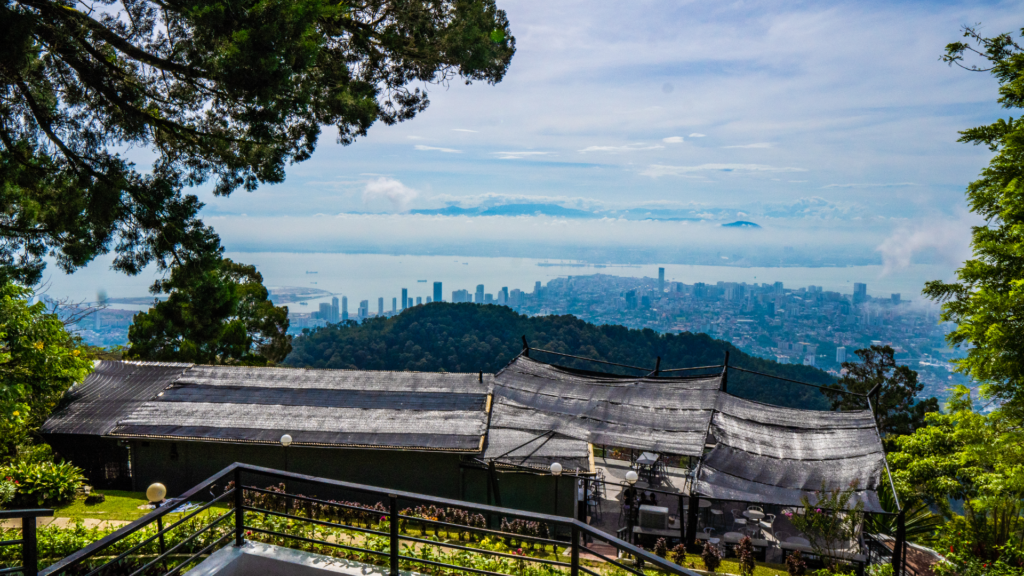
Travel Penang: the foodie paradise you need to visit Overview Some places you visit, but Penang is the kind of place that stays with you long after you leave. Located off the coast of Malaysia, this small island has a lot to offer. In a single day, you can explore colorful street art and historic buildings, eat a world-class bowl of laksa for lunch, and watch a peaceful sunset over the ocean. I’ve traveled to many countries, and I truly believe Penang is a place everyone should see at least once. What Is Penang? Penang (officially Pulau Pinang) is a state in Malaysia made up of two parts: Penang Island, where most of the magic happens, and a small strip of mainland called Seberang Perai. The island’s capital, George Town, was declared a UNESCO World Heritage Site in 2008 — and the moment you walk its old streets, you’ll understand exactly why. It’s a melting pot in the truest sense. Chinese, Malay, Indian, and British colonial influences have been simmering together here for centuries, and what you get is a culture, an architecture, and a food scene that exists nowhere else on earth. It’s loud in the best way. It’s colorful in every sense of the word. And it’s incredibly, beautifully human. Watch the journey https://www.youtube.com/watch?v=4vYFUK7D5VY What Is Penang Popular For? If you ask most travelers why they’re heading to Penang, they’ll tell you: the food. And they’re not wrong. Penang is widely regarded as Malaysia’s food capital — some even say it’s one of the best food destinations in all of Southeast Asia. But Penang is so much more than that. It’s equally famous for its street art, its heritage architecture, its vibrant multicultural festivals, and its laid-back island energy that somehow coexists with a buzzing city life. It’s a photographer’s paradise, a culture lover’s dream, and yes — an absolute heaven for anyone who eats with their whole heart. George Town, Penang Things To Do in Penang Explore George Town on Foot (or Bicycle) Seriously, just walk. George Town rewards the slow traveler. Wander through Armenian Street, Love Lane, and Lebuh Chulia and let the city talk to you. Every alley has a story. Rent a bicycle if your feet give up — the whole heritage zone is flat and very bikeable. Climb Penang Hill (Bukit Bendera) Take the funicular railway up to 833 meters above sea level and watch the whole island unfold below you. Golden hour up here? Absolutely unreal. Bring a jacket — it gets cool at the top, which is a luxury when you’ve been sweating at sea level all day. Visit Kek Lok Si Temple One of the largest Buddhist temples in Southeast Asia, this place is nothing short of breathtaking. Go early in the morning to beat the crowd and catch the mist. During Chinese New Year, it lights up like a dream. Catch the Street Art George Town turned its walls into an open-air gallery and it changed the city forever. The famous Ernest Zacharevic murals — especially the Boy on Bicycle — are must-sees. But beyond the famous ones, there are hundreds of smaller works hidden in alleys just waiting to be discovered. Day Trip to Penang National Park A short drive from the city brings you to one of the smallest national parks in the world — but don’t let the size fool you. Jungle trails, secluded beaches, monitor lizards, and hornbills. If you’re a hiker who loves nature that feels raw and untouched, this is your place. Batu Ferringhi Beach The island’s most popular beach strip. It’s touristy, yes, but the night market that lines the road is fun for an evening stroll. Water sports, beachside food stalls, and one of the most colorful sunsets I’ve witnessed. Cultural Experiences & Attractions Penang’s soul lives in its culture, and if you slow down enough to notice, it’ll catch you off guard in the most beautiful ways. The Clan Jetties are one of my favorite spots — wooden stilt villages built over the water by Chinese immigrant clans in the 1800s. Chew Jetty is the most famous. Walk the planks, talk to the locals, and try to imagine generations of families building a life literally on the sea. https://www.youtube.com/shorts/0DmEhGklu7M Sri Mahamariamman Temple on Queen Street is a riot of color and devotion — intricate carvings, incense smoke, and a kind of spiritual energy you can actually feel. Visit during Thaipusam if you want to witness one of the most intense and beautiful festivals in the world. Khoo Kongsi is a spectacular Chinese clan house that took my breath away. The detail in the carvings, the painted ceilings, the open courtyard — it’s a piece of living history that still holds ceremonies today. Penang Peranakan Mansion gives you a deep look into the Nyonya-Baba culture — the unique blend of Chinese and Malay heritage. The artifacts, costumes, and stories inside are extraordinary. Block out a good two hours here. Best Time to Visit Honestly? Penang is a year-round destination, but here’s the honest breakdown: December to February is the sweet spot — cooler, drier, and the city is alive with Chinese New Year energy. This is peak season, so book accommodation early. May to July is my personal preference. Fewer tourists, manageable weather, and hotel prices drop. The occasional afternoon shower only makes the streets smell better and the food taste more earned. Avoid October and November if you dislike rain — this is the monsoon season on the island’s southwest side, and it can get quite heavy. Cocohut, George Town,Penang Food You Must Try This section could be its own blog post. Actually, it probably should be. But here are the non-negotiables: Char Koay Teow — Stir-fried flat rice noodles with prawns, cockles, egg, and dark soy sauce, cooked over fierce fire in a well-seasoned wok. The smoky breath of the wok (wok hei) is everything. Find it at Lorong Selamat or New Lane. Assam Laksa — This one
Langkawi
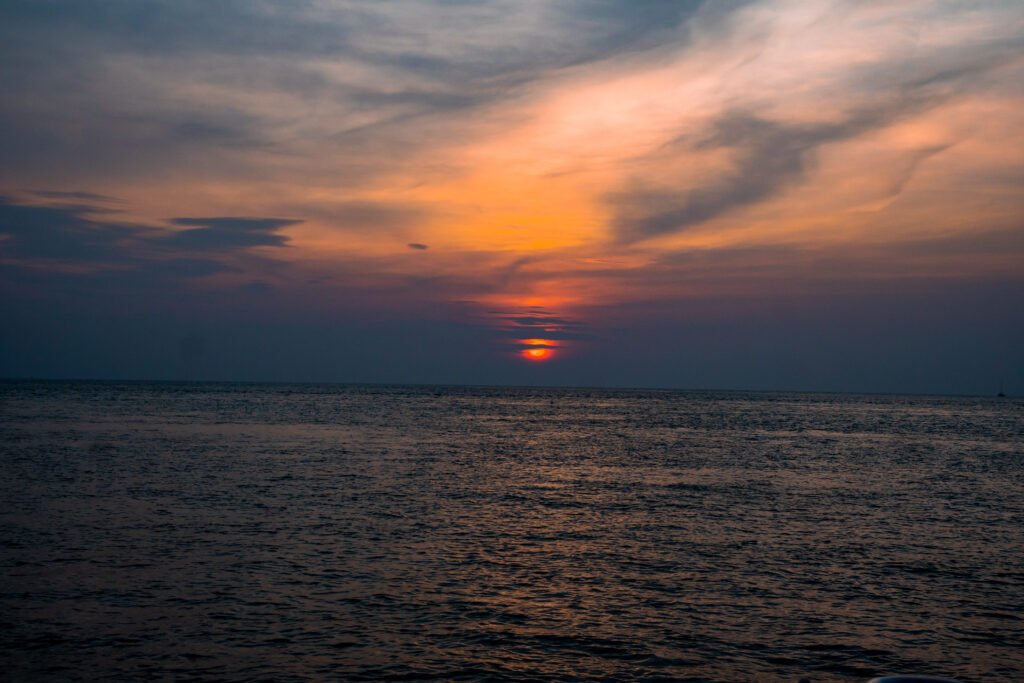
Travel Langkawi: The Paradise Island You Need to Visit Hey fellow travelers! Today I’m taking you to one of Malaysia’s most beautiful islands – Langkawi. Trust me, this place is pure magic, and I’m going to tell you everything you need to know before you pack your bags. What is Langkawi? Langkawi is a cluster of 99 islands located off the northwest coast of Malaysia. The main island, also called Langkawi, is where most tourists stay. Picture this: crystal-clear blue waters, white sandy beaches, lush green rainforests, and dramatic limestone cliffs. The best part? It’s a duty-free island, which means shopping is incredibly cheap! The island has a perfect mix of natural beauty and modern facilities. Whether you’re a budget backpacker or looking for luxury, Langkawi has something for everyone. The locals are friendly, English is widely spoken, and you’ll feel safe exploring around. Watch the journey https://www.youtube.com/watch?v=vcnIwfqRJno Why is Langkawi So Popular? You might wonder – why do millions of tourists flock to this island every year? Here’s why: Duty-Free Shopping: Everything from chocolates to alcohol to cosmetics costs way less here. I stocked up on so much stuff! Stunning Natural Beauty: The beaches are postcard-perfect. I’m talking about the kind of beaches you see in movies. Easy to Reach: Regular flights and ferries connect Langkawi to major cities in Malaysia, Thailand, and Singapore. Adventure and Relaxation: You can go island hopping in the morning and get a spa treatment in the evening. The variety is incredible. Affordable: Compared to other beach destinations in Southeast Asia, Langkawi gives you great value for your money. Family-Friendly: Safe, clean, and with activities for all ages – kids love it here! Things to Do in Langkawi Alright, this is where it gets exciting. Langkawi is packed with activities: Beach Activities Relax at Pantai Cenang: The most popular beach with restaurants, bars, and water sports. Visit Tanjung Rhu Beach: Quieter and more peaceful, perfect for a romantic getaway. Try Pantai Kok: Great for sunset views and watersports. Adventure Time Sky Bridge and Cable Car: Take the cable car up to Mount Mat Cincang. The views are breathtaking! The Sky Bridge is a curved pedestrian bridge suspended 660 meters above sea level. Your hands will sweat, but it’s worth it. Island Hopping Tour: This is a must-do! Visit Pregnant Maiden Island, Beras Basah Island, and Singa Besar Island. You’ll see eagles, swim in the lake, and spot monkeys. Mangrove Tour: Explore the mangrove forests by boat. You’ll see limestone caves, eagles, monkeys, and even crocodiles from a safe distance. Underwater World: One of the largest aquariums in Southeast Asia. Great if you’re traveling with kids or if it’s raining. Cultural Experiences Eagle Square (Dataran Lang): Take photos with the giant eagle statue. It’s become the symbol of Langkawi. Visit Night Markets: Try the Wednesday night market in Kuah or Thursday night market in Padang Matsirat. Real local experience with cheap food! Craft Cultural Complex: Learn about Malaysian culture, see traditional houses, and watch craft-making. Eagle Square, Langkawi Unique Attractions Kilim Geoforest Park: UNESCO-recognized geopark with amazing rock formations. Seven Wells Waterfall: Hike to this beautiful waterfall. The climb is worth it. Crocodile Adventureland: See crocodile shows and get close to these reptiles. Seven Wells Waterfall Best Time to Visit Langkawi Here’s the deal with weather in Langkawi: Peak Season (November to April): This is the dry season. Perfect weather, sunny skies, calm seas. It’s the best time to visit, but expect more tourists and higher prices. Shoulder Season (May and September-October): Still good weather with occasional rain. Fewer crowds, better deals on hotels. This is when I prefer to visit. Monsoon Season (June to August): Heavy rains and rough seas. Some water activities might be canceled. But if you don’t mind rain and want the cheapest prices, this could work. My recommendation: Visit between November and March for the best experience. The weather is perfect, and all activities are running. Foods You Must Try Langkawi’s food scene is amazing! Here are my top picks: Nasi Lemak: Malaysia’s national dish. Coconut rice served with sambal, fried anchovies, peanuts, and egg. Costs around 5-10 RM and fills you up. Laksa: Spicy noodle soup with a rich, coconut-based broth. The Langkawi version is slightly different but equally delicious. Satay: Grilled meat on skewers with peanut sauce. You’ll find satay stalls everywhere, especially at night markets. Fresh Seafood: Being an island, the seafood is super fresh. Try grilled fish, crabs, prawns, and squid at beachside restaurants. Ikan Bakar: Grilled fish marinated in spicy paste and wrapped in banana leaves. So flavorful! Mee Goreng: Fried noodles Malaysian-style. A simple but satisfying meal. Roti Canai: Flaky flatbread served with curry. Perfect for breakfast. Tropical Fruits: Mangosteen, rambutan, durian (if you’re brave!), and fresh coconuts. Where to Eat: Head to Pantai Cenang for beachfront dining, Kuah town for local eateries, or the night markets for the most authentic experience. Don’t skip the street food – that’s where the best flavors are! Getting Around: Transportation in Langkawi Transportation can make or break your trip, so here’s what you need to know: Getting to Langkawi By Air: Langkawi International Airport has flights from Kuala Lumpur (about 1 hour), Penang, Singapore, and some international destinations. By Ferry: Ferries run from Kuala Perlis, Kuala Kedah, and Penang. The ride takes 1-3 hours depending on your starting point. Getting Around the Island Rent a Car: This is my top recommendation. Cars cost around 80-150 RM per day. The roads are good, traffic is light, and you can explore at your own pace. You’ll need an international driving permit. Rent a Motorcycle/Scooter: Costs 30-50 RM per day. Great for solo travelers or couples. Just wear a helmet and drive carefully! Taxi/Grab: Available but can be expensive. Taxis don’t use meters, so agree on the price before getting in. Grab (like Uber) is more reliable for pricing. Rental Bicycle: Good for exploring your immediate area, but Langkawi is quite spread out, so this is limiting. Organized Tours:
Kuala Lumpur Travel Guide
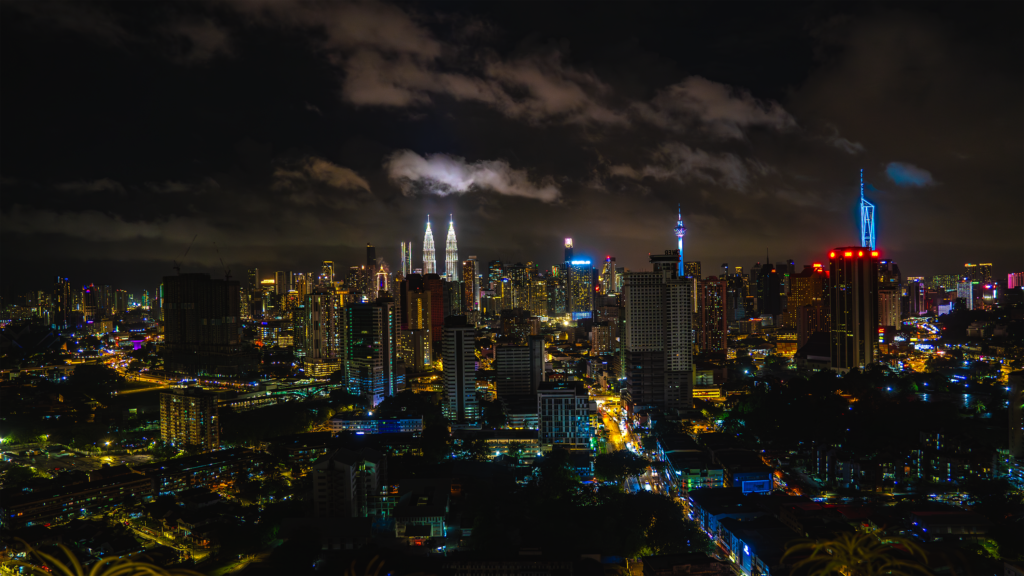
Travel Kuala Lumpur Travel Guide: Everything You Need to Know Overview Kuala Lumpur, or KL as locals call it, is the capital city of Malaysia. It’s a big, busy city with tall buildings, old temples, and lots of shopping malls. The city mixes modern life with traditional culture. You’ll see the famous Petronas Twin Towers next to 100-year-old temples. It’s a great place for first-time visitors because people are friendly, food is cheap, and there’s so much to see. Petronas Tower, Kuala Lumpur, Malaysia An Iconic View: The Petronas Twin Towers https://www.youtube.com/watch?v=RAC5YUert3Y Things to Consider Before You Go Money: Malaysia uses Ringgit (MYR). One US dollar is about 4-5 Ringgit. The city is cheap compared to other big cities. A good meal costs about 10-20 Ringgit. Visa: Many countries can enter Malaysia without a visa for 30-90 days. Check your country’s rules before you book. Culture: Malaysia is a Muslim country. Dress modestly when visiting religious places. Cover your shoulders and knees. Safety: KL is safe for tourists. But watch your bags in crowded places. Don’t flash expensive things. Internet: WiFi is everywhere – hotels, cafes, and malls have free internet. The National Museum of Malaysia Weather KL is hot and humid all year. The temperature stays around 30-33°C (86-91°F). There are two main seasons: Dry season: May to July and December to February Rainy season: March to April and September to November Even in rainy season, it usually rains for 1-2 hours in the afternoon, then stops. Bring an umbrella any time you visit. Transportation Getting around KL is easy and cheap. From the Airport: KLIA Ekspres train: Fast train to city center (28 minutes, about 55 Ringgit) Airport bus: Cheaper option (1 hour, about 10 Ringgit) Taxi or Grab: About 70-100 Ringgit In the City: Grab app: Like Uber. Very cheap and easy. Download this app! LRT/MRT trains: Clean, air-conditioned, and cheap (2-5 Ringgit per trip) Monorail: Goes to shopping areas Buses: Cheap but can be confusing for tourists Walking: Some areas are walkable, but it’s very hot Tip: Get a Touch ‘n Go card. You can use it on all trains and buses. Rapidkl Lrt Line, Kuala Lumpur, Malaysia Things to Do Visit the Petronas Twin Towers The famous twin towers are 452 meters tall. You can go up to the sky bridge and observation deck. Book tickets online before you go. It costs about 85 Ringgit. Explore Batu Caves These are huge caves with a Hindu temple inside. There are 272 colorful steps to climb. Free to enter. Go early in the morning before it gets too hot. Watch out for cheeky monkeys! Walk Around Chinatown Petaling Street is the main area. You’ll find fake bags, cheap clothes, and street food. Practice your bargaining skills here. See the Petronas Towers Light Show Every night, there’s a free fountain show with lights and music at KLCC Park. It’s beautiful and free. Visit a Shopping Mall KL loves shopping malls. They’re huge and have everything. The malls are also great to escape the heat. Try Pavilion, Suria KLCC, or Berjaya Times Square. Relax in KLCC Park This park is right below the Petronas Towers. Nice for walking, jogging, or just sitting. There’s a playground for kids and a man-made lake. Try the KL Tower If you want another view of the city, go up the KL Tower. Some people say the view is better than Petronas Towers. KL Tower, Kuala Lumpur, Malaysia Popular Destinations Bukit Bintang: The main shopping and entertainment area. Lots of malls, restaurants, and bars. KLCC: Where the Petronas Towers are. Modern area with parks and high-end shopping. Merdeka Square: Historical area with colonial buildings. The Malaysian flag was first raised here. Little India: Colorful area with Indian shops, temples, and restaurants. Great for buying saris and spices. KL Sentral: The main transportation hub. Good base to stay because trains go everywhere from here. Bukit Nanas Forest: A small rainforest in the middle of the city. Free walking trails and you might see monkeys. Merdeka Square, Kuala Lumpur, Malaysia Language Spoken The main language is Malay (Bahasa Malaysia). But don’t worry! Most people speak English, especially in tourist areas. Useful Malay words: Hello: Selamat (se-la-mat) Thank you: Terima kasih (te-ri-ma ka-seh) How much?: Berapa? (be-ra-pa) Delicious: Sedap (se-dap) Yes: Ya No: Tidak Chinese and Tamil are also spoken because Malaysia has many different cultures. Popular Food to Try Food in KL is amazing and cheap. Here’s what you must eat: Nasi Lemak: Malaysia’s national dish. Rice cooked in coconut milk with egg, peanuts, cucumber, and spicy sambal sauce. Perfect for breakfast. Costs 5-10 Ringgit. Roti Canai: Flat, crispy bread served with curry sauce. Great for breakfast or snack. About 2-3 Ringgit. Satay: Grilled meat on sticks with peanut sauce. You’ll find this everywhere. Char Kway Teow: Fried noodles with prawns, eggs, and bean sprouts. So tasty! Laksa: Spicy noodle soup. Each region makes it differently. Try Penang laksa or curry laksa. Teh Tarik: “Pulled tea” – sweet milk tea. Malaysia’s favorite drink. Bak Kut Teh: Pork rib soup with herbs. Popular for breakfast. Durian: The “king of fruits”. It smells terrible but locals love it. Try once if you’re brave! Cendol: Sweet dessert with shaved ice, coconut milk, and green jelly. Perfect for hot days. Where to Eat: Jalan Alor: Famous food street in Bukit Bintang. Open at night. Lot 10 Hutong: Food court with best local food in one place Mamak stalls: Indian-Muslim restaurants. Open 24 hours, very cheap Hawker centers: Local food courts everywhere Jalan Alor, Bukit Bintang, Malaysia Best Time to Visit Best months: December to February and June to August Less rain Many festivals and events School holidays (so more crowded) Good months: March to May, September to November More rain but still okay Fewer tourists Better hotel prices Avoid if possible: October to November Heavy rain season Some flooding possible Special times: Chinese New Year (January/February): City is decorated with red lanterns. Some shops close. Hari Raya (dates