What to Eat in Sibu: Kampua Mee, Kompia and Other Local Favourites
I flew from KL to Sibu for the food. I came back with a lot more than that — a friend's family, a shy ten-year-old with too many cats, and a Sunday lunch I still think about.
By Travel Treat Together14 April 20246 min read
Table of Contents
When was the last time you visited a place simply because someone you know lives there?
Not because it was on a list. Not because the photos looked good. Just because a friend said, “Come over.”
That is how I ended up in Sibu.
I live in KL. A close friend of mine lives in Sibu, in Sarawak, with her parents, while her daughter goes to school there. I had heard the name of the town for years without ever really thinking about it. When the chance to visit came, I took it.
And it turned out to be one of the best kinds of trips — the kind where you do not just see a place. You get introduced to it.
Why I Went to Sibu (It Started With a Friend)
Most people fly to Sarawak for Kuching. I flew to Sibu, and not because of a travel article. I went because a friend lives there.
Honestly, that is the best way to see a place in Malaysia — not through a checklist of tourist spots, but through someone who actually lives there. My friend did the introductions. Her family, the aunties, the neighbours, the coffee shop uncle who already knows her usual order. Within a day I was not a visitor anymore. I was just someone sitting at the table.
That is what this Sibu food guide is really about.
KL to Sibu: A Short Flight Into a Slower Town
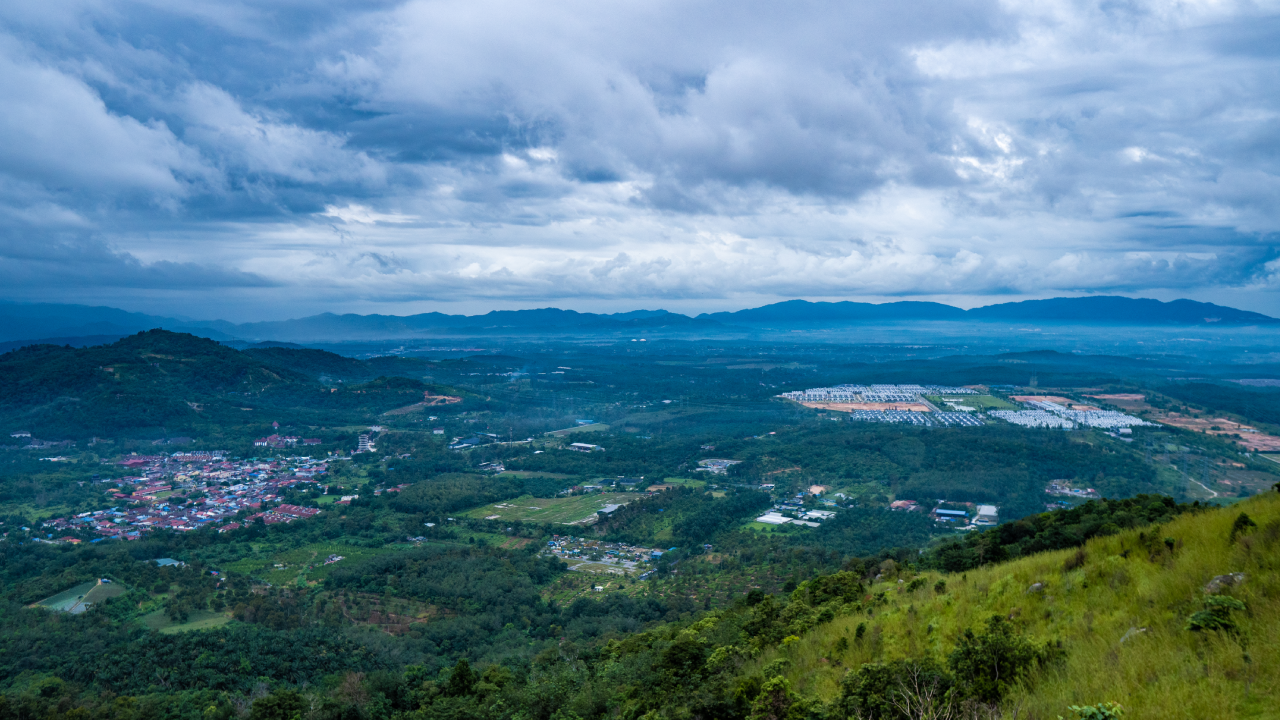
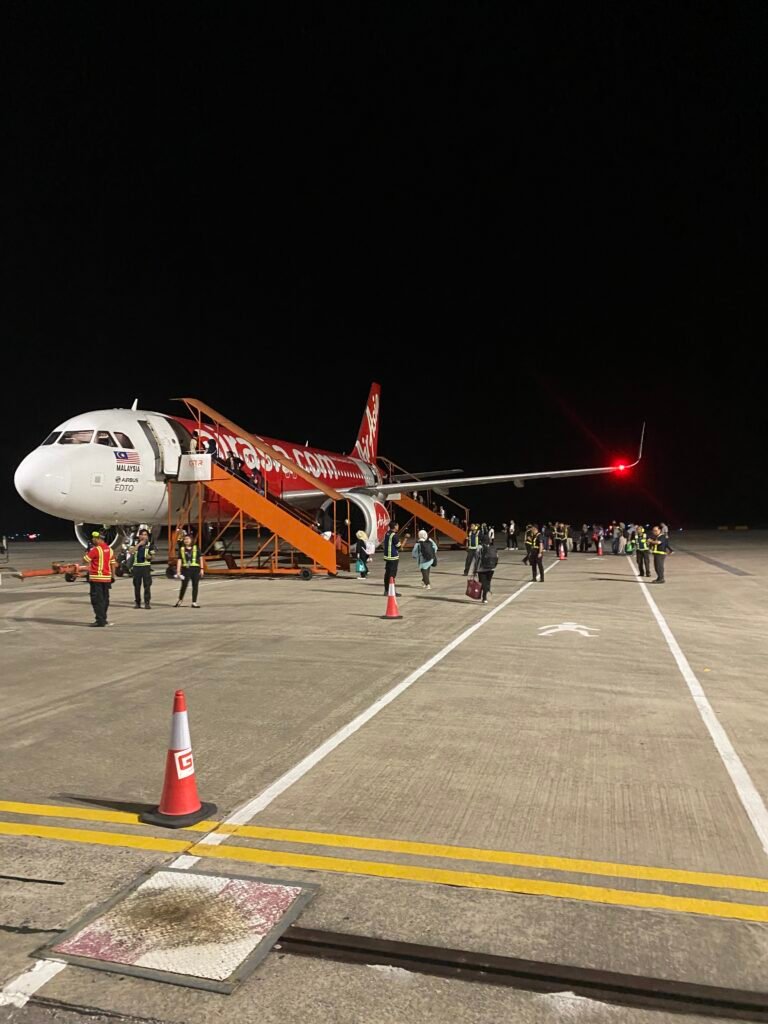
The flight from Kuala Lumpur to Sibu takes roughly two to two and a half hours. That is it. You leave the rush of KL and land in a town where things move at their own pace.
Some people call Sibu slow. Some even call it boring. I get it — there is no mega mall, no big attraction, nothing loud calling for your attention.
But I liked it. After KL traffic, KL crowds and KL hurry, Sibu felt like a deep breath.
The roads are not busy. Getting from one place to another takes minutes, not an hour. You can have breakfast in town, walk to the market, visit a museum and still be back for a nap. For a weekend trip from KL, that is exactly the point.
Touching down in Sibu after a short flight from KL.
The First Evening: Meeting My Friend's Family
We had dinner together on the first night. That is when my friend started explaining what Sibu food actually is.
She told me something I did not know: there are foods here you will only find in Sibu. Not in KL, and not really in the rest of Sarawak in the same way. The Foochow community brought them here generations ago, and the town kept them.
I should be honest — I don’t eat everything. A lot of traditional Foochow food is pork-based, so I picked and chose. But even if you skip a dish, knowing why it exists is its own kind of enjoyment. You are not just eating. You are reading a hundred years of history off a plate.
I also met my friend’s daughter. She is about ten or eleven years old. Very shy, and a little hesitant to speak English with me — which is completely fair, because my Foochow is zero.
She is clearly the head of a small cat empire. There are cats everywhere around the house, and she is the one who feeds them, checks on them, and generally stays busy looking after them. Watching a kid be that gentle and that responsible at the same time was one of my favourite parts of the trip.
The weather behaved too. Not too hot, not too wet — just the kind of ordinary good weather that makes walking around a small town a pleasure.
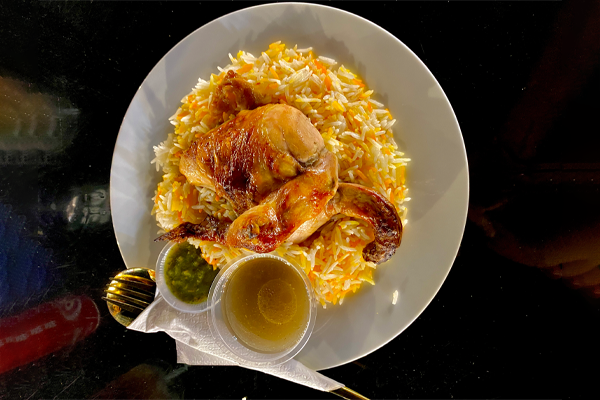
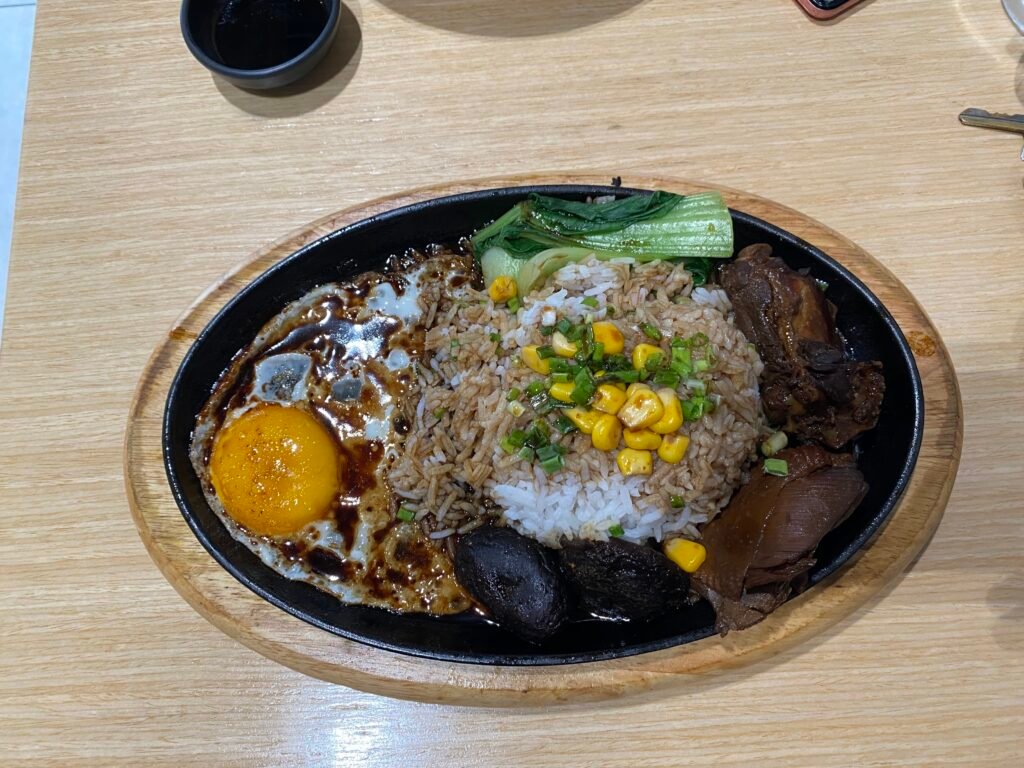
One of our dinners in Sibu.
Kampua Mee: The Breakfast Sibu Runs On
If you eat one thing in Sibu, make it kampua mee.
It looks simple. Thin egg noodles, tossed in fragrant shallot oil and a little soy, topped with slices of char siu or minced pork, with a small bowl of clear soup on the side. That is the whole dish.
But that is also the beauty of it. Kampua mee is plainer and less sweet than Kuching’s famous kolo mee. It is not trying to impress you with sauce. It is about the noodle, the oil and the balance. A plate at a normal kopitiam costs around RM5 to RM8, and locals eat it for breakfast, not dinner.
A few things I learned:
Order it dry (“kampua kosong” style) if you want to taste the noodle itself.
Have the soup on the side. It is light, and it resets your mouth between bites.
Halal versions exist, usually with chicken instead of pork — just ask around, especially at Malay-run coffee shops.
Expect it plain. That is the point. Sibu is not trying to shout.
Go early. Most kampua stalls open around 6am and start slowing down after lunch. Sibu is a breakfast town — if you sleep in, you miss the good part.
Kampua mee is the answer whenever someone asks, “What is the food in Sibu?” Start here.
Kompia: The "Foochow Bagel" You Should Not Skip
Then there is kompia.
Kompia is a small round Foochow bun with sesame on top, traditionally slapped onto the wall of a wood-fired oven and baked until the base is crisp and the inside is chewy. Some are plain. Some are split and stuffed with minced pork.
People call it the “Foochow bagel,” which undersells it. A good kompia is crisp at the bottom, soft in the middle, and just salty enough that you want another one. They are cheap — often around RM1 to RM2 each — and they are the perfect thing to carry around while you walk the town.
If you see a stall baking them fresh, stop. The smell alone will tell you it is worth it.
More Foochow Dishes Worth Knowing
Once you have done kampua and kompia, this is the next layer of Foochow food in Sibu.
Dish
What it is
When to eat it
Kampua mee
Dry-tossed egg noodles with shallot oil, soy and char siu
Breakfast, early lunch
Kompia
Wood-fired sesame bun, plain or filled with minced pork
Anytime, as a snack
Bien nuik
Sibu’s version of wantons — thin skin, small, delicate
Breakfast or as a side
Mee sua
Very thin wheat noodles in a ginger and rice wine broth
Cold mornings, celebrations
Dian bian hu
Hand-torn flat noodle pieces in a light savoury soup
Breakfast, light lunch
Red rice wine chicken
Chicken cooked with Foochow red wine, warming and slightly sweet
Family meals, festive days
Tomato kuey teow
Flat rice noodles fried with tomato sauce and pork
Lunch or dinner at coffee shops
The red wine one surprised me. Foochow red rice wine shows up everywhere in this cuisine — in soups, in chicken, in celebration dishes. It is one of those flavours that tells you exactly whose kitchen you are standing in.
Sarawak Classics You'll Also Find in Sibu
Sibu is a Foochow town, but it is still Sarawak. So the wider Sarawak hits are easy to find here too.
Sarawak laksa — spicy, tangy, coconut-touched broth with sambal belacan. The state’s most famous breakfast.
Midin — a jungle fern that grows in Borneo, usually stir-fried with garlic and belacan. Crunchy, green, and genuinely hard to find outside Sarawak.
Umai — raw fish with lime, onion and chilli. The Melanau classic, and very refreshing in hot weather.
Ayam pansuh — chicken cooked in bamboo over a fire. More of a longhouse thing, but worth asking about.
Teh C special — the famous Sarawak three-layer tea. Order it once for the photo and once for the taste.
Fruits You Mostly Find in Sibu (and Around It)
This was my friend’s proudest point, and she was right. Sibu sits in the middle of Sarawak’s fruit country, and the market shows it.
Dabai — the Sarawak olive. Black, shiny, olive-shaped. You cannot eat it raw: soak it in warm water for 10 to 20 minutes until the flesh softens, then eat it with a bit of salt, sugar or soy sauce. The taste sits somewhere between avocado and olive — creamy, buttery, a little smoky. It also goes into dabai fried rice, a Sarawak classic. Shelf life is only a couple of days, which is exactly why you almost never see it in KL.
Terung Dayak — a small, round, slightly bitter wild eggplant from Borneo, usually served raw or lightly blanched with sambal.
Buah pakan and other jungle durians — including varieties with orange and deep red flesh you will not see in Peninsular Malaysia.
Cempedak, langsat and seasonal durian — when the fruit season hits, the whole town smells like it.
If you want to understand why Sarawakians are so casual about incredible fruit, stand at a fruit stall in Sibu for ten minutes.
Sibu Central Market: The Largest Indoor Market in Malaysia
We went to the wet market, and it was one of the highlights of the trip.
Sibu Central Market is often called the largest covered market in Malaysia, and it makes sense the moment you walk in. Downstairs is the wet section: seafood, live poultry, meat, jungle vegetables, herbs, and a fruit section that will stop you in your tracks. Upstairs is dry goods, clothes, local cakes, and a big food court.
Go early. Most stalls start winding down by early afternoon, and the market is at its best in the morning when the produce is just in. Bring cash, bring small notes, and do not be shy about asking what something is — most traders are happy to explain, and sometimes to let you taste.
Even if you buy nothing, walk through it. This is where the town’s food actually begins.
Sibu Heritage Centre: Where the Food Starts to Make Sense
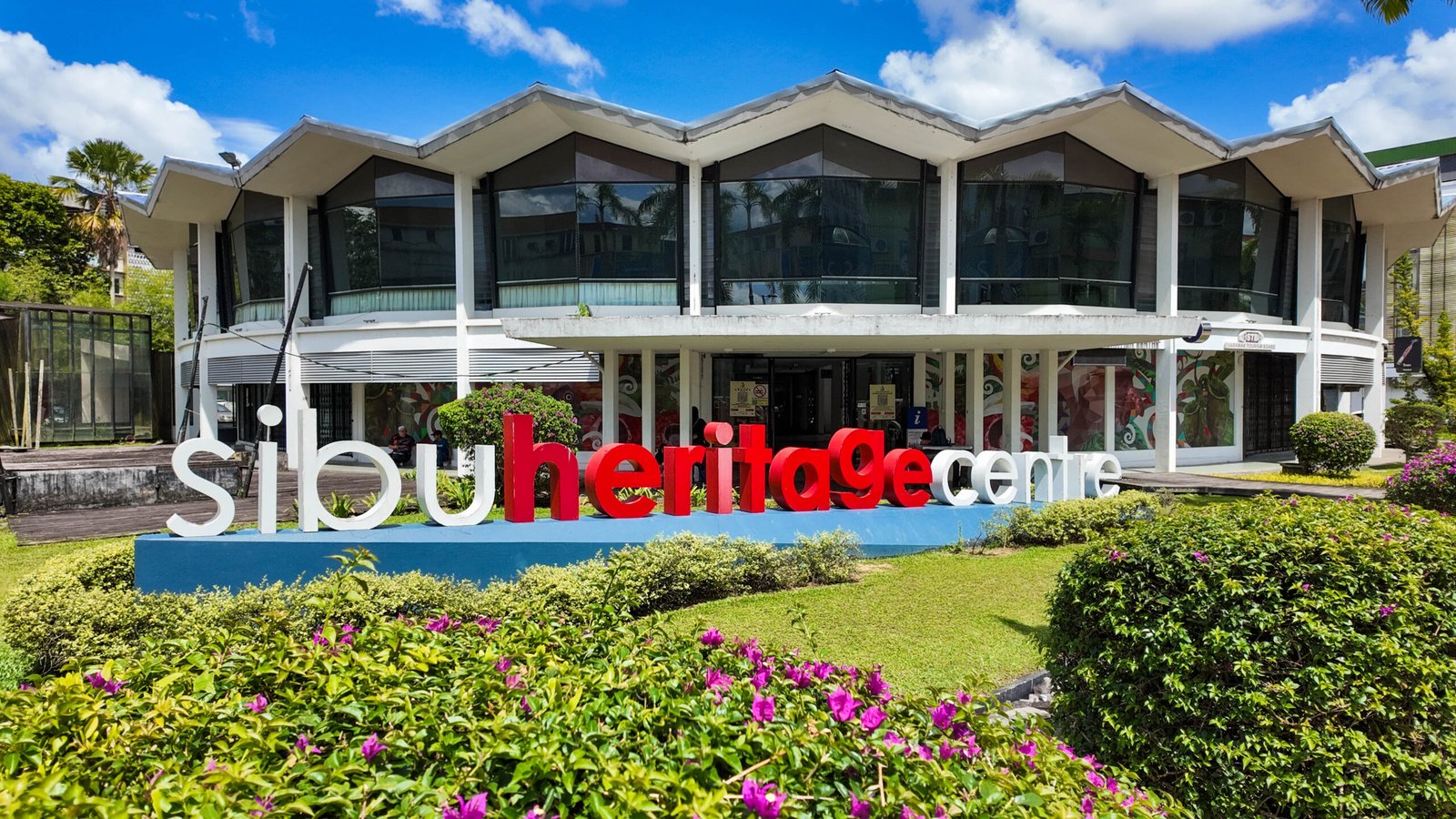
After the market, we went to the Sibu Heritage Centre, and I am glad we did it in that order.
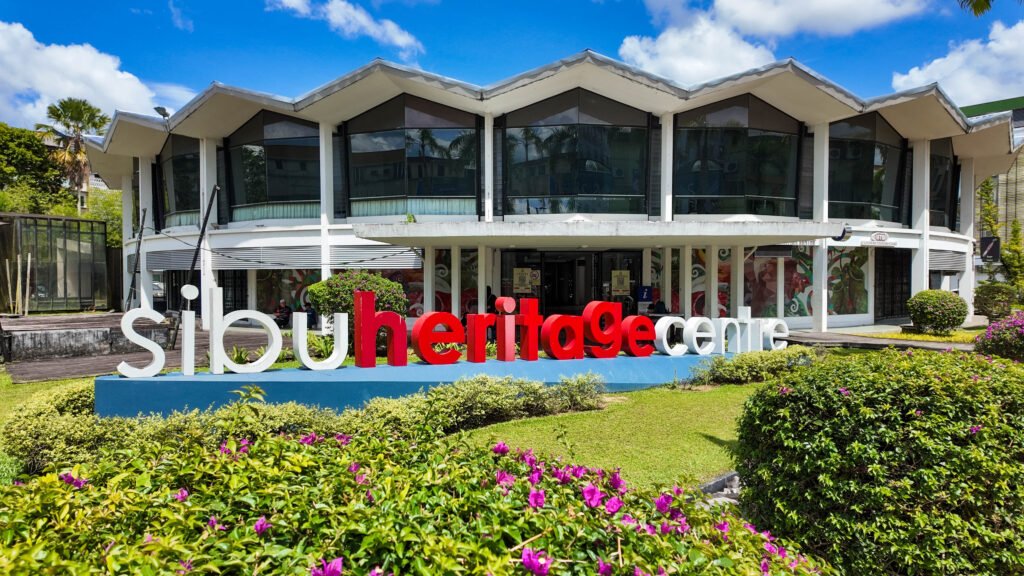
The centre sits in a restored 1960s circular building on Jalan Central, just a couple of kilometres from the town centre. Entry is free, it opens from around 9am to 5pm, Tuesday to Sunday (closed on Mondays and major public holidays), and an hour is enough to go through it properly.
Inside, you get the story of how the Foochow community came to Sibu, the role of the Methodist missionaries, the old schools, the Japanese Occupation, the great fires, and the mix of Iban, Melanau, Malay and Chinese communities that built the town.
Suddenly the food is not just food. The kampua makes sense. The red rice wine makes sense. The kompia in a wood-fired oven makes sense. If you have time for only one non-food stop in Sibu, make it this one.
Sibu Heritage Centre: a hundred years of Foochow history, and free to enter.
Sunday Lunch With the Family: The Best Meal of the Trip
On our last day, before the flight back, we had one more thing to do.
My friend had told me that Sunday is family day in her house. Everyone comes together for lunch or dinner — parents, siblings, aunties, kids, whoever is around. It is not a special occasion. It is just what Sundays are.
So we had lunch with the whole family before heading to the airport.
That meal was better than anything I could have ordered from a menu. Not because the food was fancy, but because of what was happening around it. People talking over each other. Someone telling a child to eat more. Aunties asking questions and answering their own. Plates being pushed towards you without asking.
You can eat kampua mee anywhere in Sibu. You cannot buy a Sunday lunch like that.
And it reminded me why travelling with a local beats any itinerary.
Practical Tips for a First Sibu Trip
Getting there: Direct flights from KL take about 2 to 2.5 hours. Sibu Airport is roughly 20 to 25 minutes from town.
Getting around: Roads are quiet and the town is compact. A car or Grab covers most needs, and you can walk the centre comfortably.
Best time to visit: Any time, but fruit season — roughly the later part of the year into the early part of the next — is when dabai and durian show up properly.
Eat early: Sibu is a breakfast town. Kampua and kompia stalls are at their best before noon.
Dietary notes: Traditional Foochow food leans heavily on pork and lard. Halal and no-pork options exist — Malay coffee shops, halal kampua, chicken and beef dishes — but you may need to ask.
Bring cash: Small stalls and market traders prefer it.
Do not over-plan: Sibu is not a place you rush. Two or three days is plenty, and the good parts are the unplanned ones.
Visit the night market if you have an evening free. It is where the town eats after dark.
More to do: For the Rejang waterfront, Tua Pek Kong pagoda, the boat trip to Kapit and getting around, read our Sibu Travel Guide →
FAQ: Sibu Food and Travel
What food is Sibu famous for?
Kampua mee and kompia. Both come from the Foochow community and both are at their best in the morning.
Is kampua mee the same as kolo mee?
No. Kolo mee is Kuching’s version and tends to be sweeter and more heavily seasoned. Kampua mee is plainer, with more focus on shallot oil and the noodle itself.
What is dabai and how do you eat it?
Dabai is the Sarawak olive — a seasonal black fruit with creamy flesh. Soak it in warm water until soft, then eat it with salt, sugar or soy sauce, or try it as dabai fried rice.
How many days do you need in Sibu?
Two to three days is comfortable. One full day covers the food highlights and the town, and the extra days let you slow down and eat properly.
Is Sibu worth visiting from KL?
Yes, especially for a short weekend. It is a short flight, cheap once you are there, and it shows a side of Sarawak — the Foochow river-town side — that Kuching does not.
Is Sibu Heritage Centre free?
Yes. Entry is free and it is open Tuesday to Sunday.
Final Thoughts: Come for the Food, Stay for the People
I came to Sibu because a friend invited me. I ate kampua mee. I learned what kompia is. I stood in a wet market staring at fruits I had no name for, and I stood in a small museum understanding why the town tastes the way it does.
But the thing I keep thinking about is a Sunday lunch table, a shy ten-year-old looking after her cats, and a town that does not perform for visitors.
Sibu will not shout at you. It is a simple, slow, working river town on the Rajang, and it is fine with that. Sit down, order a plate of kampua, and let someone explain where it came from. That is the whole trip.
And if you are lucky, you will know someone there.
So — who is the friend whose hometown you still have not visited? Tell us in the comments. We read every one.
About Us
We’re three friends who met in Malaysia and turned our love for travel and food into Travel Treat Together. Full-time professionals who never quit our jobs — just found a way to make every trip count.
Travel Treat Together is a travel blog for working professionals who want to see the world without quitting their jobs. Explore destination guides, itineraries and stories from across Asia and beyond.