The Fog, the Lanterns and the Drone I Left Behind in Vietnam
A Chinese New Year escape from Malaysia that taught me travel was never about the plan — it was always about the process.
By Travel Treat Together14 April 20246 min read
Table of Contents
I’ve lived in Malaysia for ten years now.
Ten years of waking up to humidity, of nasi lemak for breakfast, of knowing exactly which mamak stall makes the best teh tarik at 2 AM. Malaysia is home. It truly is.
But there’s something about living in Southeast Asia that quietly spoils you. Thailand is right there. Singapore is a bus ride away. Indonesia, the Philippines, Vietnam — all sitting next door like neighbours you keep meaning to visit but never quite get around to.
Every year, when Chinese New Year rolls around and the holidays finally stretch out long enough to breathe, I sit down and ask myself the same question.
Where to this time?
I check the flights. I check the budget. I check the weather. And then I stop overthinking and just pick one.
This year, it was Vietnam.
And I had no idea how much this trip would stay with me — not because everything went perfectly, but because almost nothing did.
Arriving in Hanoi: When the Plan Starts Dissolving
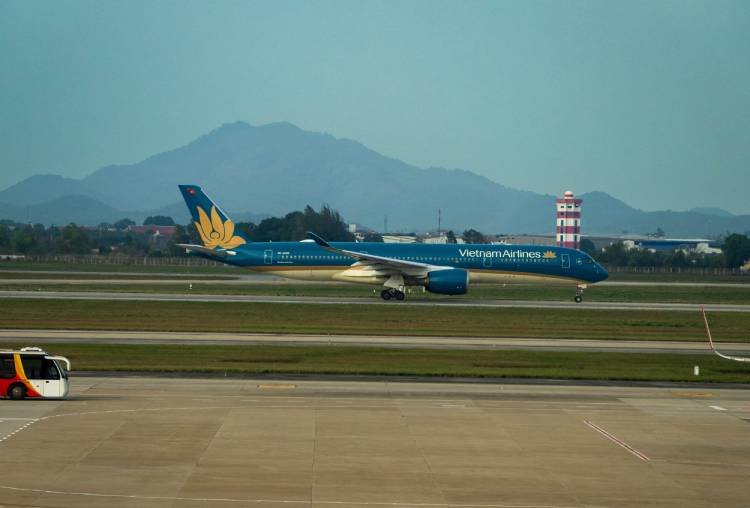
Touching down in Hanoi, with the mountains already in view.
We landed in Hanoi in the evening, my friend and I, with a plan that sounded simple on paper.
Explore the city a little. Catch a night bus to Sapa. Wake up in the mountains.
But here’s the thing nobody tells you about arriving in a new country — the moment your feet hit the ground, the plan starts dissolving. Taxis aren’t where the app says they should be. The pickup point is confusing. The traffic is a beautiful, terrifying river of motorbikes that never stops flowing. Everything feels slightly chaotic and entirely alive.
I’ve learned to stop fighting this part of travel. The chaos is the experience.
Before our bus, we managed a quick ride on Hanoi’s hop-on hop-off bus. It was ridiculously cheap, and sitting on the open top deck with the cool evening air brushing against my face, watching this ancient city blur past in shades of yellow and green — I remember thinking, this is why I do this.
Not for the itinerary. Not for the checklist.
For the feeling of being somewhere completely new, with no idea what tomorrow looks like.
You can plan every hour of your trip. But the moment you land, the city has its own plans for you.
Sapa, Wrapped in Fog
The night bus to Sapa was long and bumpy and surprisingly comfortable in that strange way overnight buses in Southeast Asia always are.
When we arrived, the first thing I noticed was the temperature. Maybe 15 or 16 degrees Celsius. After a decade of Malaysia’s relentless heat, the cold air felt like a gift. I could see my breath. I could feel my cheeks turning pink. I was genuinely happy.
Sapa was wrapped in fog.
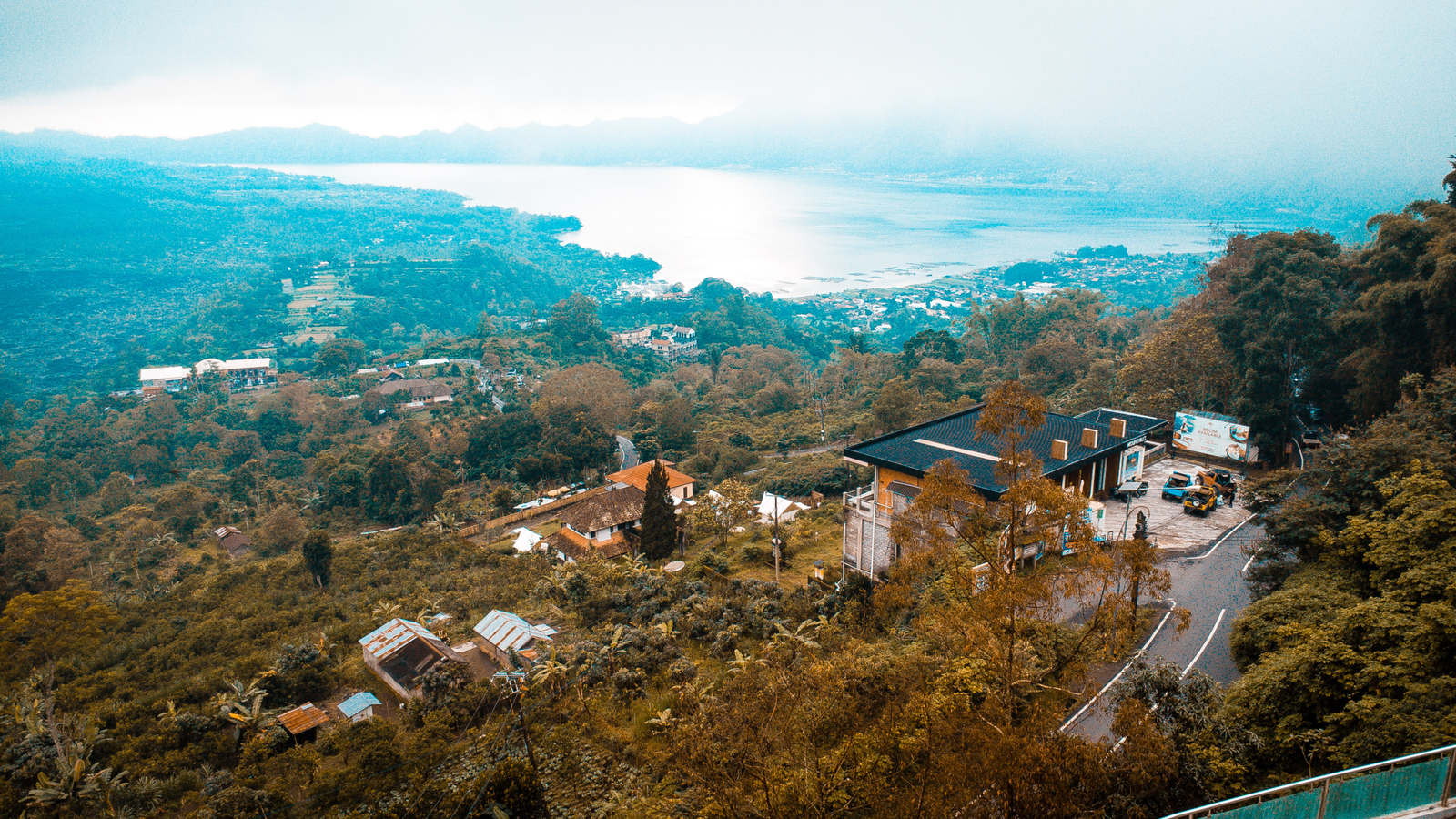
Thick, soft, cinematic fog that rolled through the valleys and swallowed the mountains whole. The rice terraces I’d seen in photos were barely visible, hidden behind layers of mist. It was moody and mysterious and absolutely nothing like the postcard images I’d saved on my phone.
And I loved it more because of that.
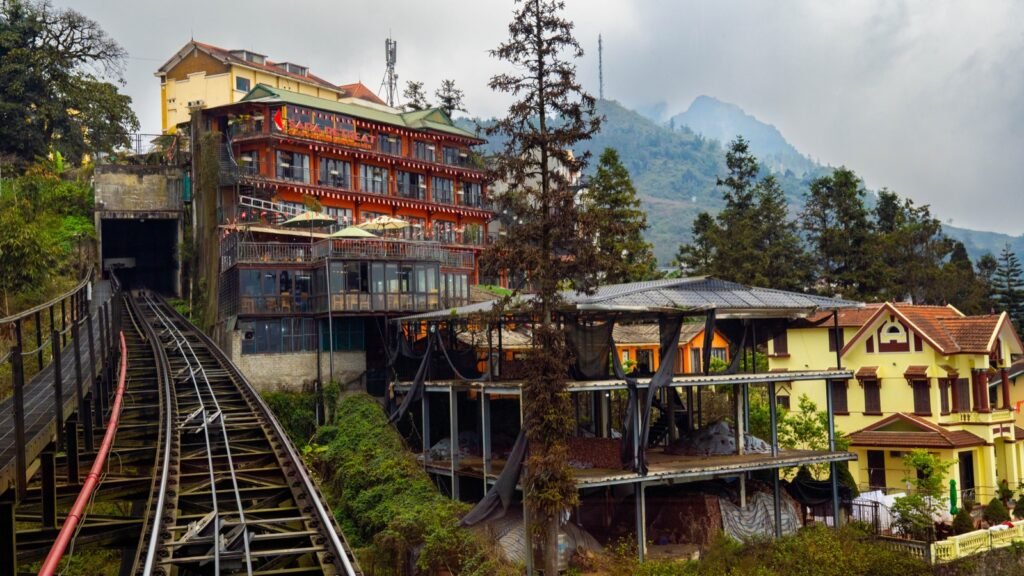
Sapa: misty peaks, old buildings and the mountain railway.
Above the Clouds: Fansipan, Villages and Swings
We didn’t have much time — just one night — but we filled it with everything we could.
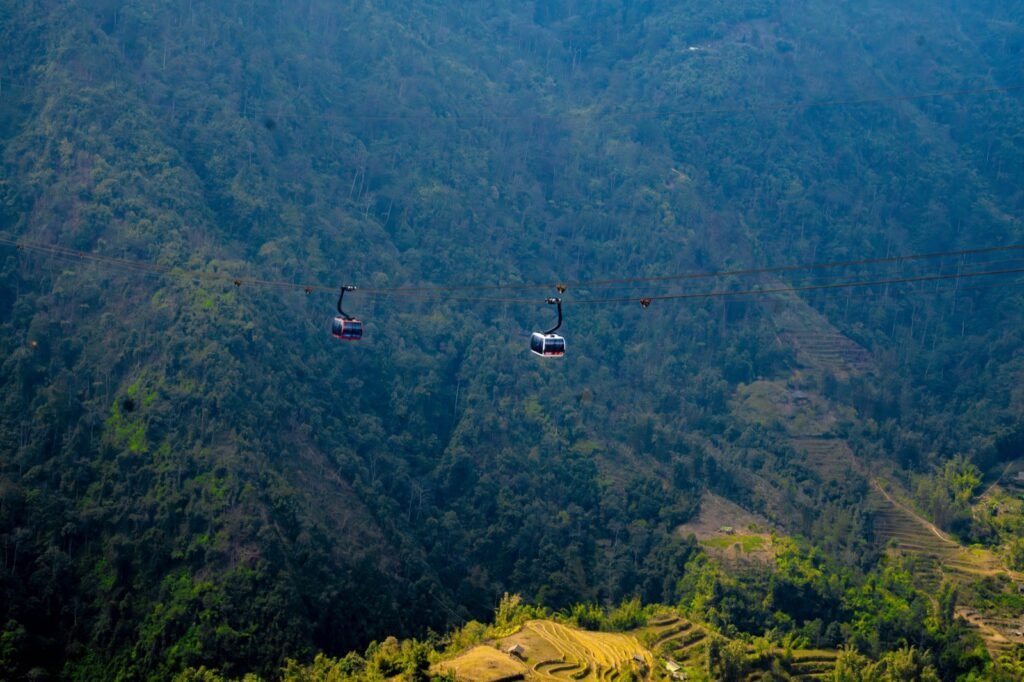
We rode the Fansipan cable car, which is, if I’m not wrong, the highest in all of Asia. The ride takes you above the clouds, above the fog, to a peak so close to the Chinese border that you can almost feel the shift in the air. Standing up there, surrounded by nothing but sky and silence, I forgot about the cold. I forgot about the schedule. I just stood there.
Cable cars gliding over the green valleys near Sapa.
We wandered through the local villages, where the ethnic minority communities live in ways that feel untouched by the rush of the modern world. We found those Instagram-famous cafés with the mountain-view swings — yes, we took the photos, and yes, they were worth it. We visited a quiet little spot called Fancy Pond Park that most tourists skip but we genuinely enjoyed.
But the thing I wanted to do most in Sapa was fly my drone.
And that’s where the story takes a turn.
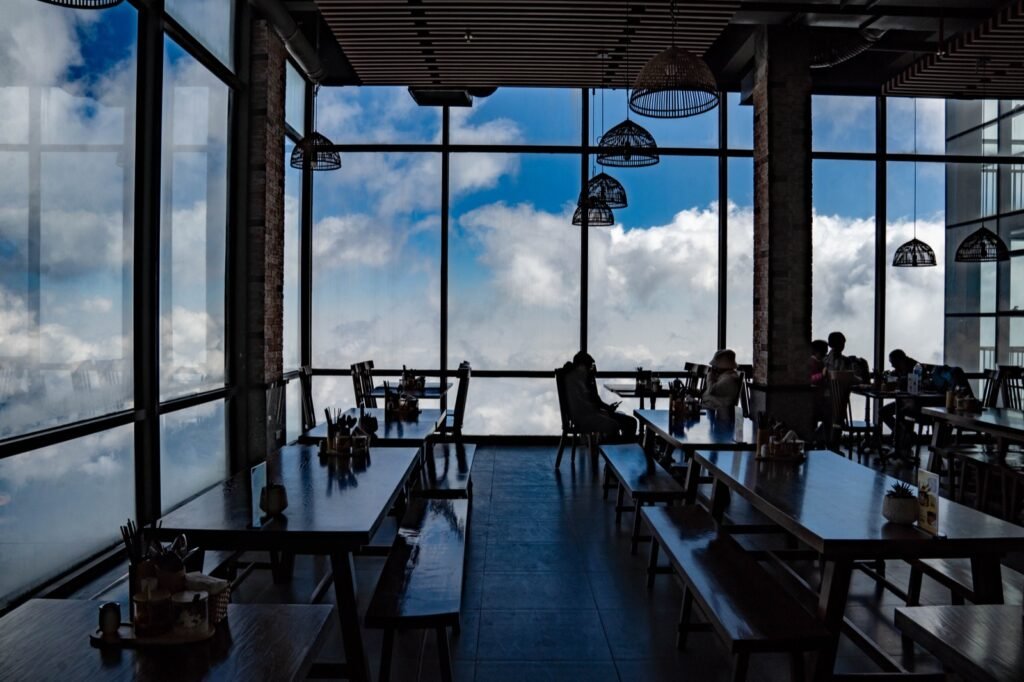
A café table with nothing but clouds outside the window.
The Drone I Left Behind
I carry a small DJI Mini with me on almost every trip. It’s worth about $500, but honestly, its value to me is far more than that. It holds angles I can’t see with my eyes. It captures the scale of mountains, the curve of rivers, the tiny details of a village from above that you’d never notice from the ground.
Right before we were about to leave Sapa, I thought, let me just get one more shot.
The fog was thick. The wind was unpredictable. I knew the conditions weren’t ideal, but I’d flown in worse. I launched it. I watched it climb. And then —
Connection lost.
The screen went grey. The controller went silent. And somewhere in those fog-covered mountains of northern Vietnam, my drone simply disappeared.
I stood there for a while, staring at the sky, hoping it would come back. It didn’t.
It’s always about the process. The risk, the calculation, the shot you see with your own eyes before the drone ever leaves your hand. That’s what makes every moment beautiful — not the footage, but the feeling.
Was I upset? Of course. Every drone pilot knows that hollow feeling in your stomach when the signal drops and you realize you’ve miscalculated.
I thought about all the shots I’d lost. The footage I’d never edit. The memories that existed only in my head now, not on a memory card.
But then I reminded myself of something I’ve believed for a long time.
Travel is not about the perfect outcome. It’s about the process. The act of standing on a mountain, calculating the wind, pressing the launch button, watching your tiny machine disappear into the clouds — that is the experience. The footage is just a souvenir. The feeling is the real thing.
I lost a drone. I didn’t lose the moment.
And honestly? That fog, that wind, that split second of panic — I’ll remember those longer than any aerial shot.
Hoi An: A City That Wakes Up at Night
From Sapa, we made our way back to Hanoi and caught a flight down to Da Nang, then a short ride to Hoi An.
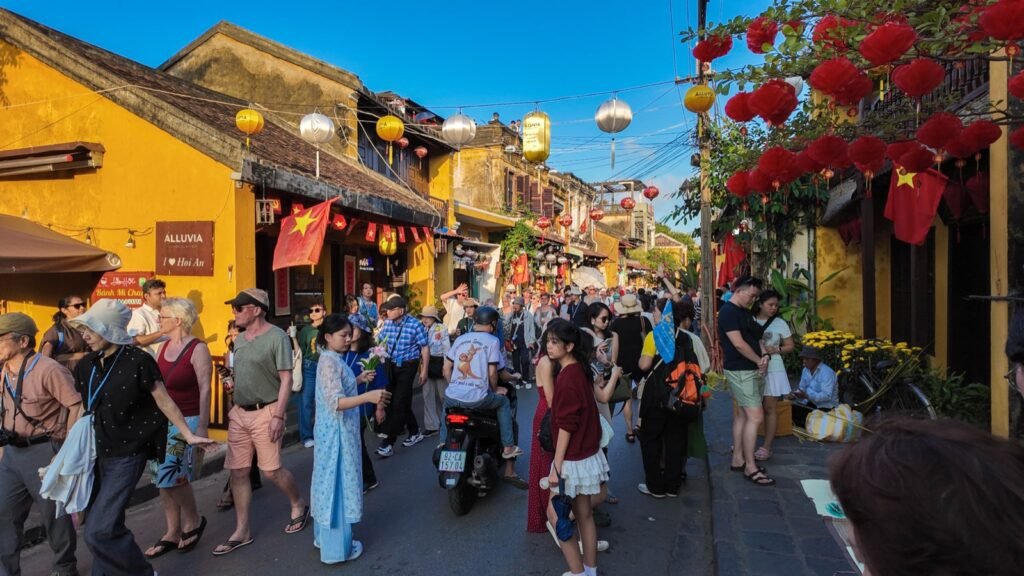
I’ll be honest with you. When we first arrived in Hoi An during the day, I was underwhelmed. The streets were quiet. Many shops were closed because of the Chinese New Year celebrations — or Tết, as the Vietnamese call it. The ancient town felt sleepy, almost empty, and I remember wondering if we’d made a mistake coming here.
Hoi An Ancient Town, dressed in lanterns and flags for Tết.
Then the sun went down.
And Hoi An became a completely different city.
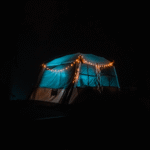
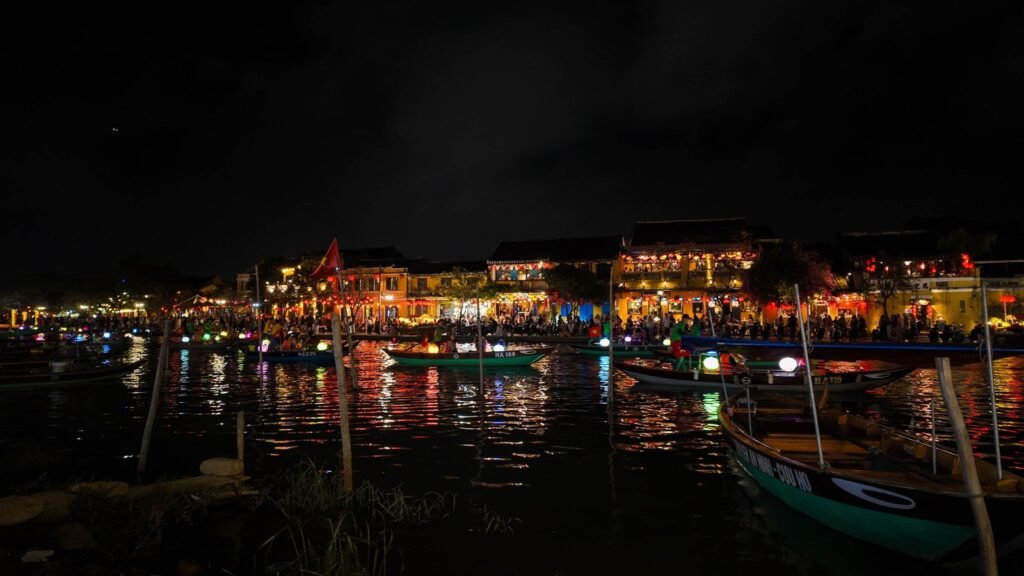
Thousands of silk lanterns — red, gold, green, purple — lit up every street, every bridge, every doorway. The Thu Bon River reflected all of it, doubling the glow. Music drifted from open cafés. The crowds came alive. The energy shifted so dramatically that I genuinely stood still for a moment, just taking it in.
It was like watching a city wake up.
After sunset, the whole riverfront starts to glow.
A Candle on the Thu Bon River
The most beautiful thing we did in Hoi An was also the simplest.
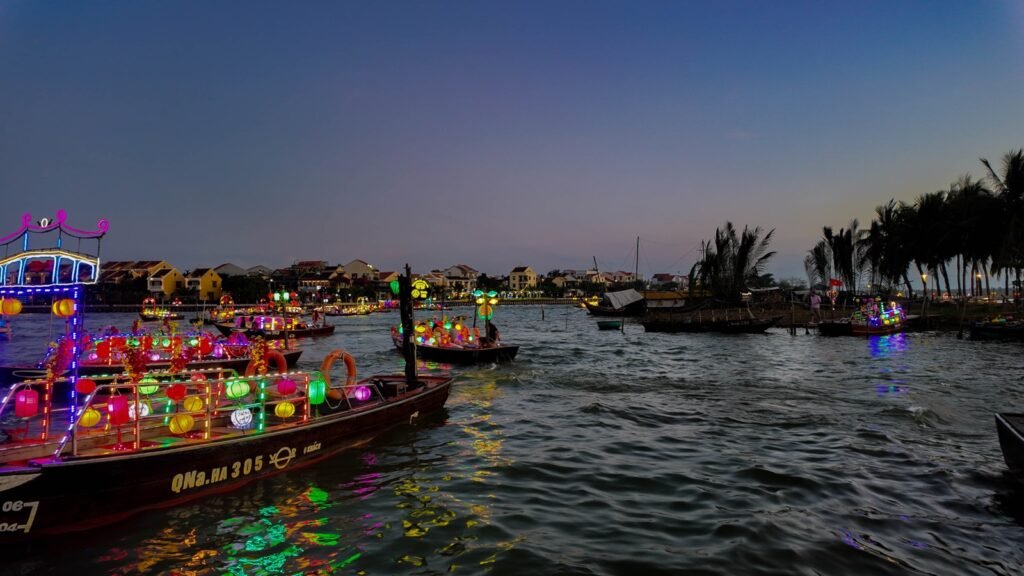
We sat in a small wooden boat on the river, lit a candle, made a quiet wish, and gently pushed the tiny glowing vessel into the water. Around us, hundreds of other candles floated downstream, each one carrying someone else’s hope, someone else’s prayer.
There’s something profoundly human about that ritual. You don’t need to speak the language. You don’t need to understand the history. You just light the flame, close your eyes, and let the river carry it away.
I wished for more trips like this one. Imperfect, unexpected, and completely unforgettable.
Lantern boats on the Thu Bon River, where we floated our candle.
A city that looks ordinary in daylight can break your heart with beauty the moment the sun goes down.
Chinese New Year Night in Da Nang
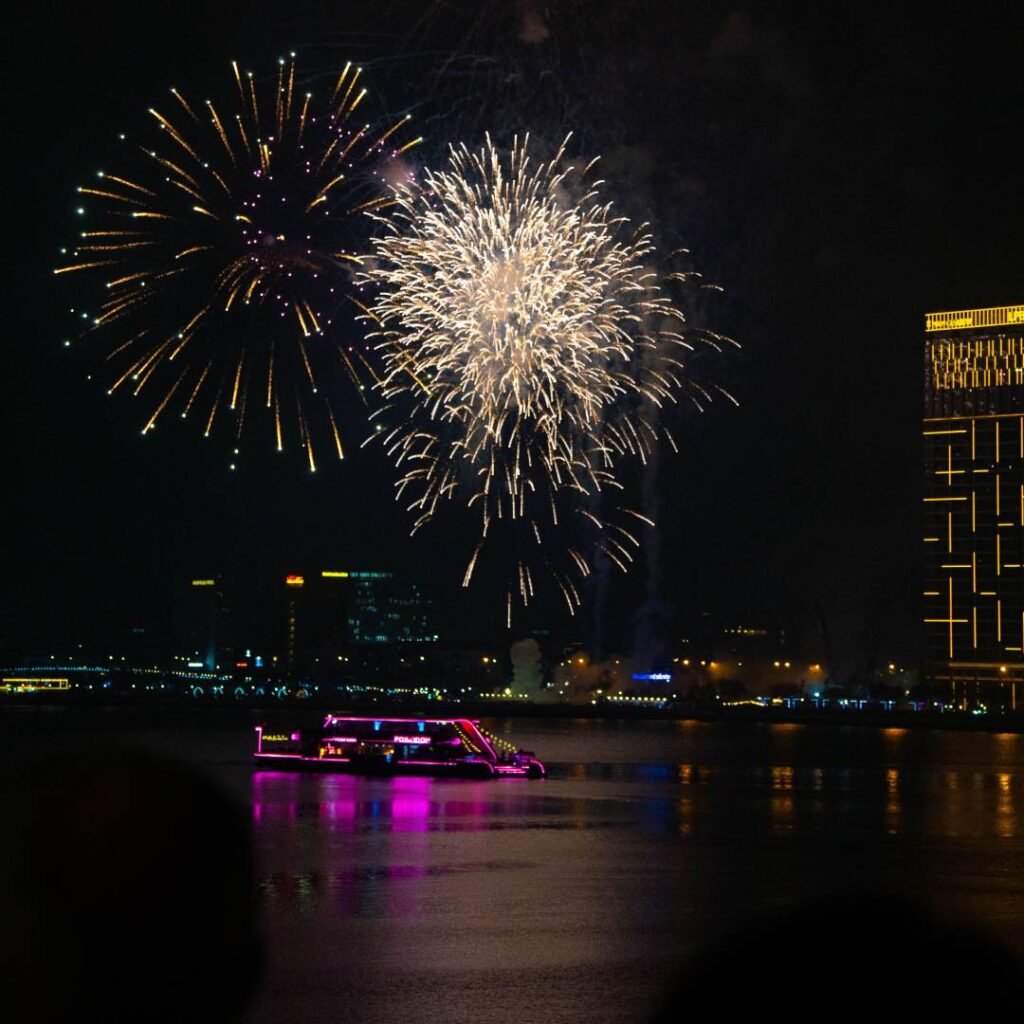
Fireworks over the river on Chinese New Year night in Da Nang.
We spent our last night in Da Nang, mostly because I wanted to see the famous Dragon Bridge.
It was midnight on Chinese New Year, and the entire city was electric. Firecrackers exploded overhead. Families gathered along the river. The dragon stood massive and golden against the dark sky, and even though it didn’t breathe fire that night (it usually does on weekends at 9 PM, we learned too late), the energy of the crowd more than made up for it.
There’s something special about being in a foreign country during its biggest celebration. You’re an outsider, yes. But for a few hours, surrounded by strangers cheering at the same sky, you feel like you belong.
Eating in Vietnam During Tết
I should talk about the food, because as someone who grew up Indian and has spent a decade eating in Malaysia, food is never an afterthought for me.
Vietnamese food is genuinely wonderful. The pho is rich and fragrant. The bánh mì is crispy and fresh. The iced coffee is dangerously addictive. Everything we tried was delicious.
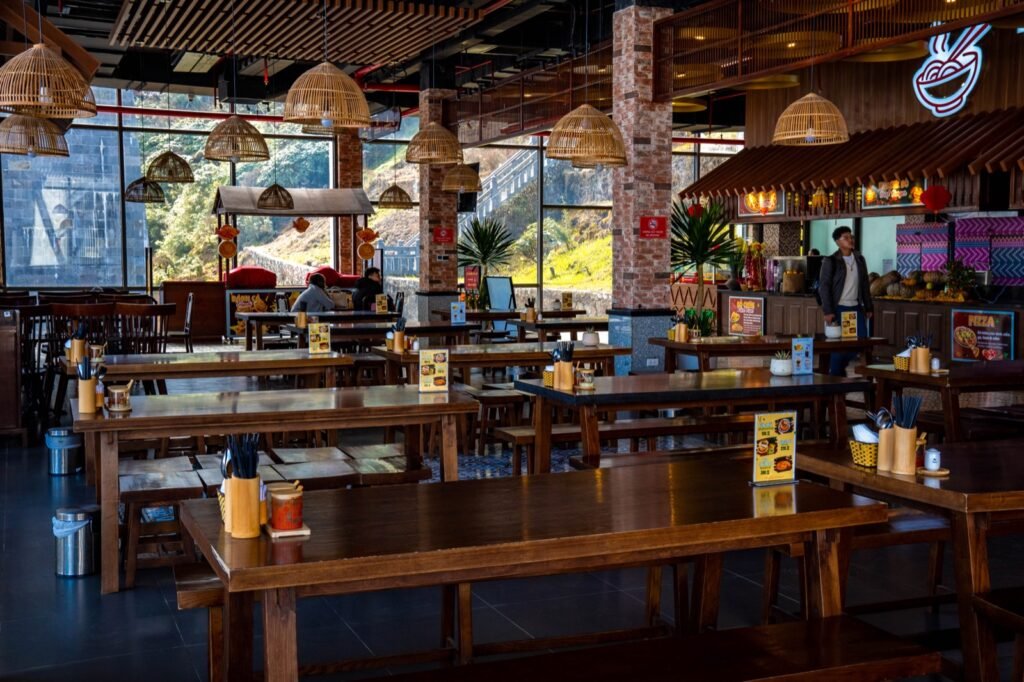
But traveling during Tết means accepting a hard truth — most restaurants are closed. The options shrink dramatically. As someone used to the endless variety of Malaysian food courts and Indian restaurants on every corner, the limited choices were a small adjustment. We ate a lot of bánh and local Vietnamese dishes, and while it was all tasty, I missed the variety I take for granted back home.
A food hall in Sapa, one of the places that stayed open.
If you’re planning a Vietnam trip and food is a priority, I’d gently suggest avoiding the Tết week. Go in March, April, or October instead. You’ll eat better, the weather will be kinder, and the crowds will be thinner.
But if Tết is the only time you can go? Go anyway. The food you do find will taste better because of the effort it took to find it.
The Small Moments
Some of my favourite moments from this trip weren’t the big ones.
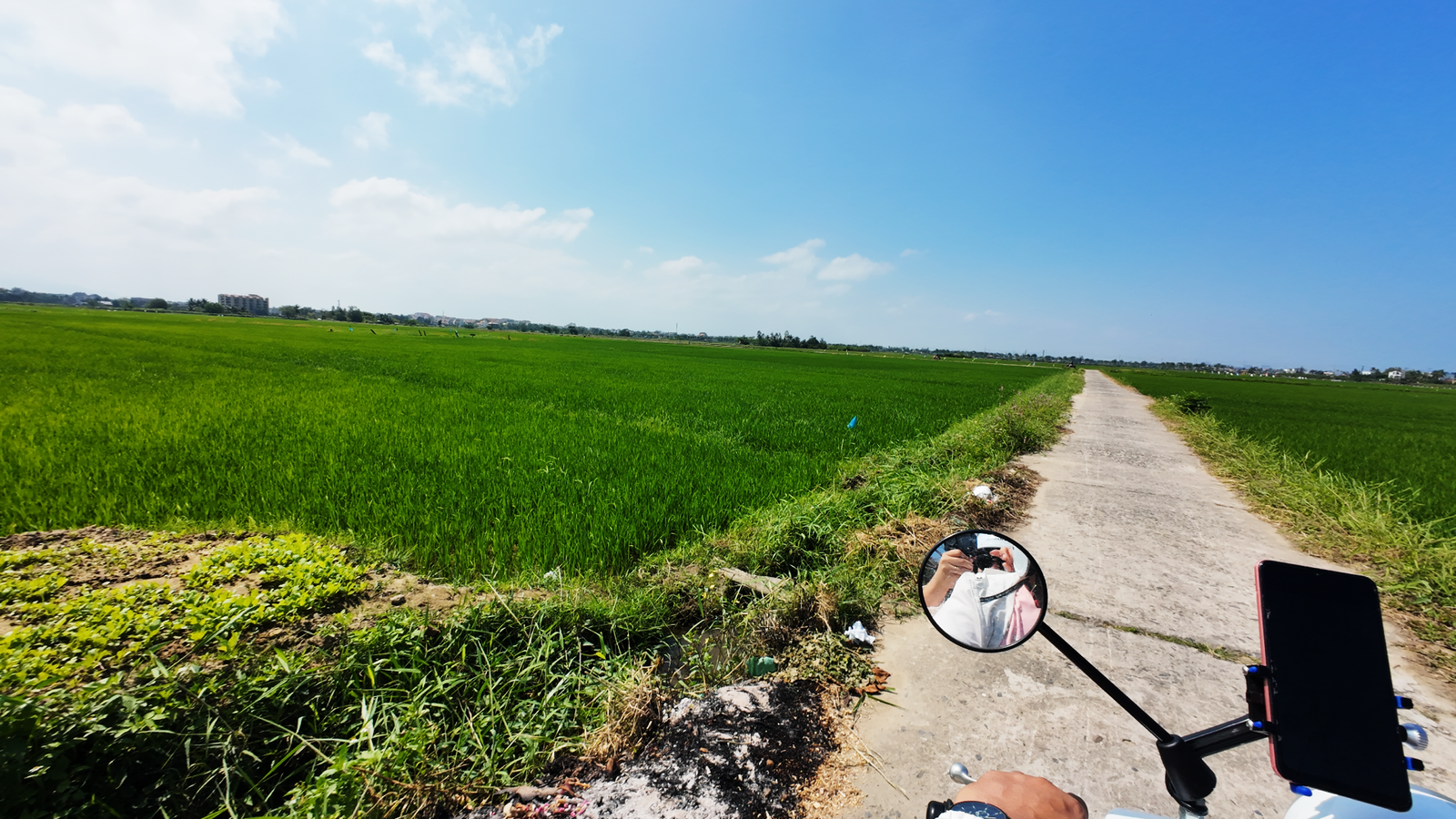
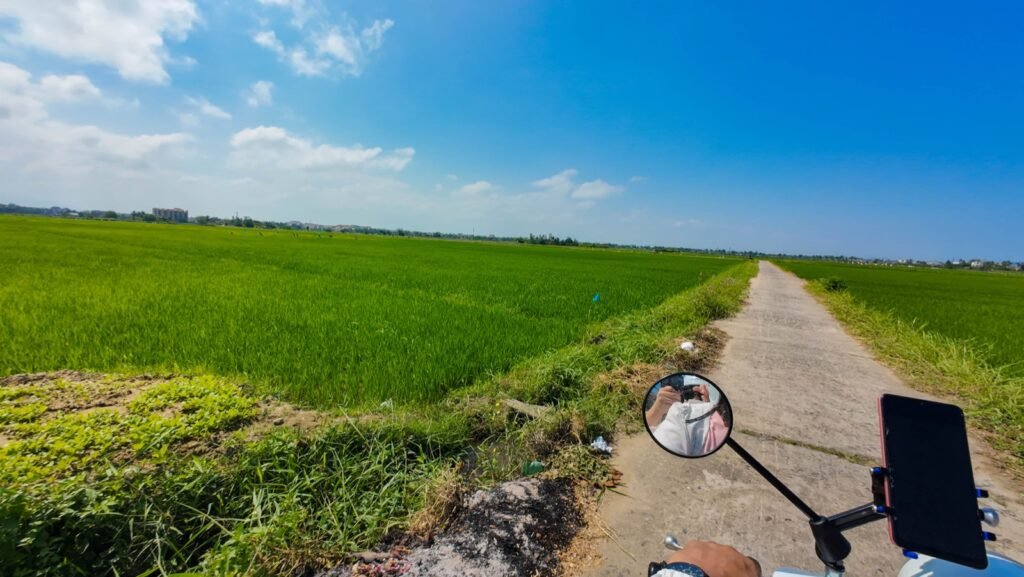
It was renting a motorbike in Hoi An for a few dollars and riding through the countryside to Coconut Village, only to find the basket boat club closed for the holiday. We laughed about it. We took photos anyway. We rode back through the palm-lined roads with the wind in our hair and decided it was still worth it.
Riding through the rice fields outside Hoi An.
It was the van ride back from Sapa to Hanoi — faster and cheaper than the bus, winding through mountain roads while the fog slowly lifted and the green valleys revealed themselves one by one.
It was the cold air on the top deck of that Hanoi bus on the very first evening, when everything was still new and unknown.
These are the moments that don’t make it into the highlight reel. But they’re the ones I think about most.
Not everything will go as planned. Not every restaurant will be open. Not every drone will come back. And that’s exactly what makes it real.
Why I'll Go Back
I came back to Kuala Lumpur with a lost drone, a phone full of photos I’m still sorting through, and a heart that feels a little fuller than it did seven days ago.
Vietnam wasn’t perfect. The fog ruined my drone shots. The holiday closed half the restaurants. The cable car was crowded. The taxi stands were chaotic. The fire-breathing dragon didn’t breathe fire.
And yet.
The candle I floated down the river in Hoi An is still glowing somewhere in my memory. The cold air of Sapa still tingles on my skin. The lantern-lit streets of Hoi An still make me catch my breath when I scroll past the photos.
I didn’t get to the beaches. I didn’t ride the Hai Van Pass. I didn’t spend enough time in the villages. I have a long list of things I missed.
But that’s not a failure. That’s a reason to go back.
And I will.
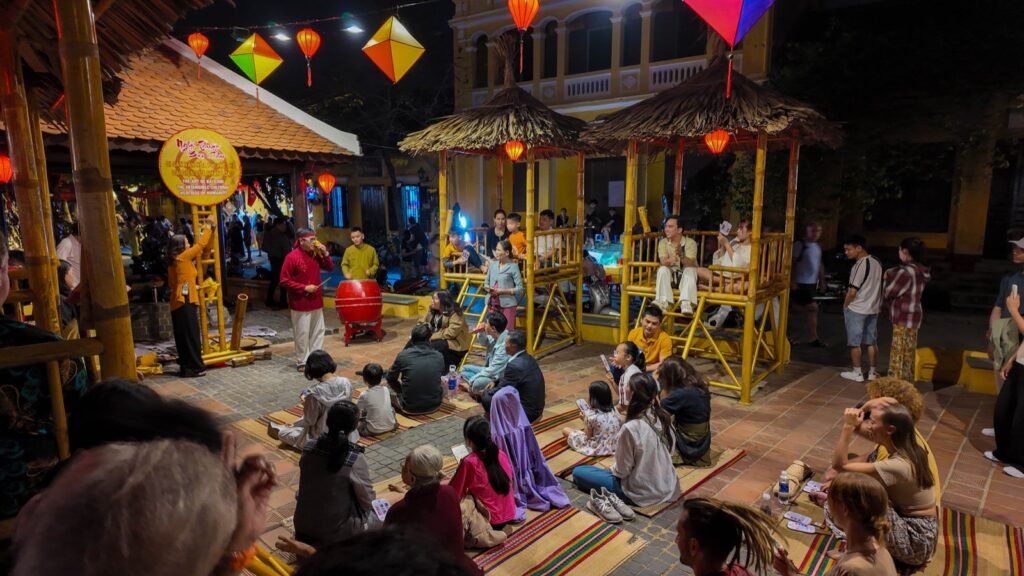
A street performance in Hoi An on our last night there.
If you’re sitting at home right now, scrolling through flights, waiting for the perfect time to go — this is your sign. Book the ticket. Take the night bus. Lose the drone. Make the wish. The process is the point. It always was.
Have you been to Vietnam? Or are you planning your first trip? I’d love to hear your story in the comments below.
We’re three friends who met in Malaysia and turned our love for travel and food into Travel Treat Together. Full-time professionals who never quit our jobs — just found a way to make every trip count.
Travel Treat Together is a travel blog for working professionals who want to see the world without quitting their jobs. Explore destination guides, itineraries and stories from across Asia and beyond.