

Some places you visit, but Penang is the kind of place that stays with you long after you leave.
Located off the coast of Malaysia, this small island has a lot to offer. In a single day, you can explore colorful street art and historic buildings, eat a world-class bowl of laksa for lunch, and watch a peaceful sunset over the ocean.
It is the kind of place everyone should see at least once.
Penang (officially Pulau Pinang) is a state in Malaysia made up of two parts: Penang Island, where most of the magic happens, and a small strip of mainland called Seberang Perai. The island’s capital, George Town, was declared a UNESCO World Heritage Site in 2008 — and the moment you walk its old streets, you’ll understand exactly why.
It’s a melting pot in the truest sense. Chinese, Malay, Indian, and British colonial influences have been simmering together here for centuries, and what you get is a culture, an architecture, and a food scene that exists nowhere else on earth. It’s loud in the best way. It’s colorful in every sense of the word. And it’s incredibly, beautifully human.
This was the first time the three of us travelled together. We left Kuala Lumpur at night, one of my friends drove the whole way, and by morning we were in Penang.
I had heard about Penang from so many people, especially about George Town. We checked in, showered, got ready, and went straight out to explore. The sky was clear and the sun was out.
We walked a lot. George Town is full of colourful walls, little shops and art on every corner, and we took a pile of solo and group photos along the way.
Our first stop was a bookstore, where we browsed for a while and I picked up a few books. One of my friends knew the local food, so we tried a few dishes on her suggestion, including a plate of char kway teow, the smoky fried noodles Penang is famous for.
We also found an Indian restaurant and had a proper meal there: palak paneer, a chicken curry, naan, raita, dry bhindi (ladyfinger) and a cup of local Indian tea. And yes, at one point we had pizza too. Three friends, three different cravings.
Penang is famous for food, but I am honestly not much of a foodie. I wanted to explore the island my own way, and for me that meant the streets, the art and the people.
Penang’s wall art is famous, so we went looking for the murals one by one and kept stopping for photos.
It was hot, so we took breaks in the shade. Bringing an umbrella was one of our best decisions of the trip.
We had a list of places we wanted to cover, but we did not really stick to it. We just went wherever we had time for, and it worked out fine.
We also stopped at The FOUNDERS café, which was very popular, and the aesthetic vibe there was lovely. Read our full FOUNDERS Hutton story →
We took the funicular train up Penang Hill, and at the top we went for the buggy ride. It was RM5 per person, and it was worth it.
We also made it to Kek Lok Si Temple. The tall Kuan Yin statue under its pavilion is one of the photos from this trip that I keep going back to.
Later we went to the beach, where I flew my drone and got a few shots.
We drove back to KL the next day. It was a short trip, but a really good one.
If you ask most travelers why they’re heading to Penang, they’ll tell you: the food. And they’re not wrong. Penang is widely regarded as Malaysia’s food capital — some even say it’s one of the best food destinations in all of Southeast Asia.
But Penang is so much more than that. It’s equally famous for its street art, its heritage architecture, its vibrant multicultural festivals, and its laid-back island energy that somehow coexists with a buzzing city life. It’s a photographer’s paradise, a culture lover’s dream, and yes — an absolute heaven for anyone who eats with their whole heart.
Explore George Town on Foot (or Bicycle) Seriously, just walk. George Town rewards the slow traveler. Wander through Armenian Street, Love Lane, and Lebuh Chulia and let the city talk to you. Every alley has a story. Rent a bicycle if your feet give up — the whole heritage zone is flat and very bikeable.

Trishaw rides are the easy way to see George Town.
Climb Penang Hill (Bukit Bendera) Take the funicular railway up to 833 meters above sea level and watch the whole island unfold below you. Golden hour up here? Absolutely unreal. Bring a jacket — it gets cool at the top, which is a luxury when you’ve been sweating at sea level all day.

Good friends, a buggy ride and big smiles in Penang.
Visit Kek Lok Si Temple One of the largest Buddhist temples in Southeast Asia, this place is nothing short of breathtaking. Go early in the morning to beat the crowd and catch the mist. During Chinese New Year, it lights up like a dream.

The Kuan Yin statue at Kek Lok Si Temple.
Catch the Street Art George Town turned its walls into an open-air gallery and it changed the city forever. The famous Ernest Zacharevic murals — especially the Boy on Bicycle — are must-sees. But beyond the famous ones, there are hundreds of smaller works hidden in alleys just waiting to be discovered.

The famous kids-on-a-bicycle mural in George Town.
Day Trip to Penang National Park A short drive from the city brings you to one of the smallest national parks in the world — but don’t let the size fool you. Jungle trails, secluded beaches, monitor lizards, and hornbills. If you’re a hiker who loves nature that feels raw and untouched, this is your place.
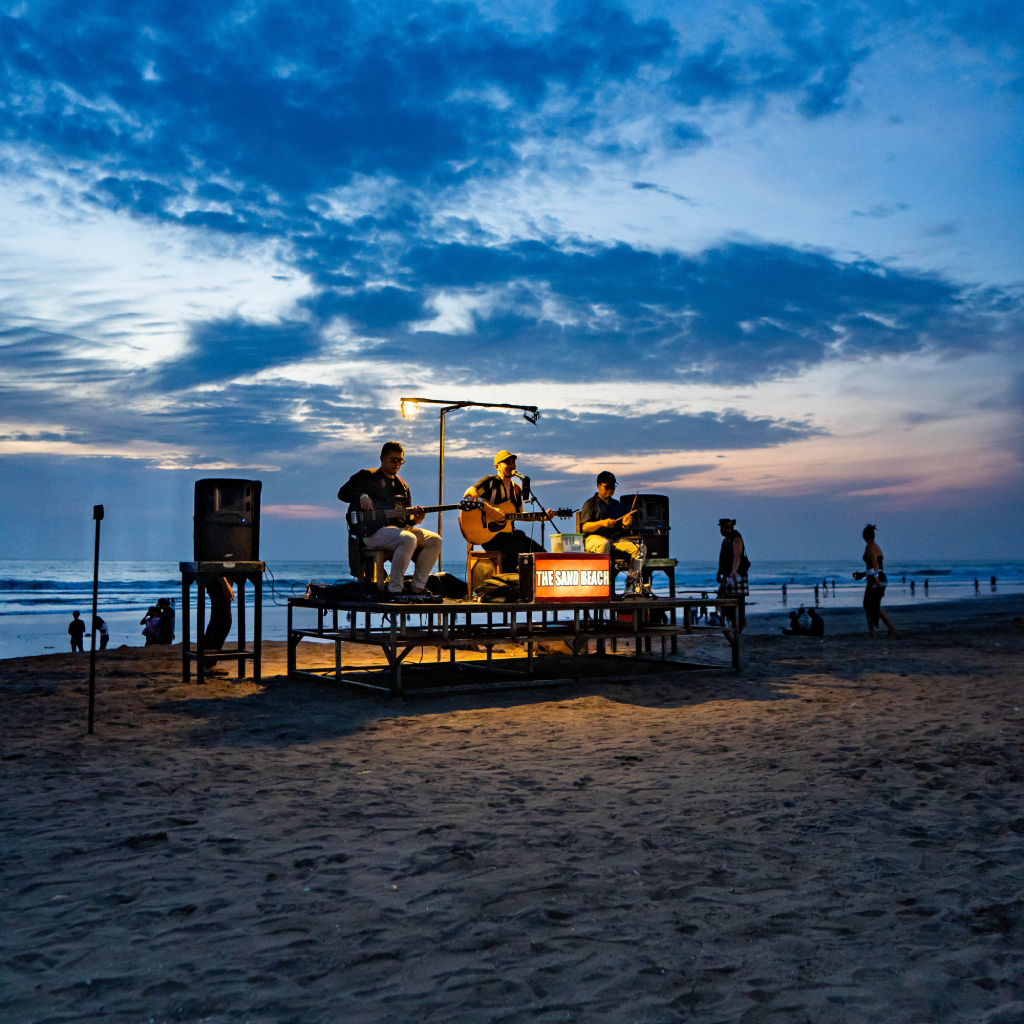
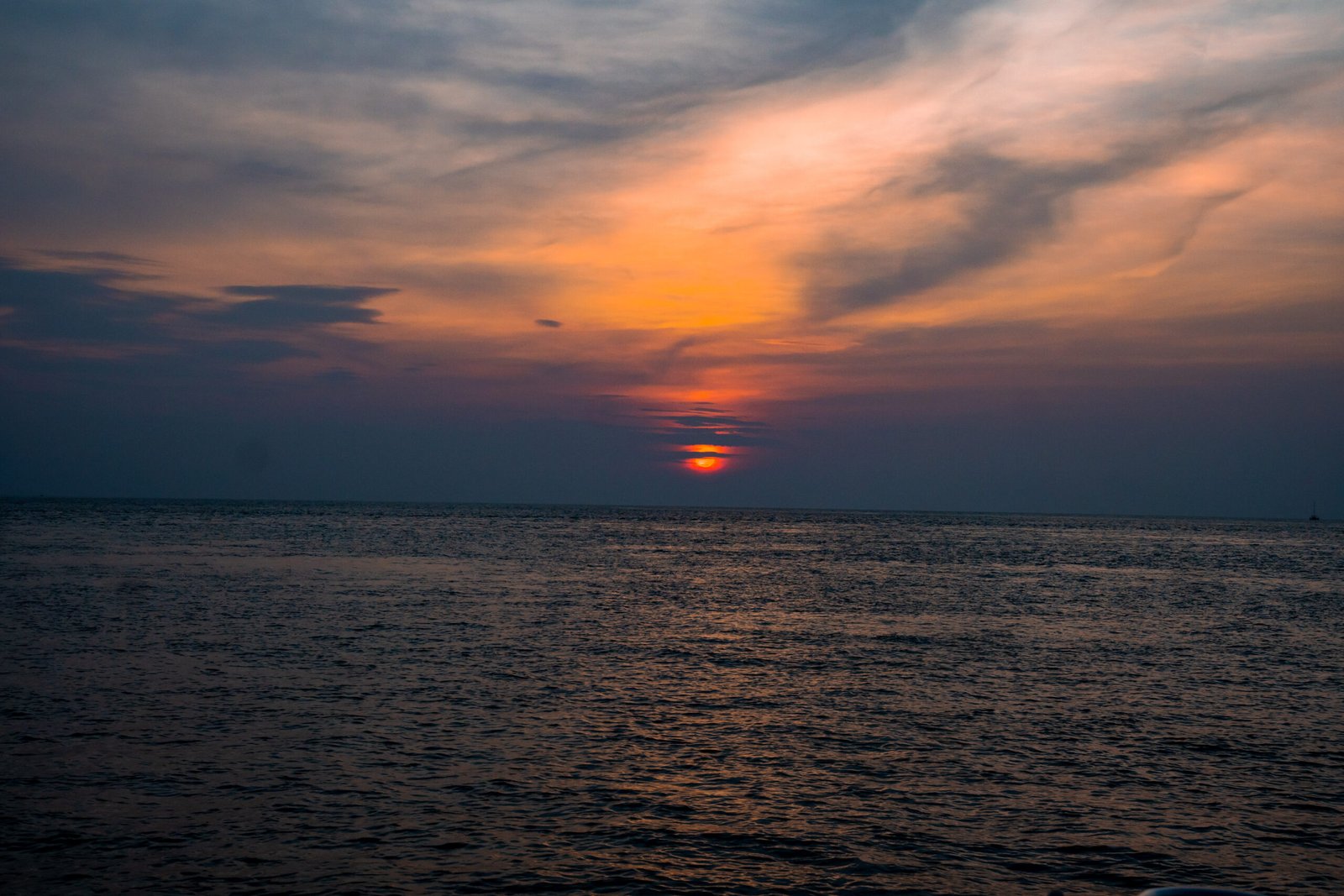
Batu Ferringhi Beach The island’s most popular beach strip. It’s touristy, yes, but the night market that lines the road is fun for an evening stroll. Water sports, beachside food stalls, and some of the most colourful sunsets on the island.
From our trip
George Town is best on foot. Walk slowly, look up and down every lane, and don’t worry too much about following a fixed list.
Penang’s soul lives in its culture, and if you slow down enough to notice, it’ll catch you off guard in the most beautiful ways.
The Clan Jetties are wooden stilt villages built over the water by Chinese immigrant clans in the 1800s. Chew Jetty is the most famous. Walk the planks, talk to the locals, and try to imagine generations of families building a life literally on the sea.
Sri Mahamariamman Temple on Queen Street is a riot of color and devotion — intricate carvings, incense smoke, and a kind of spiritual energy you can actually feel. Visit during Thaipusam if you want to witness one of the most intense and beautiful festivals in the world.
Khoo Kongsi is a spectacular Chinese clan house with breathtaking detail. The detail in the carvings, the painted ceilings, the open courtyard — it’s a piece of living history that still holds ceremonies today.
Penang Peranakan Mansion gives you a deep look into the Nyonya-Baba culture — the unique blend of Chinese and Malay heritage. The artifacts, costumes, and stories inside are extraordinary. Block out a good two hours here.
Honestly? Penang is a year-round destination, but here’s the honest breakdown:
December to February is the sweet spot — cooler, drier, and the city is alive with Chinese New Year energy. This is peak season, so book accommodation early.
May to July is another good window. Fewer tourists, manageable weather, and hotel prices drop. The occasional afternoon shower only makes the streets smell better and the food taste more earned.
Avoid October and November if you dislike rain — this is the monsoon season on the island’s southwest side, and it can get quite heavy.
When we went
We had clear skies and a lot of sun. Carry an umbrella for shade and plan a few breaks in the middle of the day.
This section could be its own blog post. Actually, it probably should be. But here are the non-negotiables:
Char Koay Teow — Stir-fried flat rice noodles with prawns, cockles, egg, and dark soy sauce, cooked over fierce fire in a well-seasoned wok. The smoky breath of the wok (wok hei) is everything. Find it at Lorong Selamat or New Lane.
Assam Laksa — This one divides people, but locals swear by it. A sour, tamarind-based fish broth loaded with thick rice noodles, shredded mackerel, pineapple, cucumber, and a dollop of prawn paste. It’s bold, pungent, and deeply satisfying. Air Itam Laksa is the benchmark.
Nasi Kandar — A Penang institution. Rice with a rotating cast of rich curries ladled on top — chicken, mutton, squid, egg. Line Clear on Penang Road is open until the early hours and has been doing this since 1935.
Penang Hokkien Mee (Prawn Mee) — A prawn and pork bone broth that’s been simmering for hours, with yellow noodles, vermicelli, boiled eggs, and sambal. The broth is the hero here.
Cendol — Don’t skip dessert. Green rice jelly, coconut milk, palm sugar syrup, and shaved ice. Simple. Perfect. Especially after walking in Penang’s midday heat.
Roti Canai — Not unique to Penang, but the mamak versions here are exceptional. Flaky, buttery flatbread with dhal and curry. This is breakfast. This is also a midnight snack. This is always acceptable.
A note from a non-foodie
I am not a big foodie, so we let a friend who knew the local dishes order for us. That is how I ended up with char kway teow. And if you miss home food like I sometimes do, Penang has good Indian restaurants too: we had palak paneer, naan, raita and bhindi in George Town.
Getting to Penang: Most travelers fly into Penang International Airport (PEN), with direct connections from KL, Singapore, Bangkok, and beyond. You can also take a comfortable train to Butterworth on the mainland, then hop the 20-minute ferry to George Town — which, by the way, is a lovely way to arrive.
Getting Around the Island:
The island itself isn’t huge — you can get from George Town to Batu Ferringhi in about 25 minutes by car.
How we got there
We drove up from Kuala Lumpur overnight and arrived in the morning. In George Town itself, we mostly walked.
Penang is the kind of place that feels immediately familiar, even on your first visit. Maybe it’s the warmth of the people. Maybe it’s the way the old streets hold centuries of stories without trying too hard. Maybe it’s because somewhere between your first bowl of laksa and your fifth, you stop being a tourist and start feeling like you belong.
It’s a city that rewards the curious. The ones who wander off the main road. The ones who ask the uncle at the hawker stall how long he’s been cooking and actually listen to the answer. The ones who sit with their camera, not to capture the perfect shot, but to understand what they’re looking at.
People come to Penang for the food and leave with something harder to name — a deep respect for a place that knows exactly who it is.
Go. Wander slowly. Eat everything. Talk to strangers.
Penang will take care of the rest.
Have you been to Penang? I’d love to know your favorite corner of the island — drop it in our Instagram DMs @traveltreattogether.
We’re three friends who met in Malaysia and turned our love for travel and food into Travel Treat Together. Full-time professionals who never quit our jobs — just found a way to make every trip count.
New guides, real trips, no spam. Straight to your inbox.