Discovering Sibu: The Heartbeat of the Rajang River
Overview
Let me be honest — when most people plan a Sarawak trip, Sibu is not the first name that comes to mind. Everyone rushes to Kuching or Miri. But that’s exactly why Sibu is worth a visit.
Sibu is the third largest city in Sarawak and sits along the Rejang River — the longest river in Malaysia. It’s a busy, lived-in, real-life kind of town. No over-the-top tourist traps. No Instagram-optimised waterfronts. Just a city with an incredibly rich trading history, a fascinating mix of cultures, and food so good it’ll rearrange your priorities in life.
Why it’s popular
Sibu draws a specific kind of traveller — one who wants something genuine. Here’s why people keep coming back.
Foochow Chinese Heritage— Sibu has one of the most concentrated Foochow Chinese communities outside of China. The dialect, the food, the temples, the architecture — all of it feels incredibly preserved and distinct.
The Rejang River— The river is the lifeblood of the region. Watching the express boats and cargo ferries move up and down the river is a visual experience that feels timeless.
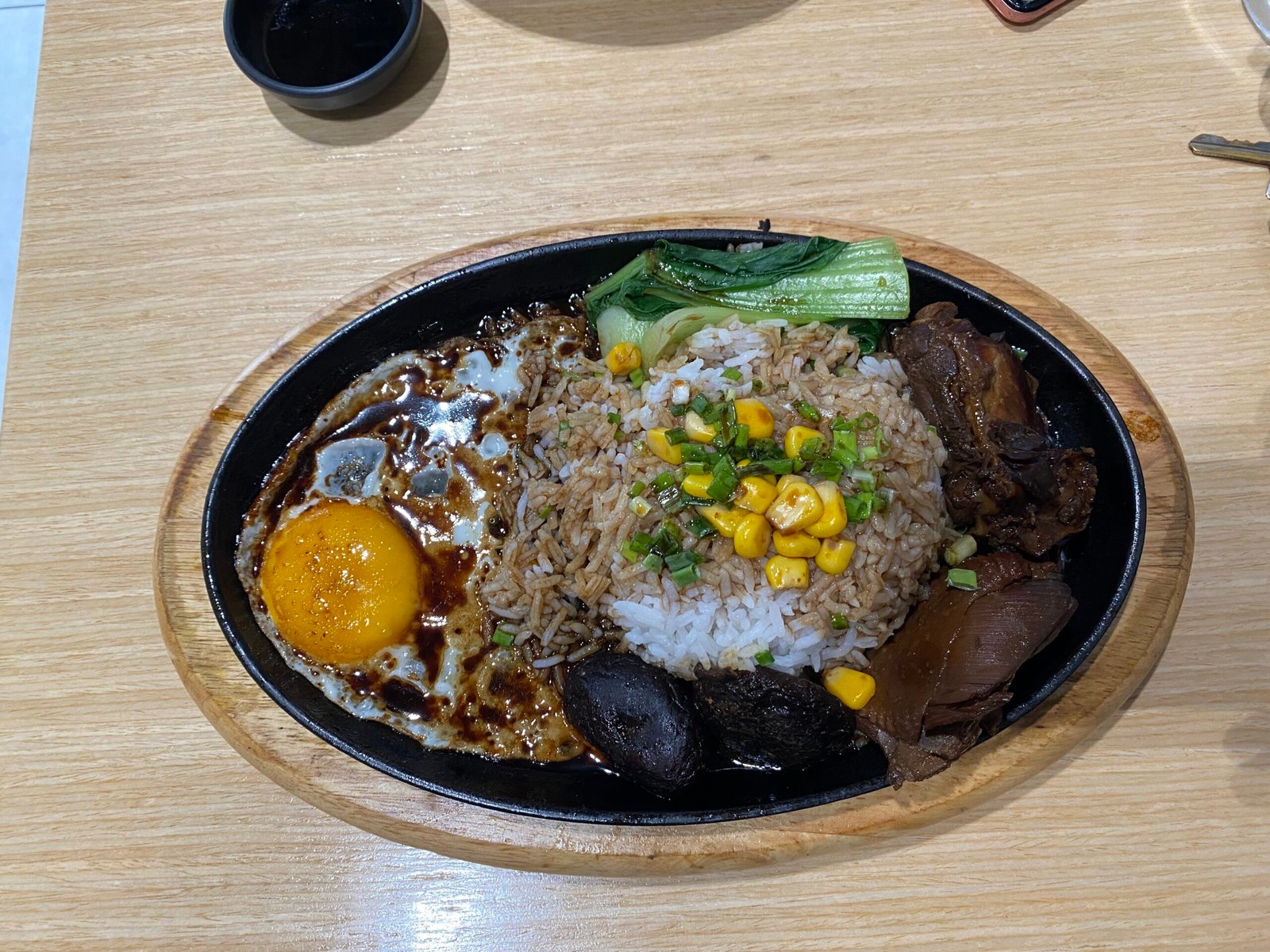
Hawker food culture— Sibu’s wet markets and hawker centres are legendary among food lovers. The food here is honest, cheap, and deeply delicious.
Gateway to the interior— Sibu is the main jumping-off point for boat journeys upriver to Kapit and beyond — places where longhouse culture is still very much alive.
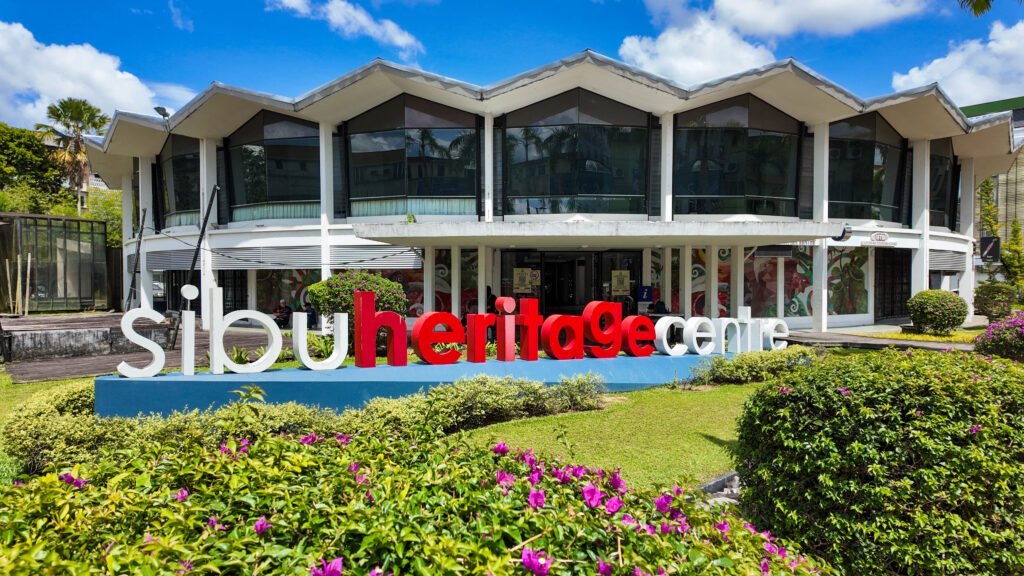
Sibu Heritage Centre— For anyone who wants to understand how this trading town grew from a tiny settlement into a city, the heritage centre tells the story beautifully.
Sibu rewards slowness. The more time you give it, the more it gives back.
Things to do
You won’t need to rush here. Sibu is a city for wandering, eating, and observing. But here are the must-dos:
Sibu Waterfront— Walk the promenade along the Rejang at golden hour. Watch the boats, breathe in the river air, and just soak in how alive this stretch of water is.
Lau King Howe Memorial Museum— Tells the story of Sibu’s first hospital and its Chinese pioneer roots. Small but fascinating.
Tua Pek Kong Temple— An iconic seven-storey pagoda that’s been standing since the early 20th century. Climb it for a view over the city and the Rejang.
Central Market (Pasar Sibu)— Go early — 6 to 8am is peak hour. Wild boar, freshwater fish, jungle ferns, pineapples, and things you’ve genuinely never seen before.
Day trip to Kapit— Take a 2-hour express boat upriver. Kapit is a small town deep in the jungle interior, gateway to Iban longhouses. It’s like stepping into another world.
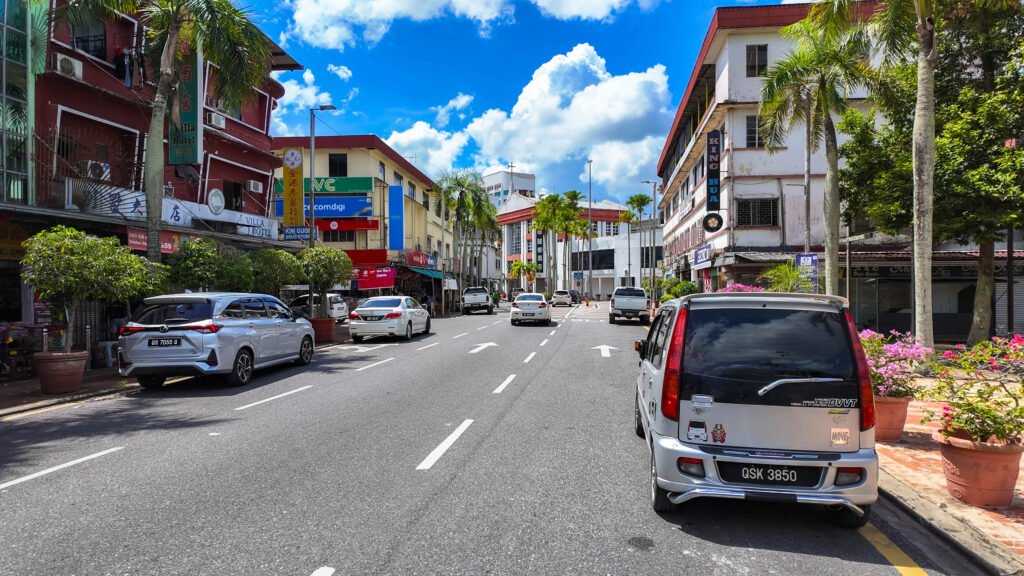
Methodist Pilley Institute & Old Town Area— Wander around the old town and the heritage shophouses. The architecture tells the whole colonial-era trading story without a single tour guide.
Night markets— At night, grab a plastic stool at the open-air markets. Beer is cold, company is warm, and the food never stops coming.
Pro tip
The express boat to Kapit departs from the Sibu Express Wharf in the morning. Get there by 8am, buy your ticket, and you’ll be deep in the rainforest by lunch. No booking needed, just show up.
Weather
Sibu is hot and humid all year round — it’s Borneo, after all. Don’t expect dramatic seasons. Expect sweat, sudden rain, and then bright sunshine 20 minutes later.
The rain here is heavy but usually short. It pours for 30 minutes and then the sun is back out. Carry a small umbrella or a poncho and you’ll be fine. The best months to visit are between May and August — it’s drier, slightly cooler in the evenings, and the river is at a good level for boat trips.
Morning is the best time to be outside. Markets are buzzing, it’s not yet cooking hot, and the light on the river is gorgeous. By 2pm, find yourself a coffee shop or an air-conditioned spot and wait it out.
Culture
Culture is probably Sibu’s biggest surprise for first-time visitors. You expect a small trading town — and you get a layered, fascinating mix of identities all living side by side.
The Foochow Chinese settlers arrived in the early 1900s under the guidance of Methodist missionary Wong Nai Siong, and their influence is everywhere — in the dialects spoken, the temples built, the food cooked, and the way business is conducted. Walking through the old town feels like a living museum.
But it’s not just Chinese culture. Sibu is also home to Iban, Malay, Melanau and other indigenous communities. You’ll hear multiple languages in a single coffee shop conversation. And somehow, it all fits.
Festivals here are a serious affair. Chinese New Year in Sibu is one of the liveliest in all of Sarawak — the kind of celebration where entire streets light up and the noise doesn’t stop for three days.
The Methodist church also plays a surprisingly central role in the community’s identity — there are large churches, mission schools, and institutions that have been here for over a hundred years. It’s a reminder that Sibu’s character was shaped by an unusual crossing of Chinese roots, indigenous culture, and Christian missionary history, all fused together over generations.
Food You Must Try
You cannot visit Sibu without an appetite. The food here is unique, even compared to the rest of Sarawak.
Kampua Mee: The undisputed king of Sibu food. These are simple dry noodles tossed in lard (or vegetable oil) and topped with slices of pork. It’s cheap, delicious, and eaten for breakfast, lunch, and dinner.
Kompia: Often called the “Foochow Bagel,” these are hard bread rolls baked in a traditional clay oven. Try them plain or stuffed with minced meat.
Sarawak Laksa: While Kuching is famous for it, Sibu has its own fantastic versions. It’s a spicy, coconut-based noodle soup that’s “breakfast of the gods.”
Ding Bian Hu: A delicate rice flour soup cooked by pouring batter around the edges of a wok. It’s light, savory, and very traditional.
Getting Around (Transportation)
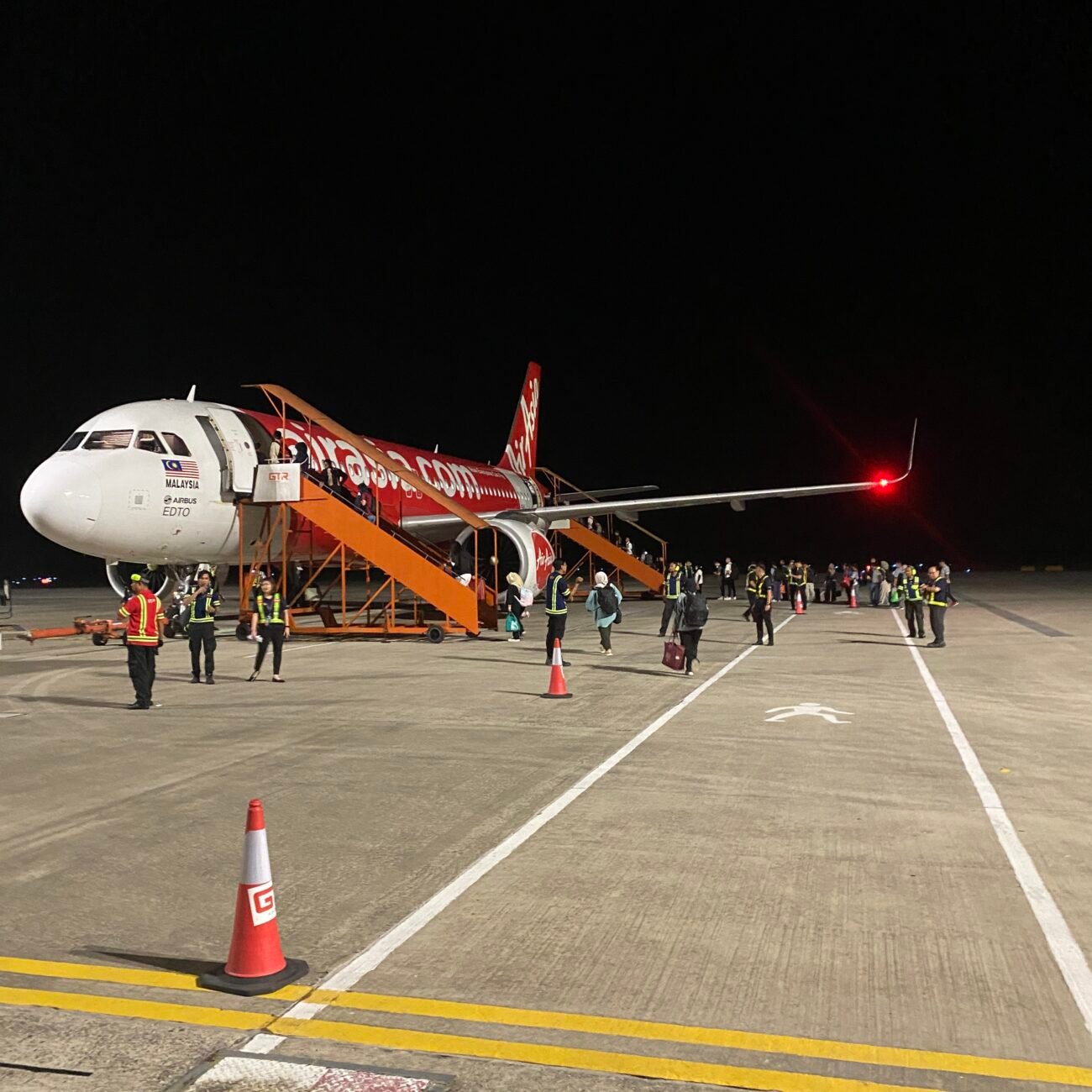
By Air: Sibu Airport connects you to Kuala Lumpur, Kuching, and Kota Kinabalu.
By Boat: The express boats are a classic Sibu experience. You can take them to reach interior towns like Kapit and Belaga.
In Town: Use Grab (the local ride-sharing app). It’s very affordable and much easier than trying to navigate local buses.
Walking: The town center is fairly compact and walkable, especially around the Heritage Centre and Central Market.
Final Thoughts
Sibu isn’t your typical “tourist trap” with shiny theme parks. It’s a town with a soul. It’s about the smell of fresh Kompia in the morning, the sound of the river, and the warmth of a community that’s proud of its roots. If you want to see the real Sarawak and eat some of the best noodles of your life, put Sibu on your travel map. You won’t regret it!
Pack light. Bring cash. Eat everything. Go with an open mind.
Travel Treat Together is a travel blog for working professionals who want to see the world without quitting their jobs. Explore destination guides, itineraries and stories from across Asia and beyond.