I had just come back from a trip to India when my friend reminded me about Sibu. She is from there, she had to go home for a few days, and she asked if I could come along and keep her company. Honestly, I had never even heard of Sibu before that. I told her, “Let’s see.”
In the end I went. On 12 December 2025 we flew from KL for just three days. It turned into one of those trips where you don’t only see a place. You get to sit with the people who live there.
Sibu is the third largest city in Sarawak and sits on the Rajang River, the longest river in Malaysia. It is not a tourist town, and nothing here is shouting for your attention. What it has is a calm pace, a strong Foochow Chinese history and, if you are lucky, a friend’s family who will feed you and introduce you to everyone.
My Sibu trip at a glance
When: 12 to 14 December 2025, Friday to Sunday
Who: me and a friend who grew up in Sibu, plus her family
From: Kuala Lumpur, a flight of a little over two hours
Stayed: a hotel in town
Highlights: the Sibu Heritage Centre, the wet market, the old boat club and family meals with her aunties
Why I Said Yes to Sibu
I didn’t decide straight away. But the more I thought about it, the more it made sense. I have been living in KL for ten years. Sibu meant a new state and a new city, a part of Malaysia I had never explored. So I said yes.
There was another reason too. When you meet someone in another country, you usually know nothing about their family. Meeting a friend’s family is different. You see their way of living, their food, their culture and how they are with their relatives. I am not from this country, I am not from their community and I don’t speak their language. For me, experiences like this are one of the most important parts of living abroad. They add a new perspective and help me understand people and their culture much better.
Good to know before you fly
Sarawak (and Sabah) has its own immigration control, even though it is part of Malaysia. When you enter Malaysia, check whether your visa or entry pass also allows you into Sarawak and Sabah. The rules depend on which country you are from. Even Malaysians from the Peninsula have to show their IC or passport at immigration when they land in Sarawak.
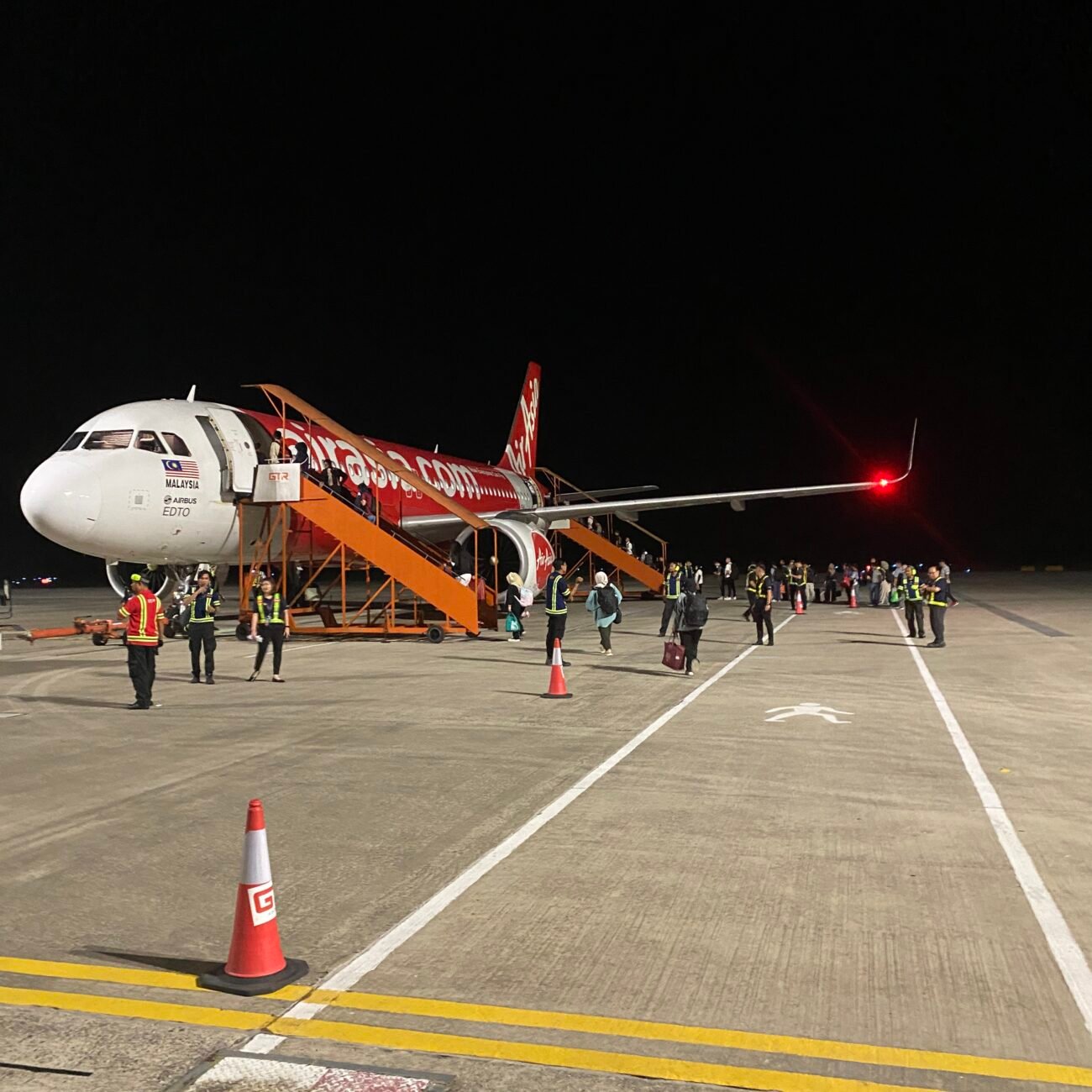
Landing in Sibu on a Friday in December, after a flight from KL.
My Three Days in Sibu
Day 1: Herbal Soup and Conversations I Couldn’t Understand
We landed, checked in to our hotel, and later my friend’s dad came to pick us up. That was the start of the family part of the trip.
That day I met my friend’s daughter for the first time. She was a little shy, and English made her hesitate before replying, but she was more comfortable later. She has a lot of cats. She loves them and takes care of them herself.
My friend’s mom had made a herbal chicken soup. It was a bit bitter for me, but it was healthy, so I tried it.
In the evening my friend, her mom, her daughter and I went out, and some of her aunties joined us. Everyone was talking in Chinese, so I didn’t understand much. But whenever something came up, my friend translated for me: “Auntie is asking how you like Sibu.”
My friend’s dad told me that people here are a bit slow, not like KL. KL is busy city life. Here, people have time. I could see it. There were not many people around, and some shops I walked into were empty. But it would be wrong to judge a town after one day.
After dinner I went back to the hotel. The plan was to have breakfast together in the morning.
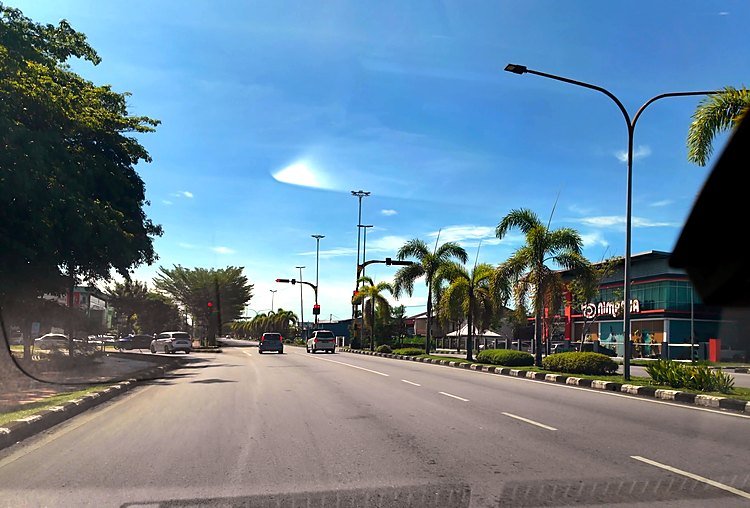
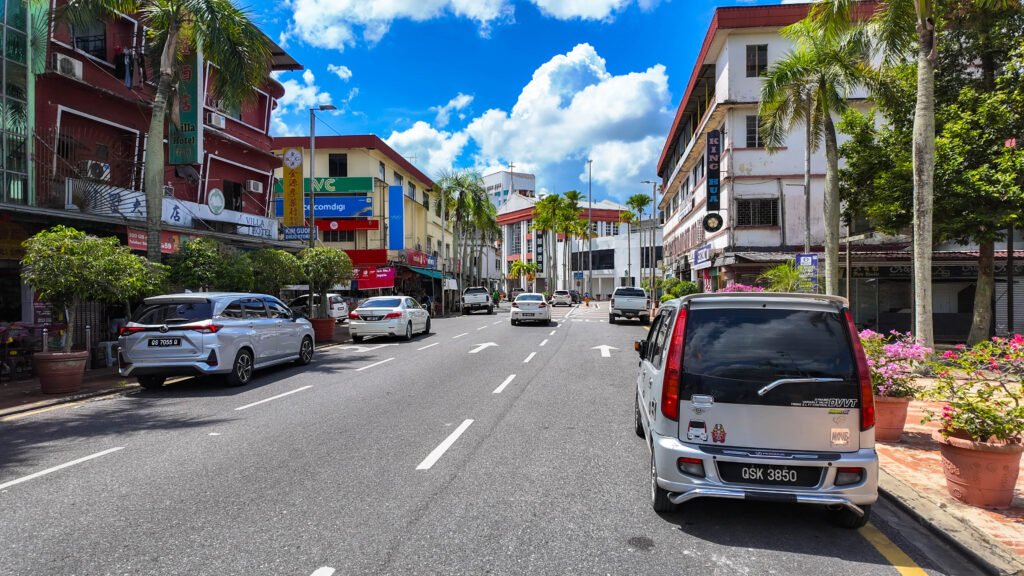
Quiet roads in the middle of the day. After KL, this felt like a deep breath.
“KL is busy city life. Here, people have time.”My friend’s dad, on life in Sibu
Day 2: Breakfast, the Heritage Centre and the Boat Club
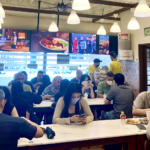
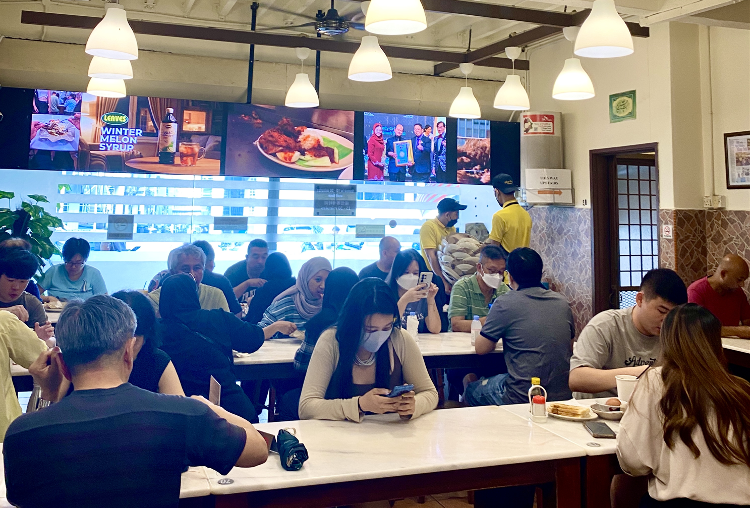
In the morning I had breakfast with my friend, her daughter and her mom. The restaurant was full of people eating breakfast. This is normal in Malaysia, where breakfast out is a big part of the day.
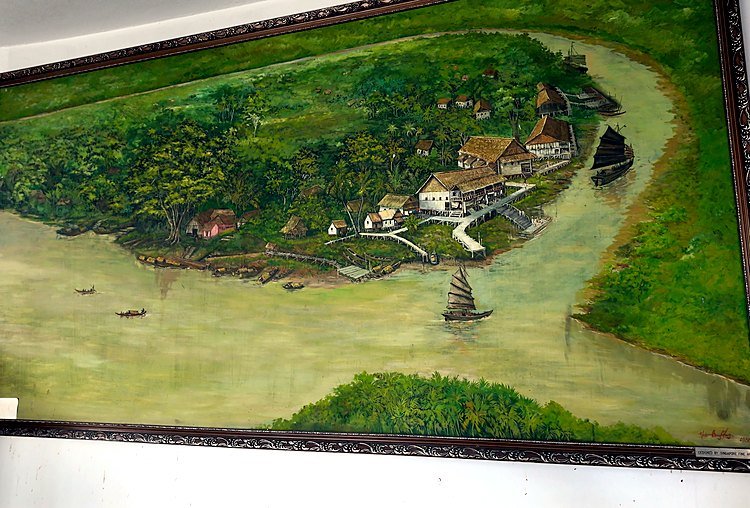
Later, only my friend and I went to the Sibu Heritage Centre. Inside there is a gallery about the town’s history and origins. I read about who the authentic Sibu people are, what their traditional dress looks like, and the tools people used in daily life in the old days. It was useful to know about Sibu, and I would recommend it as a first stop.
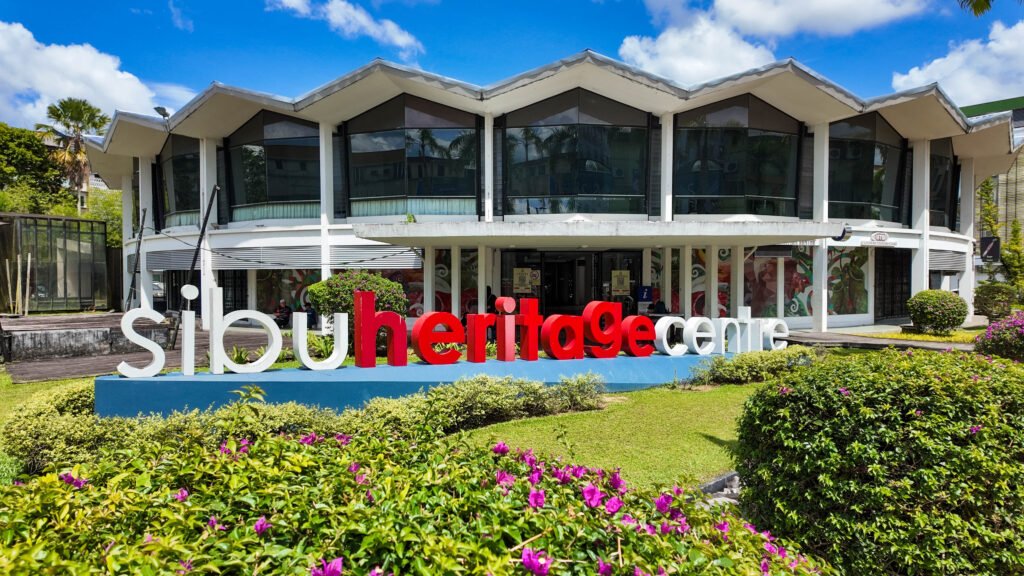
The Sibu Heritage Centre, where I read about the town's history and its first people.
A painting of early Sibu by the river, one of the pieces in the Heritage Centre gallery.
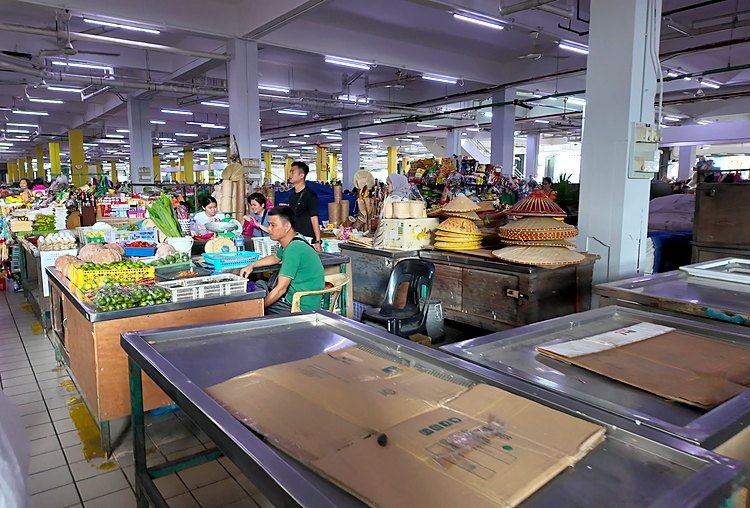
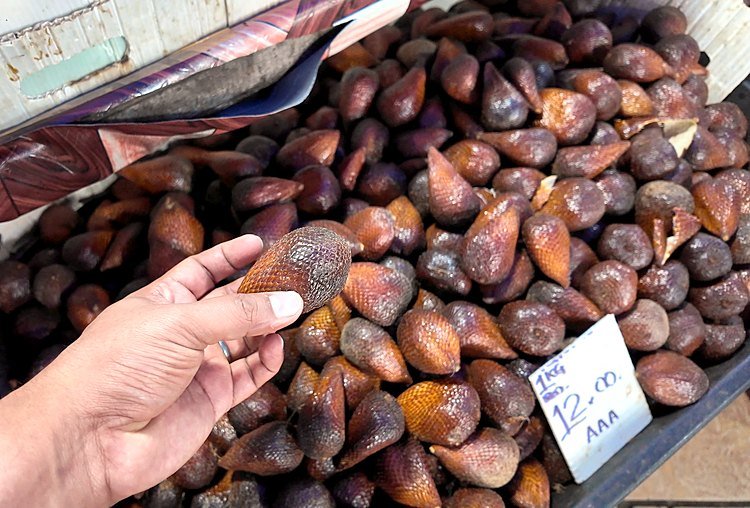
After that we visited the wet market, where my friend showed me some fruits she said you only find in Sibu. I wrote more about the market and the local food in my Sibu food guide.
Inside the wet market. Big, calm and very local.
Salak (snake fruit) at the market, RM12 a kilo.
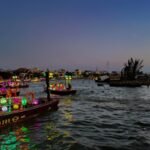
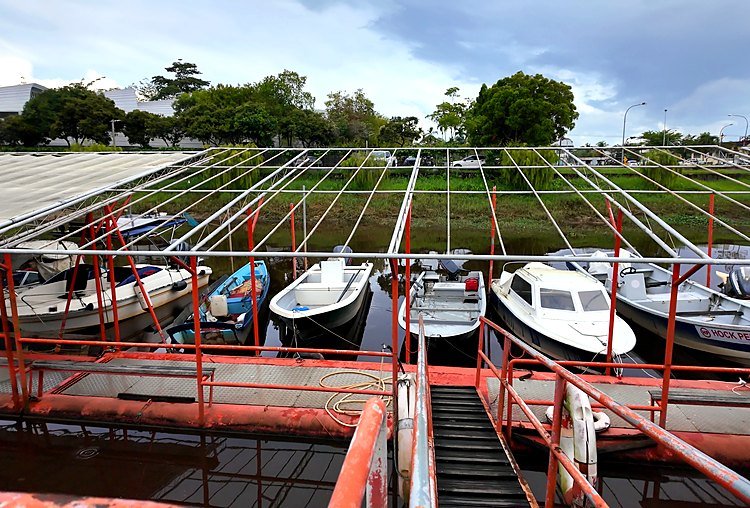
We rested for a while. In the evening my friend took me to the boat club where her dad used to go boating when he was young. It was nice to see a place that meant something to her family, not just a spot from a list.
The boat club where my friend's dad used to go boating when he was young.
Then she went to meet more of her aunties, and I simply followed her wherever she went. For dinner we went to another auntie’s house. Her grandmother was there, the auntie and her daughter, and my friend’s family. We all sat down and ate together as one big group. Sitting in someone’s home with so many different people and sharing a meal, you don’t get that experience every time in life.
Dinner at an auntie's house with my friend's family and her grandmother.
Day 3: Sunday Lunch Before the Flight
On Sunday, before our flight, we had lunch with my friend’s family, her dad included. I got to talk with her dad a bit more. Then we flew back to KL.
What I took home from Sibu
Most people who come to Sarawak go to Kuching to explore. I liked going to Sibu instead. The weather felt the same as KL, but the roads were clean and not crowded, and life felt simple and cozy. After ten years in KL, I really enjoyed that. Most of all, I liked meeting my friend’s aunties, her family and her daughter, and seeing a small part of their life.
Quiet streets and old shophouses. Sibu moves at its own pace.
Why Visit Sibu
Sibu suits travellers who want something calm and genuine more than big sights.
Foochow Chinese heritage — Sibu has one of the largest Foochow Chinese communities outside China. You notice it in the dialect, the food, the temples and the churches.
The Rajang River — The river is the lifeline of the region. Express boats and cargo boats still move up and down it every day.
Local food — Kampua mee, kompia and other Foochow dishes you mostly find only here.
Gateway to the interior — Sibu is the starting point for boat trips upriver to Kapit and the longhouse communities beyond.
A slower pace — Clean, quiet roads and no rush. After KL, it feels like a deep breath.
Things to Do in Sibu
Sibu is a town for wandering, eating and watching daily life, not for rushing. Here is what we did, and what I would add next time.
Places We Visited
Sibu Heritage Centre — My favourite stop. A gallery on the town’s history, its first people, their traditional dress and old everyday tools.
The wet market (Central Market) — Busy and very local, with fruits you won’t easily find outside Sibu. Mornings are the liveliest time.
Breakfast at a local restaurant — The breakfast places were packed in the morning. Do what locals do and eat breakfast out.
Worth Adding If You Have More Time
Sibu Waterfront — A riverside walk along the Rajang, nicest in the evening when it cools down.
Tua Pek Kong Temple — Sibu’s best-known landmark by the river, with a seven-storey pagoda you can climb for a view over the town.
Lau King Howe Memorial Museum — A small museum about Sibu’s early hospital and medical history.
Old town shophouses — The old streets near the river show the town’s trading past.
Day trip to Kapit — Express boats go upriver to Kapit, the gateway to Iban longhouses. We didn’t have time for it on a three-day trip.
Night markets — Open-air stalls in the evening, good for cheap local food.
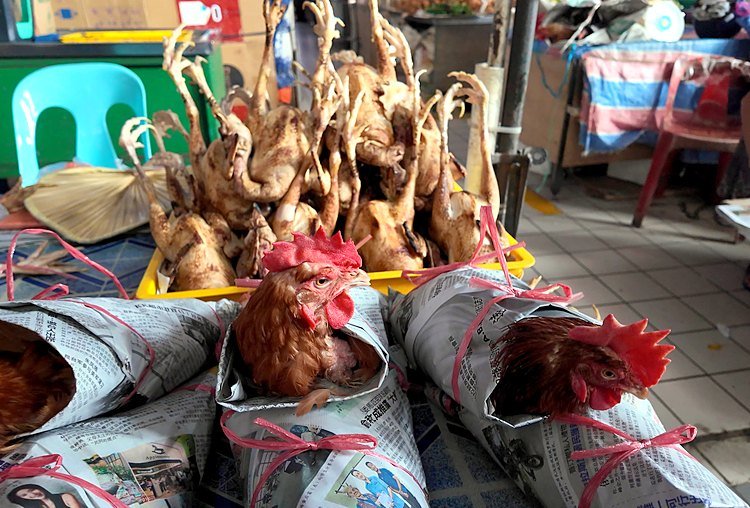
Live chickens wrapped in newspaper, something I had never seen in KL.
If you plan the Kapit trip
Express boats to Kapit leave from the Sibu Express Wharf in the morning, and the ride takes a few hours. Check the boat times at the wharf a day before you go.
Weather
We went in mid-December, and to me the weather felt just like KL: warm and humid, nothing very different. It was not too hot, and it didn’t spoil any of our plans.
Sibu is hot and humid all year, like the rest of Borneo. Rain usually comes as a heavy shower and then clears. The wetter months are roughly November to February, and the drier months are around June to August. Carry a small umbrella and you will be fine. Mornings are the most comfortable time to be outside.
Culture
For me, the culture was the best part of Sibu, mostly because I saw it from inside a family. Most conversations around me were in Chinese, and family was at the centre of everything: aunties, a grandmother, daughters, everyone at one table.
Sibu has a large Foochow Chinese community. Foochow settlers arrived in the early 1900s, led by the Methodist leader Wong Nai Siong, and you can still see that history in the food, the temples and the churches. The Heritage Centre explains this story well.
But Sibu is not only Chinese. It is also home to Iban, Malay, Melanau and other communities. Methodist churches and mission schools have been part of the town for more than a hundred years, and together all of this gives Sibu its own character.
Food You Must Try
Thanks to the Foochow community, Sibu has dishes you mostly find only here. The famous ones:
Kampua mee: dry noodles tossed in lard or shallot oil and topped with slices of meat. Sibu’s everyday breakfast.
Kompia: the small sesame “Foochow bagel” baked in a clay oven, plain or stuffed.
Sarawak laksa: a spicy noodle soup that people all over Sarawak eat for breakfast.
Ding bian hu: a light, savoury rice-flour soup.
At home, my friend’s mom also made herbal chicken soup. You won’t find it on most menus, but if a local family offers it, try it.
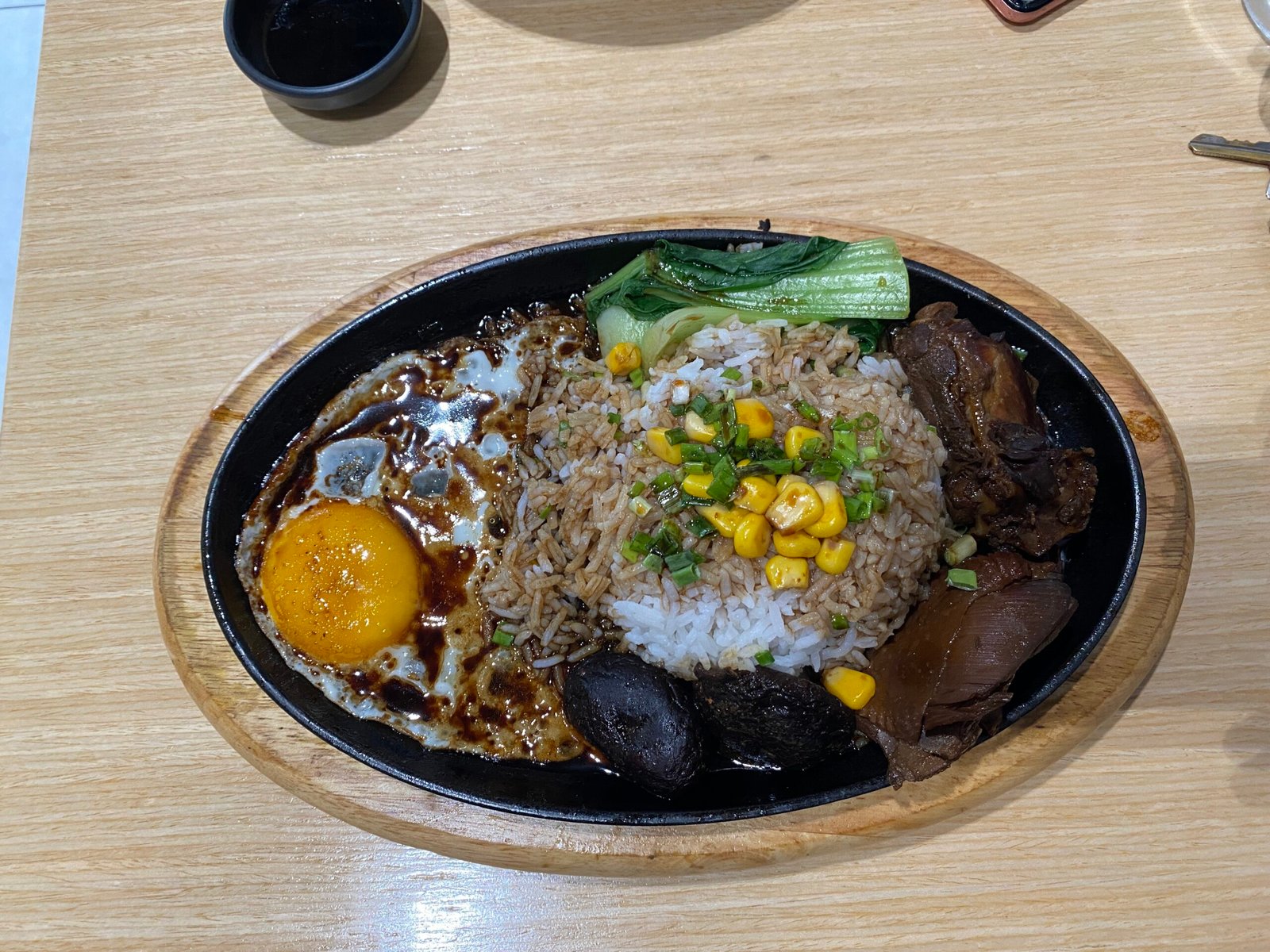
A sizzling hot plate, the kind of meal you remember.
Getting Around (Transportation)
By air: We flew from KL to Sibu Airport, a little over two hours. The airport also has flights to Kuching and Kota Kinabalu.
Immigration: Remember that Sarawak has its own entry check (see the box above).
In town: My friend’s dad picked us up from the hotel, and we mostly moved around with her family. If you are on your own, Grab works in Sibu.
By boat: Express boats run upriver to towns like Kapit and Belaga.
Walking: The town centre is compact, and the roads are calm and not crowded.
Final Thoughts
Sibu is not a place with theme parks or big sights. If you come with a checklist, you might finish it in a day. But if you go slow, eat with locals and say yes when someone invites you home, Sibu gives you something many bigger cities can’t. For me, it was three calm days, a bowl of bitter herbal soup and a family table I won’t forget.
Have you been to Sibu, or do you call it home? Tell me your favourite spot or dish on Instagram @traveltreattogether!
Go slow, eat with locals, and if someone invites you home for dinner, say yes.
About Us
We’re three friends who met in Malaysia and turned our love for travel and food into Travel Treat Together. Full-time professionals who never quit our jobs — just found a way to make every trip count.
Travel Treat Together is a travel blog for working professionals who want to see the world without quitting their jobs. Explore destination guides, itineraries and stories from across Asia and beyond.