Ubud · Nusa Penida · Seminyak — Three Places, One Unforgettable Island
By Travel Treat Together5 April 20269 min read
Table of Contents
Bali is one of those places you hear about so often that you start to wonder if it’s been overhyped. Then you land. The warm air hits you, the smell of incense is everywhere, and you see your first temple gate standing between rice fields — and you stop wondering. It’s all true. And then some.
This is a guide to three sides of Bali that couldn’t feel more different from each other — the spiritual heart of Ubud, the raw and dramatic beauty of Nusa Penida, and the golden, sun-soaked energy of Seminyak. Each one is a different version of the island. Together, they give you the full picture.
Why Bali Is Still Worth It
Yes, Bali gets a lot of visitors. Yes, you’ll see tourist spots that are crowded. But Bali isn’t just one thing. It stretches from jungle interiors to cliff edges, from surf beaches to sacred mountains. The people are warm, the food is cheap and delicious, and the culture is unlike anything else in Southeast Asia.
What makes Bali special is that it doesn’t hide its soul behind the tourism. The ceremonies still happen. The offerings are still placed every morning on doorsteps. The temples are still alive. You just have to look a little beyond the pool parties and you’ll find something that stays with you long after you leave.
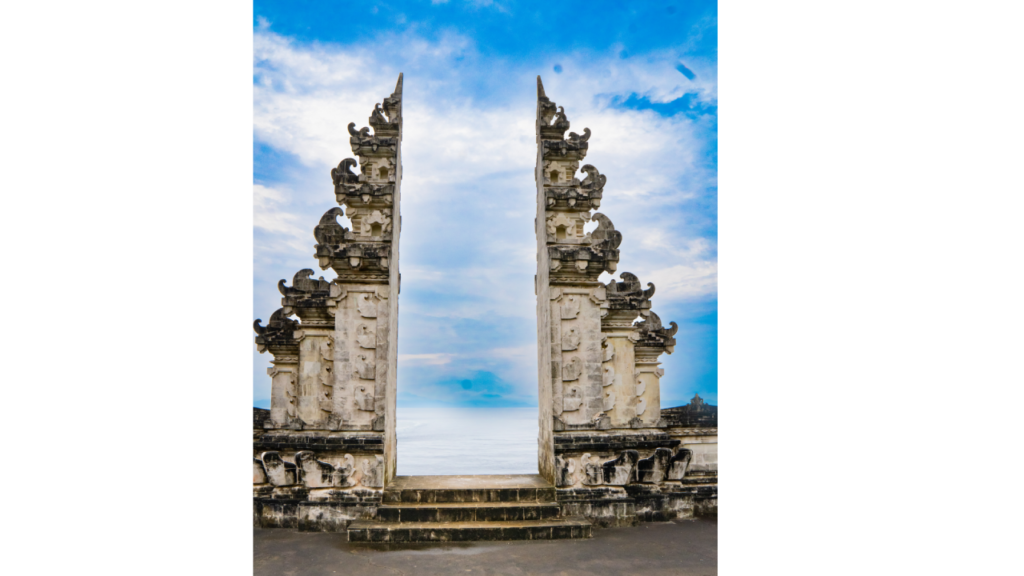
Pura Tirta Empul — Holy Spring Temple
Bali doesn't ask you to slow down. It just makes you want to.
Ubud — The Soul of Bali
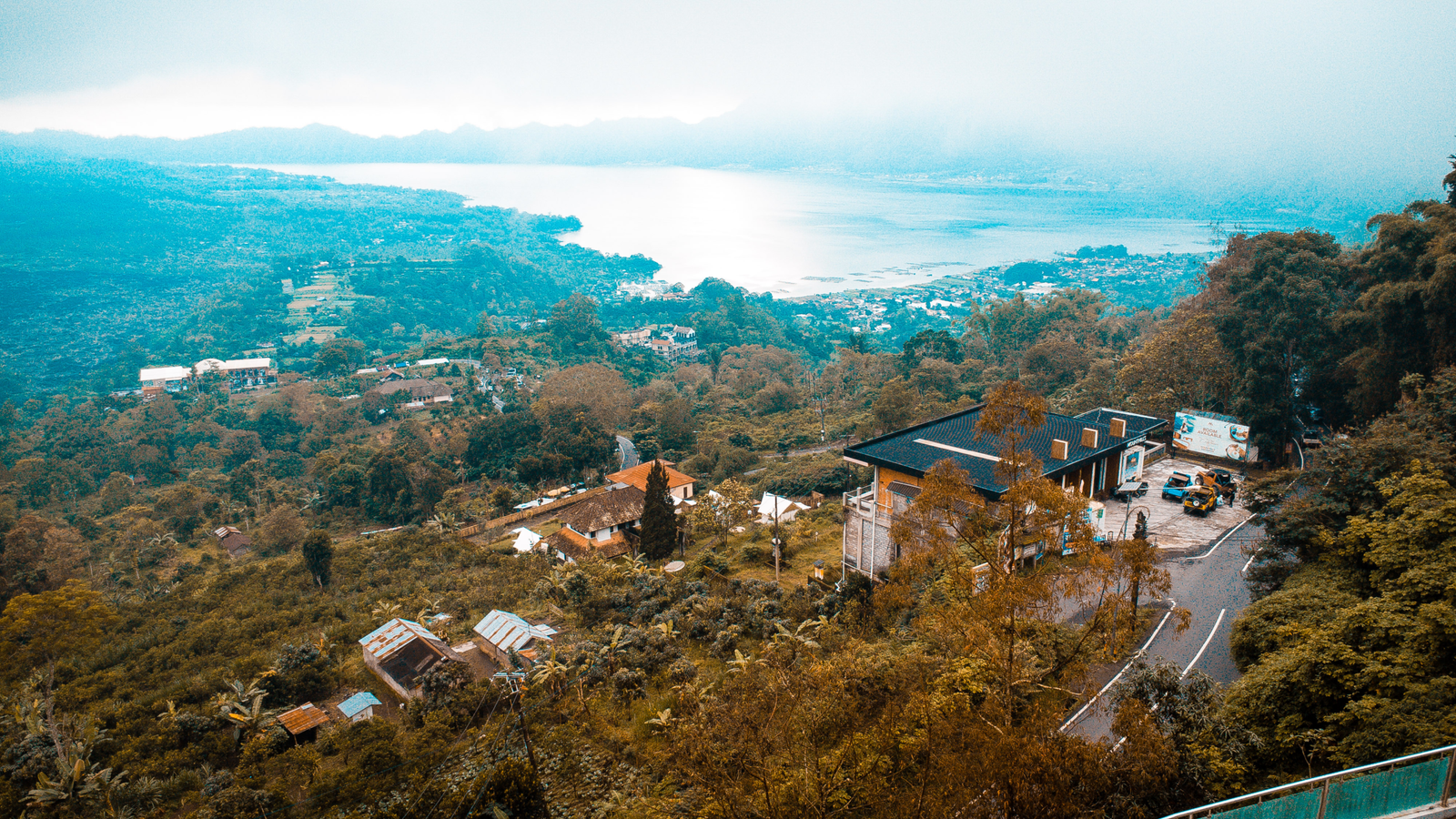
If Bali has a heartbeat, it’s in Ubud. Sitting inland, surrounded by rice terraces and jungle, Ubud is the cultural centre of the island. This is where Bali’s art, music, dance, and spirituality all come together in one place.
It feels different the moment you arrive. The pace is slower. The air is cooler. The roads are lined with small temples, art galleries, and cafes where people sit for hours reading and thinking. Ubud isn’t trying to be a party destination — and that’s exactly what makes it so good.
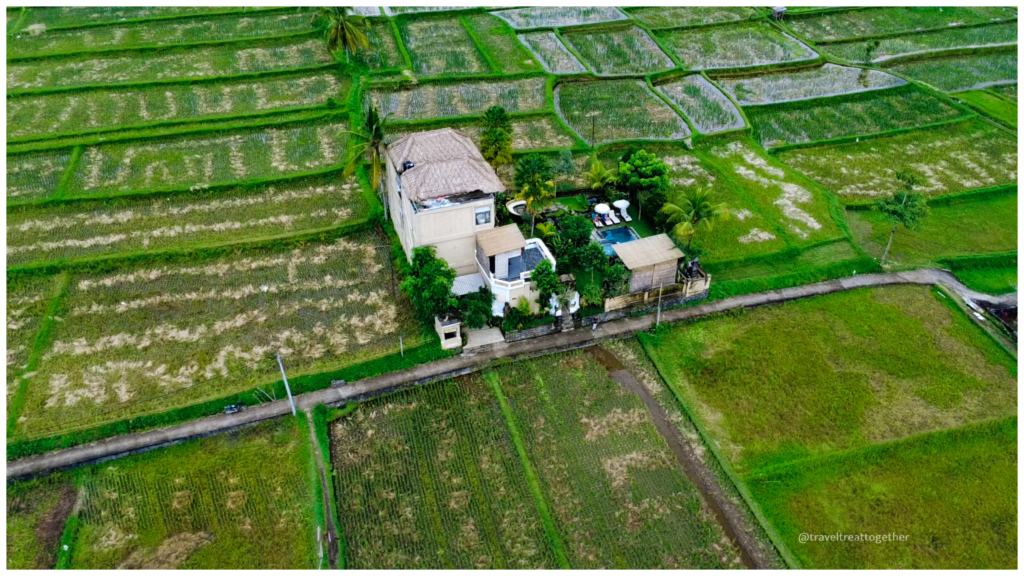
The Nenggala Suite, Bali
Watch the journey
Must-Visit in Ubud
Sacred Site
Tegallalang Rice Terraces
One of the most photographed spots in all of Indonesia. The terraces are layered down a valley in deep green steps — a result of an ancient irrigation system called subak that has been used for centuries. Visit early morning before the crowds arrive and the light is still soft.
Tip: Skip the overpriced swings. Just walk the terraces and take it all in.
Temple
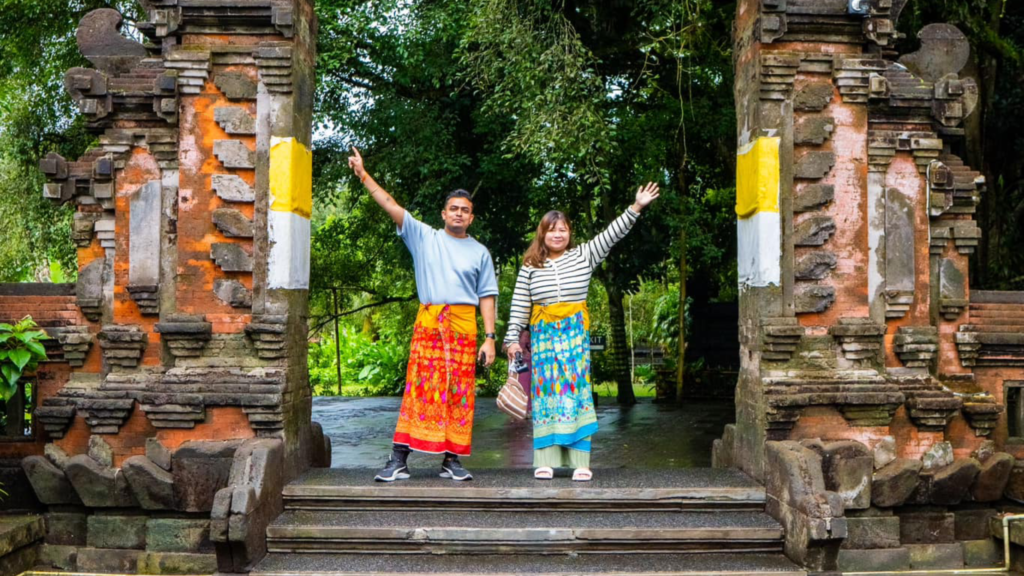
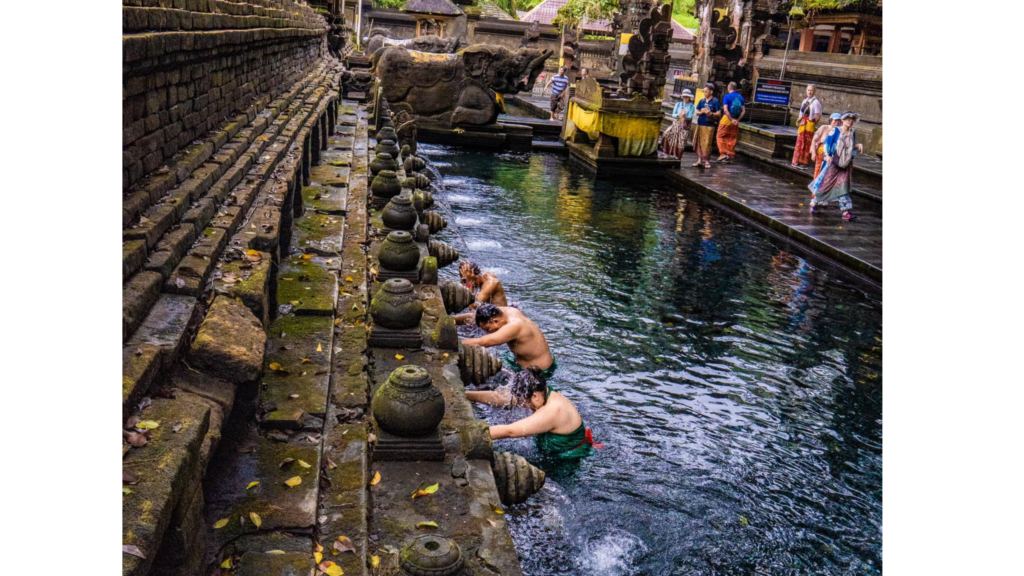
Pura Tirta Empul — Holy Spring Temple
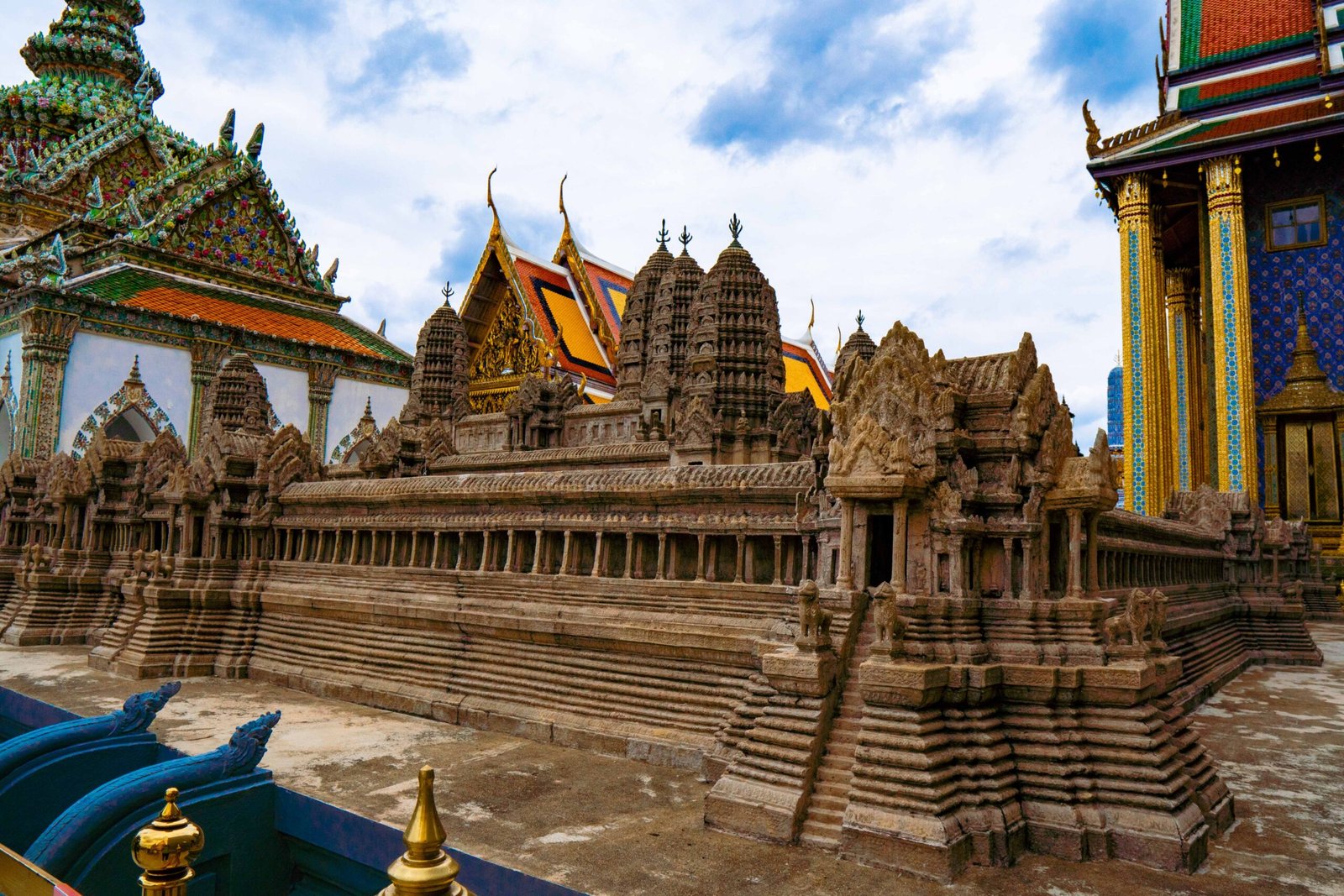
A Hindu temple built around a natural spring that Balinese people consider sacred. Visitors can participate in a cleansing ritual by moving through a series of fountains – each one with a different purpose. It’s a real, living ceremony, not a performance for tourists. Dress respectfully.
Tip: Sarongs are provided at the entrance. Arrive early for a quieter, more personal experience.
Nature
Campuhan Ridge Walk
A 9-kilometre walk along a narrow ridge between two rivers, through green hills and open countryside. No entry fee. No ticket. Just you, the path, and Bali’s landscape. Early morning is perfect — it’s cool, quiet, and the light is beautiful for photos.
Tip: Wear comfortable shoes. The path is uneven in places but nothing too challenging.
Culture
Ubud Palace & Kecak Fire Dance
The royal palace sits right in the centre of town. In the evenings, the outdoor stage hosts the Kecak fire dance — a traditional Balinese performance where a circle of men chant rhythmically while telling stories from the Hindu epic Ramayana. Watching it by torchlight is something else entirely.
Tip: Buy tickets in advance. Evening performances often sell out, especially on weekends.
Pura Tirta Empul — Holy Spring Temple
Local Food to Try in Ubud
Nasi campur (mixed rice plate), babi guling (suckling pig — the famous one is at Ibu Oka), and fresh coconut with local fruit. Ubud has incredible warungs (small local eateries) that serve real Balinese food for a fraction of the cafe prices
Nusa Penida — Raw, Dramatic, Unforgettable
Nusa Penida is not the polished, resort-ready side of Bali. It is rugged. The roads are rough. The cliffs are dramatic. The water is a colour you won’t believe until you’re standing in front of it. And that’s exactly why people go.
This small island sits about 45 minutes by speedboat from Sanur in Bali. It’s developed enough to be accessible but wild enough to feel like a real adventure. If you want the most dramatic landscapes in all of Indonesia, Nusa Penida delivers without question.
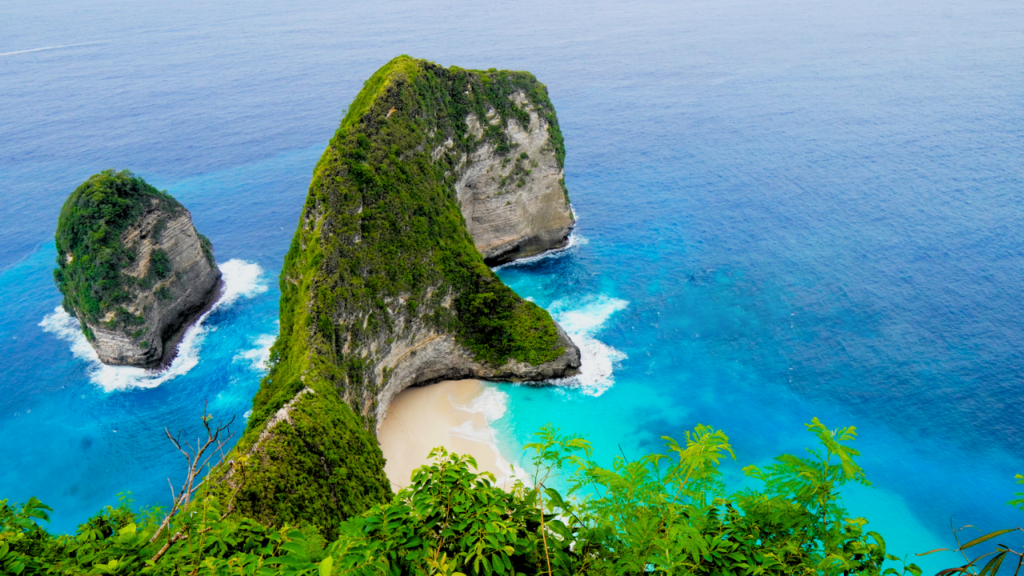
Kelingking Beach, Penida, Bali
Must-Visit in Nusa Penida
Iconic Viewpoint
Kelingking Beach — T-Rex Cliff
You’ve seen this photo. A peninsula of rock shaped like a T-Rex head, with a white sand beach below and turquoise water wrapping around it. It’s every bit as stunning in real life. You can hike down to the beach — it takes about 45 minutes and is steep — but the view from the top alone is worth the trip.
Tip: Go at sunrise if you can. No crowds, soft golden light, and the colours of the water are incredible early in the morning.
Natural Pool
Angel’s Billabong & Broken Beach
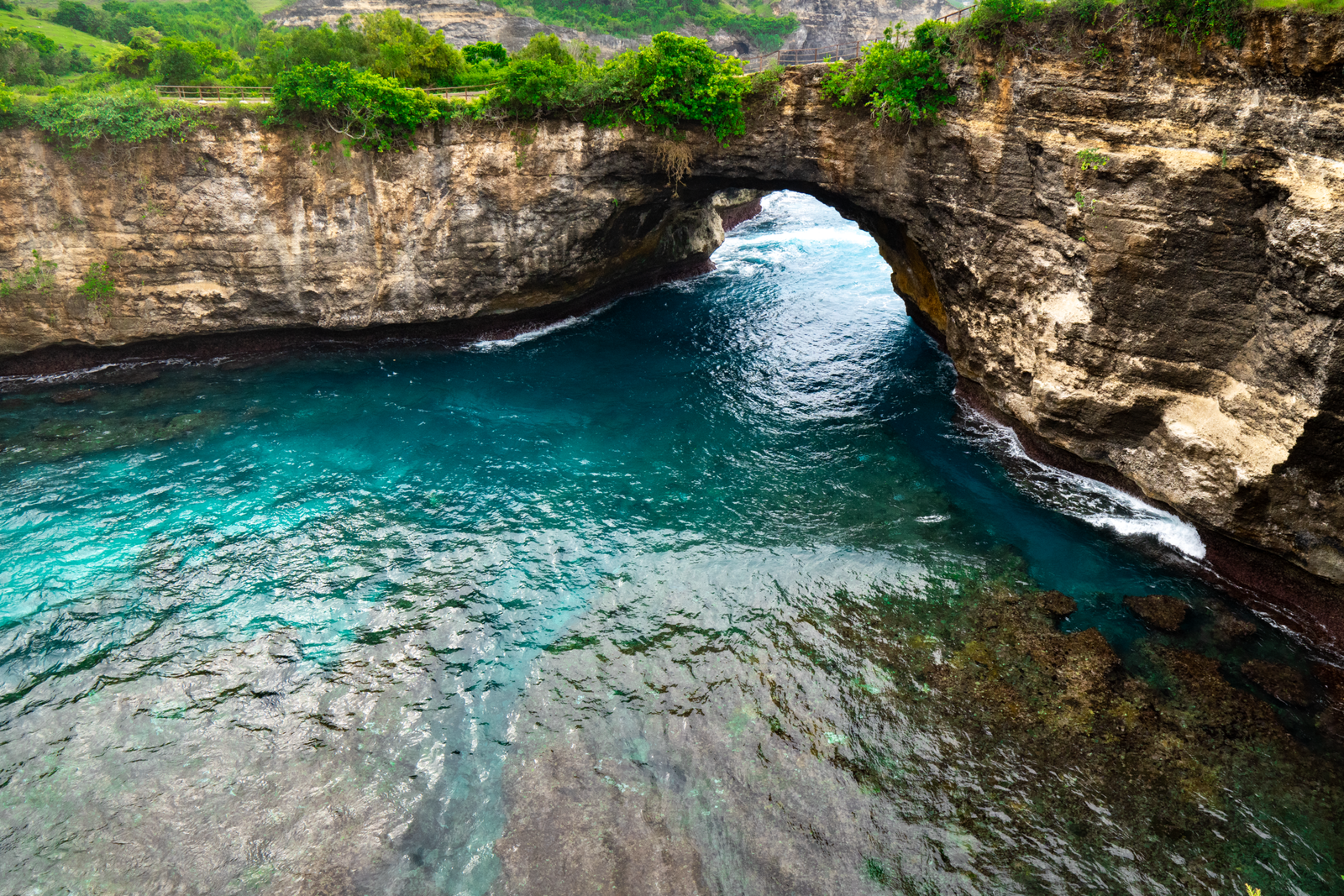
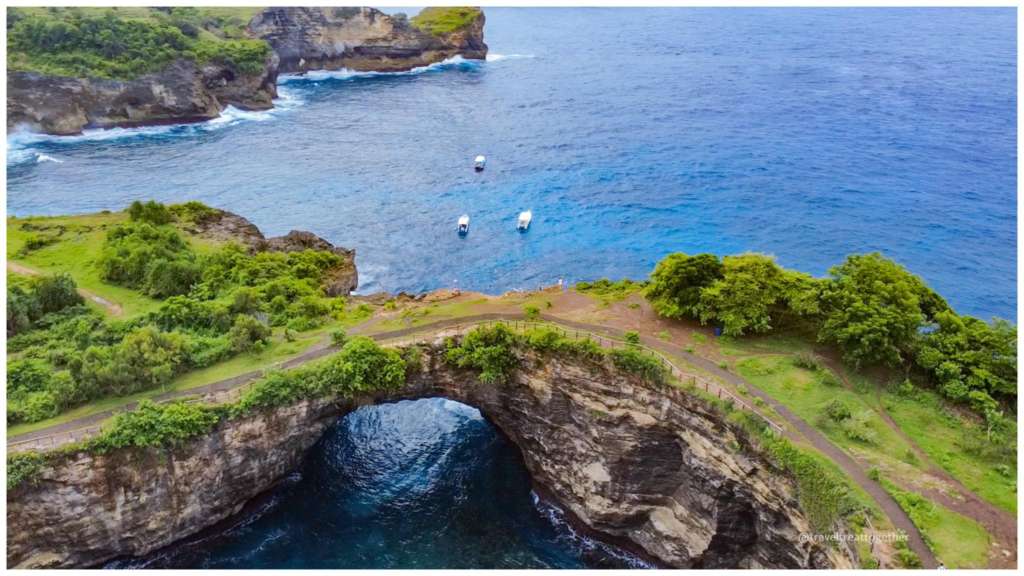
Angel’s Billabong is a natural infinity pool carved into the rock by the ocean. At low tide, the water is clear and calm enough to swim in. Right next to it is Broken Beach — a circular cove where the rock arch frames the open sea like a natural window. Both spots are just minutes from each other.
Tip: Check tide times before going. Angel’s Billabong is dangerous at high tide.
Crystal Water
Crystal Bay
One of the best snorkelling spots in Indonesia. The water is calm, clear, and full of marine life — including the chance to spot a Mola Mola (ocean sunfish) if you’re there between July and October. Even without the big fish, the coral and the colour of the water alone are worth it.
Getting to Nusa Penida Take a speedboat from Sanur Beach. The journey takes 30–45 minutes and boats run throughout the day. Book through a local agent at the pier for the best rates. Once on the island, rent a scooter or hire a driver for the day — roads are rough, so a local driver is worth the extra cost.
Broken Beach, Nusa Penida, Bali, Indonesia
Seminyak — Sunsets, Surf & Good Vibes
If Ubud is Bali’s soul and Nusa Penida is its wild side, then Seminyak is where Bali lets its hair down. This is the stylish, beachfront neighbourhood on Bali’s southwest coast — lined with boutique hotels, rooftop bars, beach clubs, and some of the best food on the island.
Seminyak isn’t the place for deep culture or adventure. It’s the place you go when you want to sit at a beach bar, watch the sunset turn orange over the Indian Ocean, and feel completely at ease. After a few days of temples and hiking, there’s nothing wrong with that at all.
Must-Do in Seminyak
Iconic Experience
Sunset at Seminyak Beach
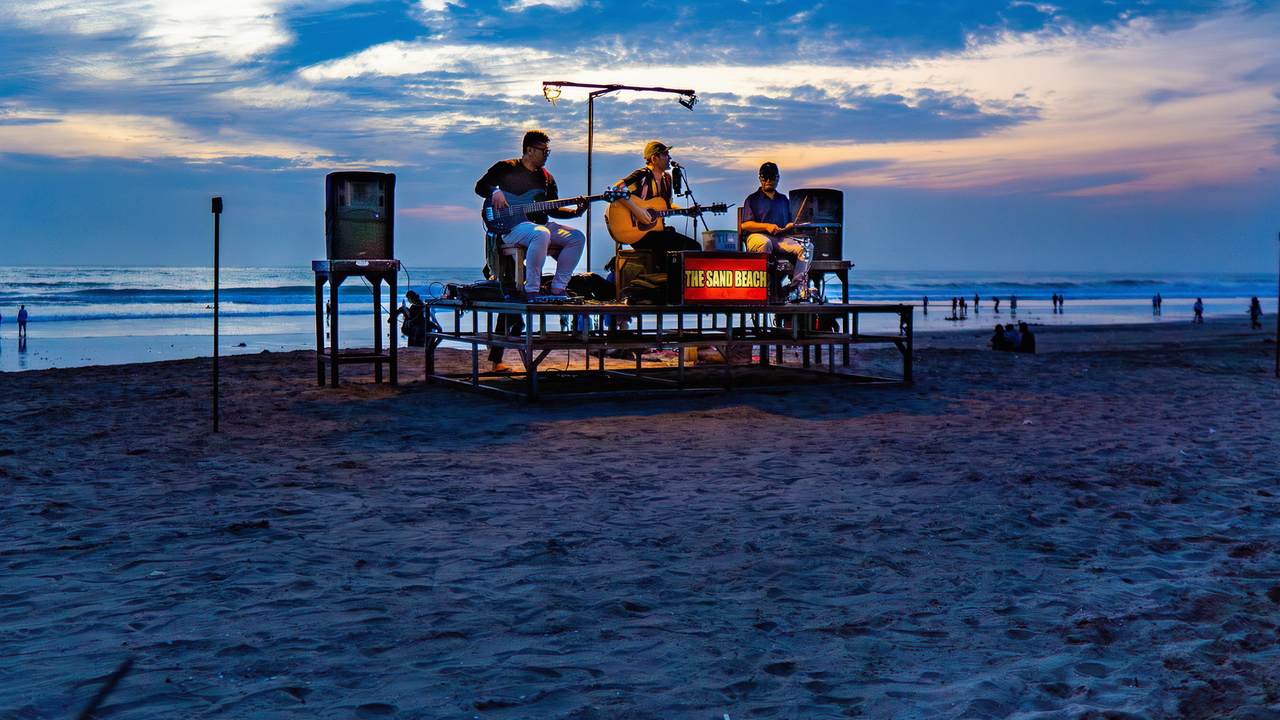
Bali’s sunsets are famous for a reason. Standing at Seminyak Beach as the sun drops into the Indian Ocean — the sky turning red, then orange, then purple — is one of those moments that’s hard to put into words. Every evening, locals and travellers gather here just to watch. Don’t miss it.
Tip: Grab a spot at one of the beachfront warungs with a cold Bintang beer. You won’t need to go anywhere else.
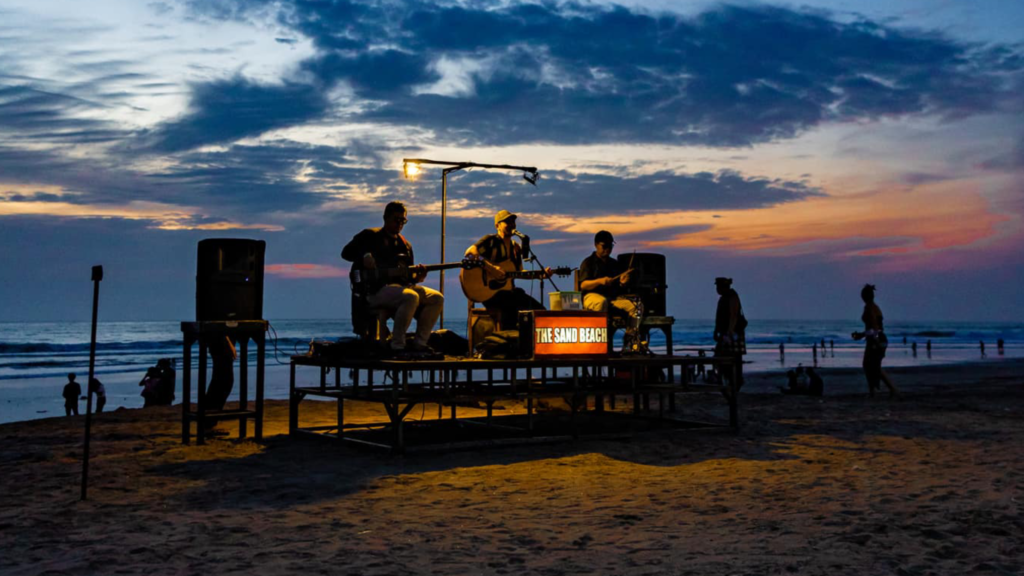
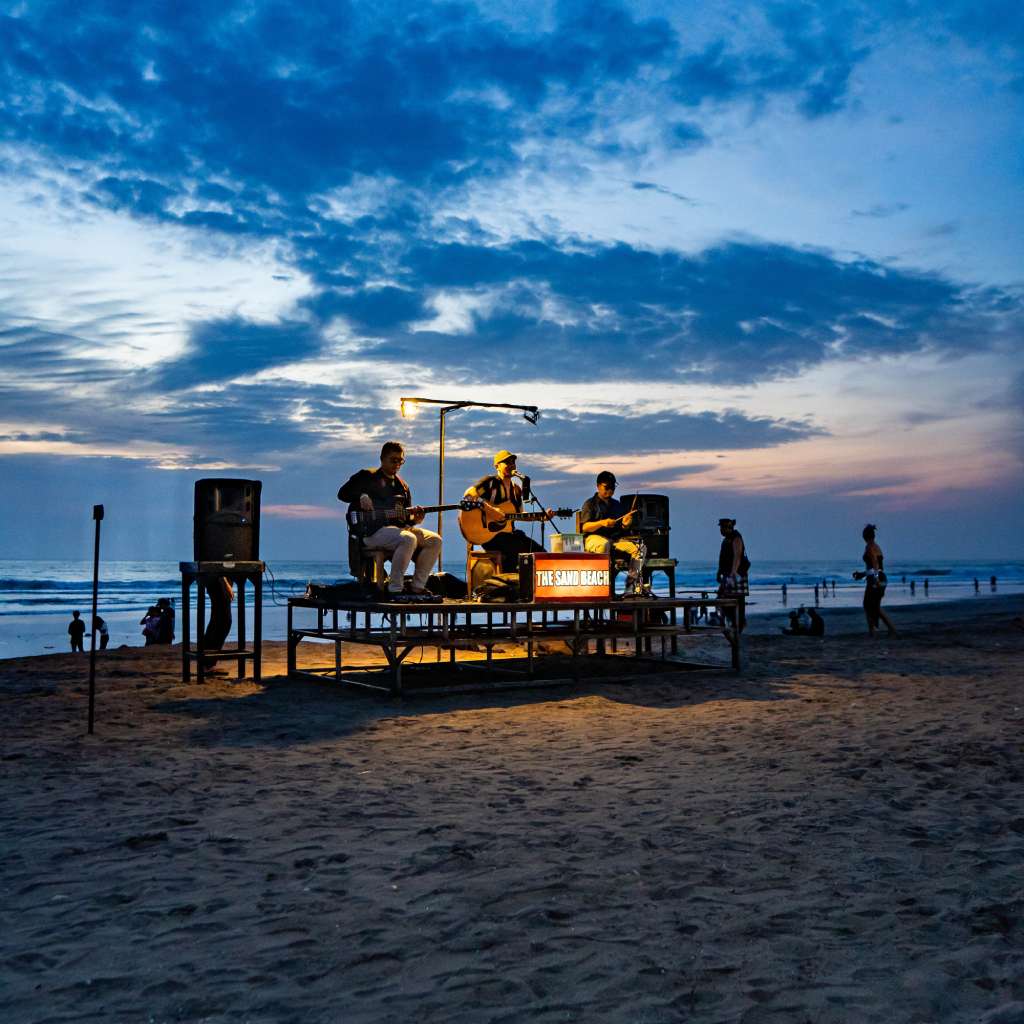
The Sand Beach, Seminyak, Bali
Food & Shopping
Eat Street & Local Warungs
Seminyak has some excellent restaurants — from fresh seafood to Indonesian classics. But don’t overlook the small warungs tucked into the side streets. A plate of nasi goreng (fried rice) or mie goreng (fried noodles) from a local spot will cost you almost nothing and taste better than most of the fancy places.
Tip: Walk Jalan Kayu Aya (Eat Street) in the evening. The energy is great and the food options are endless.
Seminyak vs Kuta vs Canggu
If you’re wondering which beach area to choose — Kuta is louder and more budget-focused, Seminyak is mid-range with a polished feel, and Canggu (just north) is more laid-back with a surfer-café culture. Most travellers who’ve been to all three end up preferring Seminyak or Canggu. Try to spend at least a day in Canggu too if you can.
Weather & Best Time to Visit Bali
Bali’s tropical climate means it’s always warm, but the rain can change your plans.
Dry Season (Apr → Oct): The best time for beaches and outdoor adventures. Expect clear skies and lower humidity. This is peak season—book early!
Wet Season (Nov → Mar): You’ll see short afternoon rains and a lush, green landscape. It’s quieter and cheaper, making it a great time to explore Ubud.
The Sweet Spot (Jun → Aug): The best overall weather. It’s busy, so aim to book your flights and hotels 2–3 months in advance.
Practical Tips for Bali
Getting Around: Use Grab or Gojek (the local favorites) in main areas. For Nusa Penida, it’s best to hire a local driver. If you rent a scooter, be extra careful on steep mountain roads.
Respect the Culture: Always cover up at temples; sarongs are usually provided. Be mindful not to step on daily offerings (Canang sari) on the ground, and always ask before photographing ceremonies.
Cash & SIM: Cash is king at local markets and warungs. Grab a local SIM at the airport—Telkomsel offers the best coverage.
Drink Safely: Stick to bottled or filtered water. While most cafes and restaurants are safe, be cautious with ice at smaller street stalls.
For Content Creators: Bali is a dream for vlogs, but be sure to check drone no-fly zones, especially around sacred temples.
Currency: You’ll be dealing with Indonesian Rupiah (IDR). At roughly 16,000 IDR to $1 USD, Bali is very affordable—you can grab a great local meal for as little as 30,000–50,000 IDR.
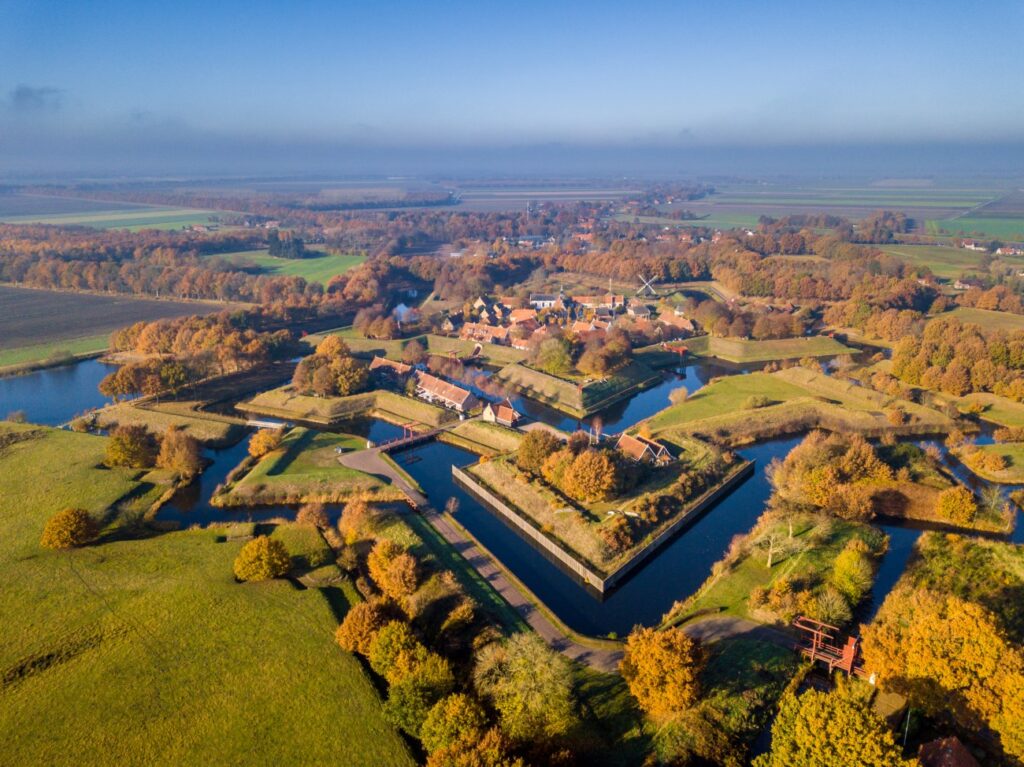
Amarta Penida,Penida, Bali
Final Thoughts
Bali gives you something different depending on who you are and what you’re looking for. Ubud gives you stillness, culture, and a connection to something older than yourself. Nusa Penida gives you raw, breathtaking nature that reminds you how small you are. Seminyak gives you the space to unwind, eat well, and watch beautiful sunsets without a single plan.
You don’t have to choose just one. That’s the thing about Bali — it’s small enough to move between these worlds in a single trip. Spend three days in each and you’ll come back with three completely different sets of memories from the same island.
It’s the kind of place that makes you want to come back before you’ve even left. And chances are, you will.
Go find your version of Bali. It’s waiting.
About Us
We’re three friends who met in Malaysia and turned our love for travel and food into Travel Treat Together. Full-time professionals who never quit our jobs — just found a way to make every trip count.
Travel Treat Together is a travel blog for working professionals who want to see the world without quitting their jobs. Explore destination guides, itineraries and stories from across Asia and beyond.