Art & Culture: Discover Local Traditions — Everything You Need to Know

A complete guide for curious minds and passionate explorers

What Is Art & Culture?

Art and culture are the soul of every community. Art is how people express feelings, ideas, and stories — through painting, music, dance, food, and more. Culture is the way people live — their beliefs, habits, festivals, language, and values passed down from generation to generation.

Together, they tell us who we are and where we come from.

Why Local Traditions Matter

Local traditions are not just old customs. They are living stories. They connect the young with the old. They remind people of their roots. And they make every place on earth unique and special.

Here is why they are important:
  • Identity — They give people a sense of belonging.
  • Memory — They keep history alive.
  • Community — They bring people together.
  • Pride — They celebrate what makes a place special.
  • Tourism — They attract visitors from around the world.

Types of Local Art & Cultural Traditions

1. Visual Arts

Visual arts include painting, sculpture, weaving, pottery, and crafts. Every region has its own style. In Malaysia, for example, batik fabric painting uses beautiful wax-resist patterns. In Japan, origami (paper folding) is both an art and a tradition. In Africa, tribal masks carry deep spiritual meaning.

What to look for:

  • Local art galleries and craft markets
  • Street murals and public art
  • Handmade crafts by local artisans

2. Performing Arts

Performing arts are art forms that happen live — in front of an audience.

Common types include:
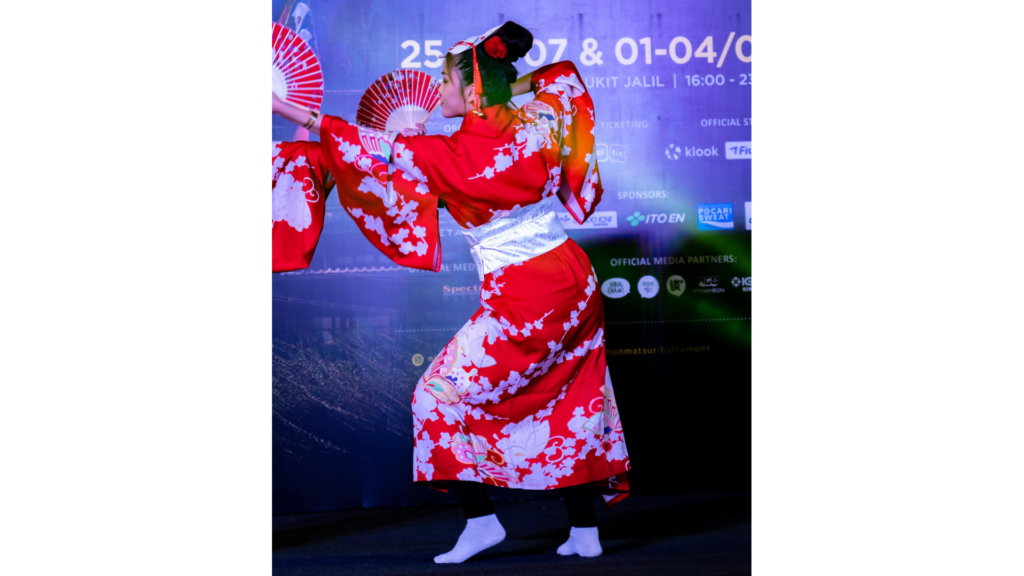
  • Traditional Dance — Every culture has its own dance. Flamenco in Spain, Bharatanatyam in India, Joget and Zapin in Malaysia, Haka in New Zealand.
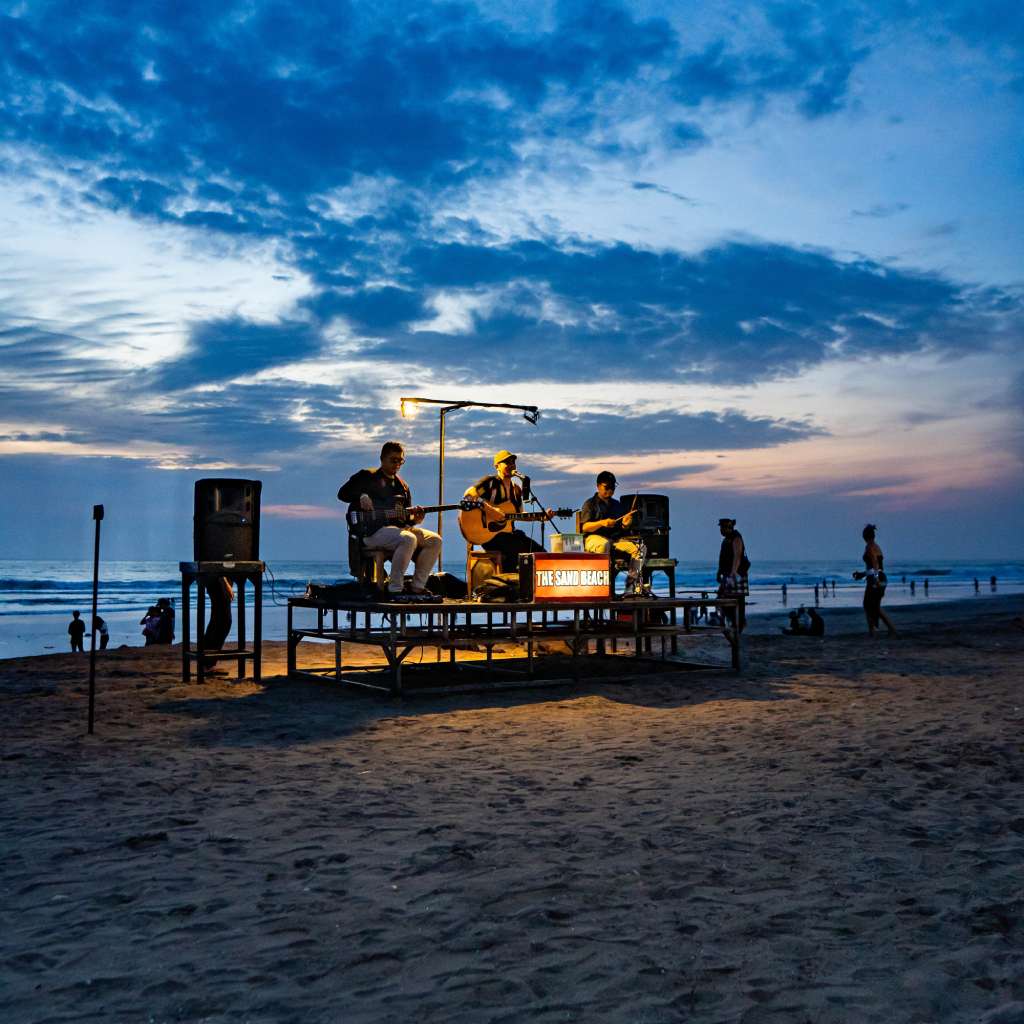
  • Music — Local instruments, folk songs, and chants carry the spirit of a culture.
  • Theatre & Storytelling — Shadow puppets (wayang kulit), opera, and oral storytelling pass down legends and moral lessons.
  • Martial Arts as Culture — Silat in Southeast Asia, Capoeira in Brazil, and Kung Fu in China are all art forms tied deeply to culture.

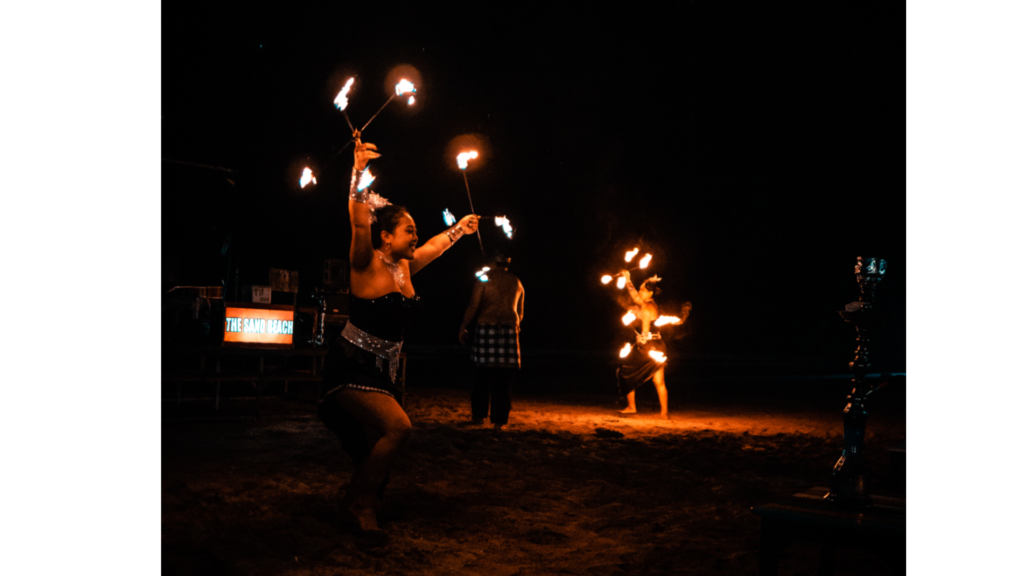
3. Festivals & Celebrations

Festivals are culture in action. They are full of color, sound, food, and emotion.

FestivalCultureWhat Happens
Hari Raya AidilfitriMalay/MuslimOpen houses, prayers, family visits
Chinese New YearChineseLion dance, firecrackers, red packets
DeepavaliIndian/HinduOil lamps, sweets, colorful rangoli
Wesak DayBuddhistPrayers, lanterns, processions
GawaiIban/Dayak (Sarawak)Harvest festival, rice wine, traditional dress
ChristmasChristian communitiesCarols, gifts, church gatherings

These festivals are moments where culture comes fully alive — food, clothes, prayers, and music all happening at once.
4. Traditional Food

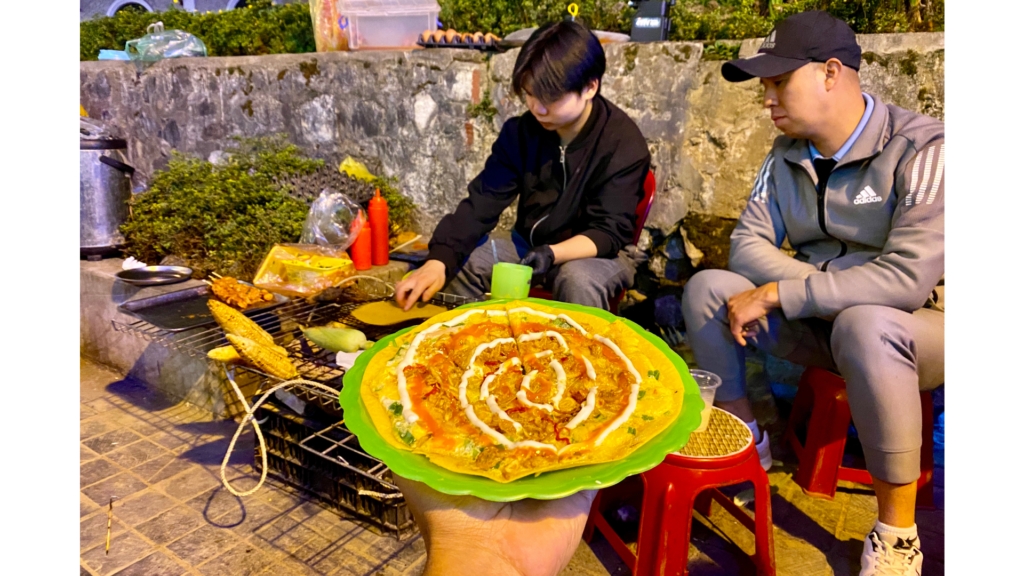
Food is culture on a plate. What people eat — and how they eat it — tells you everything about their way of life.

  • Recipes passed down through generations carry history in every bite.
  • Communal eating (sharing from one big pot or eating on the floor together) shows values like togetherness and humility.
  • Local spices and ingredients reflect the geography and trade history of a place.
  • Street food culture shows how ordinary people eat every day.

Examples: Nasi lemak and rendang in Malaysia. Sushi and ramen in Japan. Biryani in South Asia. Tagine in Morocco. Tacos in Mexico.
5. Traditional Clothing

What people wear is a window into their identity.

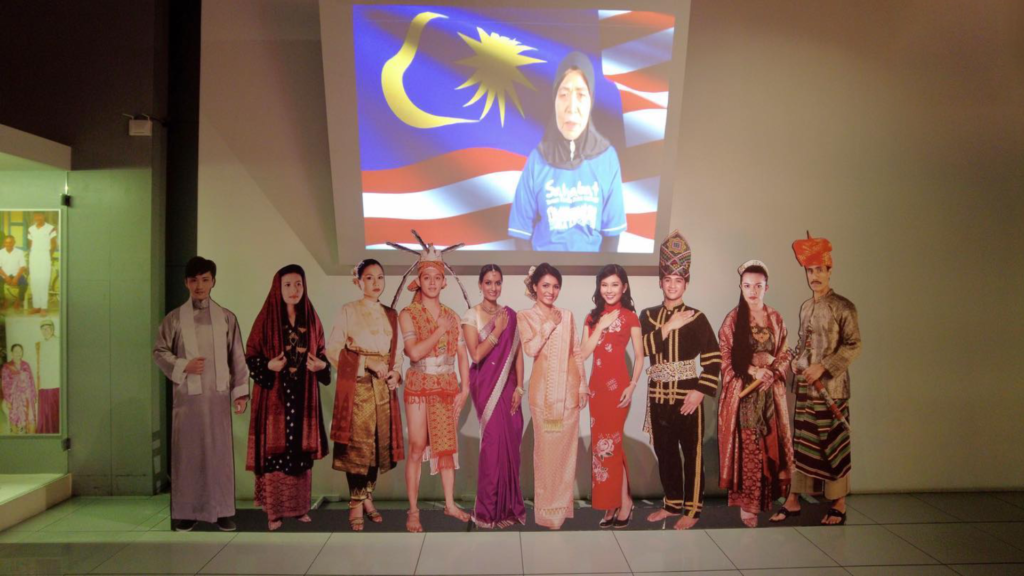
  • Malaysia: Baju Melayu, Baju Kurung, Cheongsam, Sari
  • Japan: Kimono
  • India: Sari, Kurta
  • Scotland: Kilt
  • Native cultures worldwide: Beaded garments, feathered headdresses

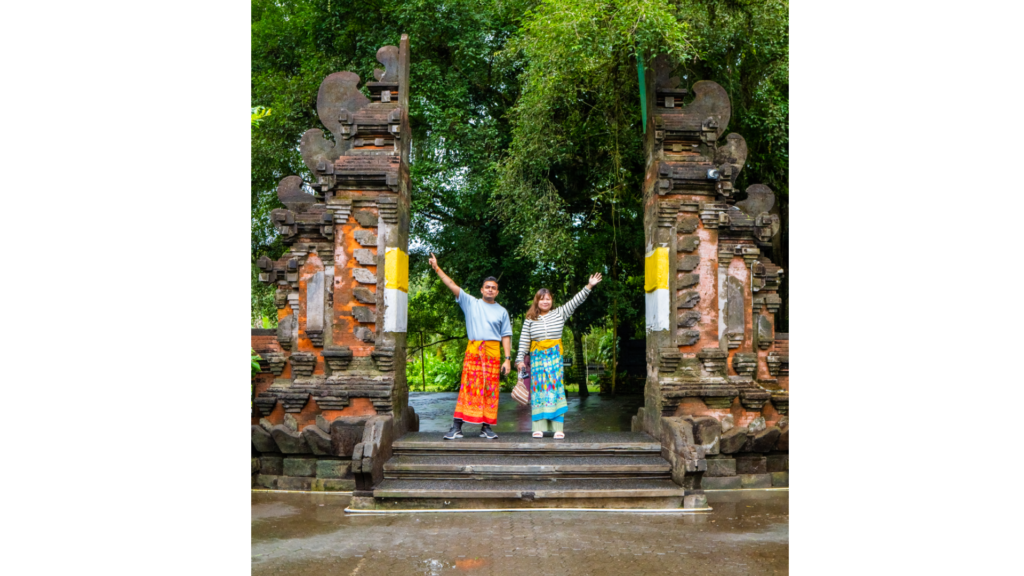
Traditional clothing is often worn during festivals, ceremonies, and special occasions. Each color, pattern, and fabric has meaning.
7. Language & Oral Traditions

Language is perhaps the most powerful cultural art form.

  • Proverbs and sayings (peribahasa in Malay) hold wisdom in a few words.
  • Folk stories and legends teach children right from wrong.
  • Songs and poems preserve history better than textbooks.
  • Local dialects carry personality — the way people talk in one village can be completely different from the next.

When a language disappears, an entire world of knowledge disappears with it.

8. Handicrafts & Traditional Skills

These are skills passed from hand to hand across generations:

  • Batik — Fabric dyeing using wax patterns
  • Songket — Gold and silver thread weaving
  • Rattan weaving — Making baskets, mats, furniture
  • Pottery and ceramics — Shaping clay into everyday beauty
  • Wood carving — Used in homes, boats, and temples
  • Silversmithing — Jewelry and decorative crafts

These crafts are not just beautiful — they are a way of life. Learning them takes years of patience and dedication.
How to Experience Local Art & Culture

You do not have to travel far to discover culture. Here is how:
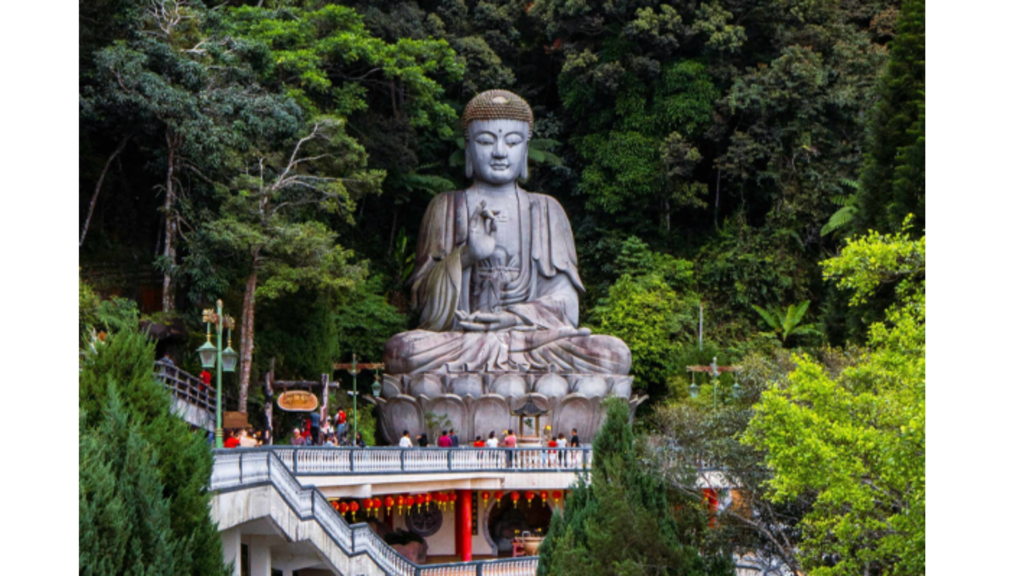
If You Are Visiting a New Place:
  1. Visit local museums — They give you the full picture fast.
  2. Walk through old neighborhoods — Culture lives in everyday streets, not just tourist spots.
  3. Eat at local eateries — Avoid international chains. Eat where the locals eat.
  4. Attend a festival or market — Even a small weekend market shows local life.
  5. Watch a live performance — Traditional dance, music, or theatre.
  6. Talk to people — The best stories come from locals, not guidebooks.
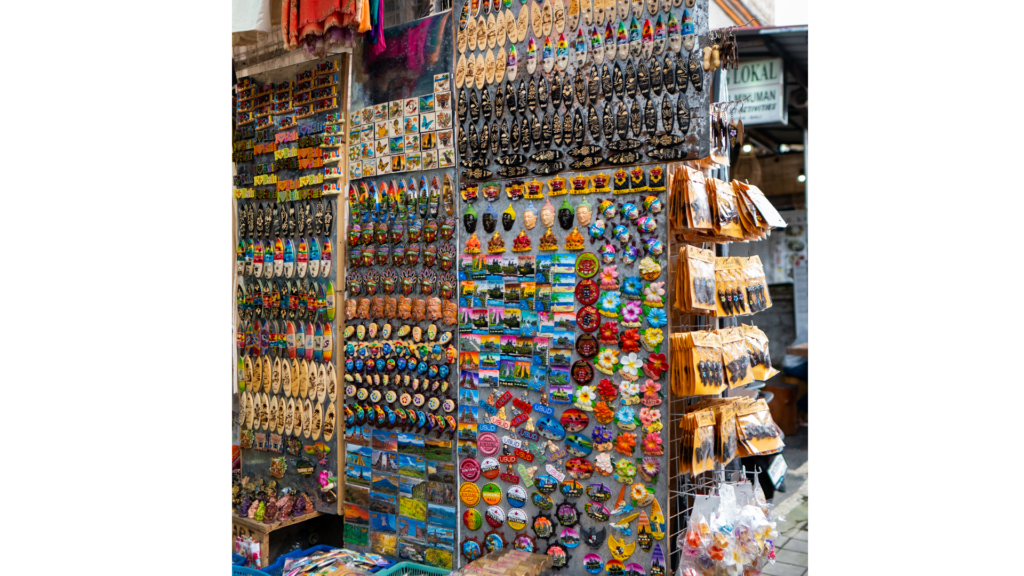
  7. Buy handmade crafts — Support local artisans directly.
In Your Own City:
  • Visit cultural centers and art galleries.
  • Attend community festivals.
  • Take a cooking or craft class.
  • Read local history books.
  • Learn a few words of a different local language.

Common Misconceptions About Local Culture

āŒ “Old traditions are outdated.” āœ… Many traditions are evolving and very much alive. They adapt to modern times while keeping their core meaning.

āŒ “You need to be from a culture to appreciate it.” āœ… Respectful curiosity is always welcome. Engage, ask questions, and listen.

āŒ “Culture is only for tourists.” āœ… Culture is for everyone, especially the people who live it every day.

āŒ “All cultures are the same.” āœ… Even neighboring villages can have completely different traditions, foods, and artistic styles.
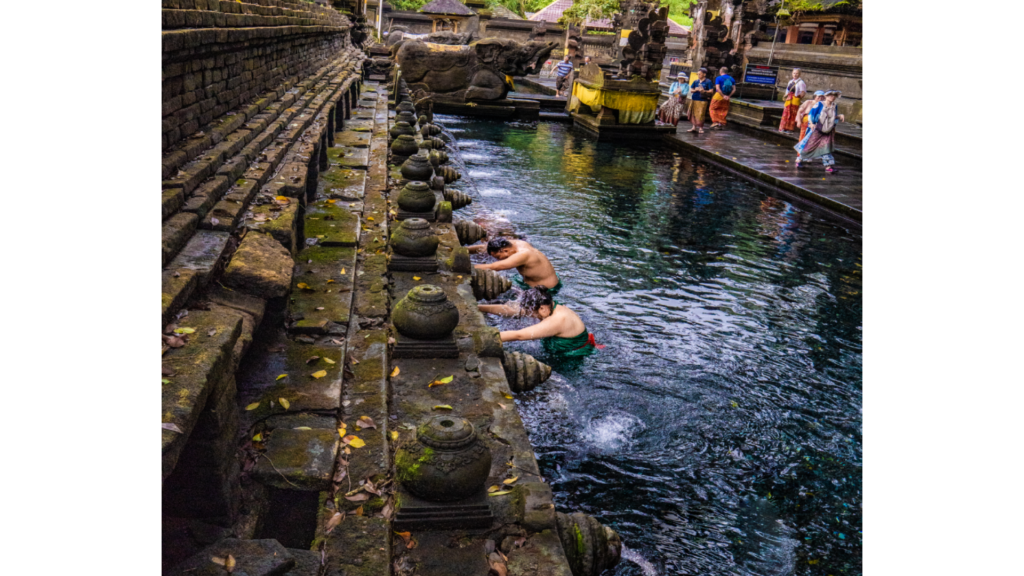
Why Culture Is Under Threat — And What We Can Do

Many local traditions are slowly disappearing. Here is why:
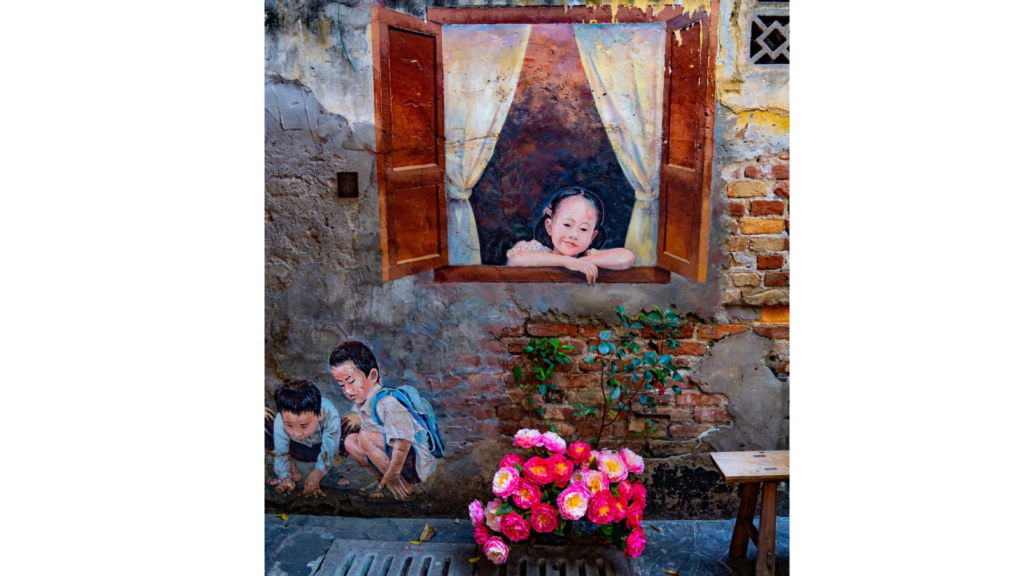
  • Urbanization — Young people move to cities and leave old ways behind.
  • Globalization — Global pop culture slowly replaces local art.
  • Lack of documentation — Old knowledge is not written down before elders pass away.
  • Economic pressure — Traditional crafts cannot compete with cheap factory goods.

What Can Help:

  • Supporting local artists and craftspeople financially.
  • Teaching traditional skills in schools.
  • Documenting oral histories, songs, and stories.
  • Cultural tourism that respects and gives back to communities.
  • Government policies that protect heritage sites and practices.

How Art & Culture Boost the Economy

Culture is not just beautiful — it is also smart economics.

  • Tourism — Cultural tourism is one of the fastest-growing travel sectors worldwide.
  • Creative industries — Film, music, fashion, and design are major economic drivers.
  • Local crafts and food — Small businesses built on tradition create real livelihoods.
  • Cultural events — Festivals bring in visitors who spend on hotels, food, and transport.

A city that invests in its culture invests in its future.

Final Thoughts: Culture Is a Living Thing

Art and culture are not museum pieces behind glass. They are alive in the food you cook, the songs you sing, the clothes you wear, and the stories you tell your children.

Every time you attend a local festival, buy a handmade craft, or simply sit down to share a traditional meal — you are keeping culture alive.

Explore it. Respect it. Celebrate it.

The world is richer because every corner of it is different. And those differences — those beautiful, delicious, colorful, musical differences — are what art and culture are all about.

Written with love for curious explorers everywhere.

Share this:

Like this:

Like Loading...

01

Amsterdam

Lorem ipsum dolor sit amet, consec tetur adipiscing elit. Maece males mas porttitor lectus cursus nec. Ut pharetra metus nec lobortis imperdiet pharetra fermentum.