Festivals in Malaysia: How Deepavali, Thaipusam, Chinese New Year and Hari Raya Bring Everyone Together
Four big festivals, three major religions, and one country that takes a public holiday for all of them. Here is why festival season in Malaysia feels like one big open house.
By Travel Treat Together14 April 20246 min read
Table of Contents
Hey there, fellow festival lovers! 👋
If you’ve ever wondered what it feels like to celebrate four completely different cultures in one single country — pack your bags, because Malaysia is about to blow your mind.
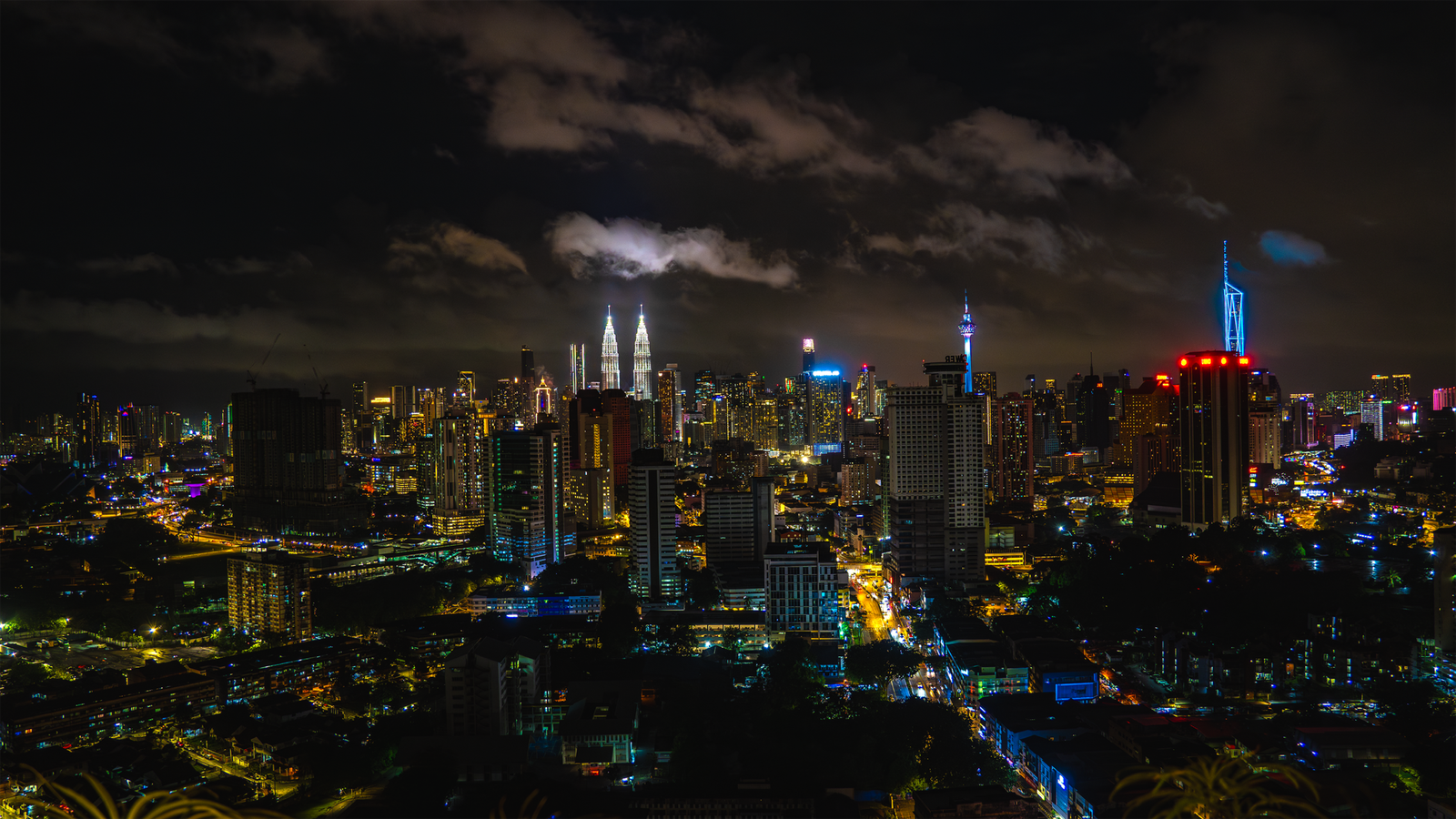
I still remember my first trip to Kuala Lumpur back in May 2016. I landed there thinking I’d just explore the Petronas Towers, eat some good nasi lemak, and maybe do a bit of shopping at Bukit Bintang. But during that trip, I got talking to a local taxi driver — a Malay uncle — and he told me something that completely changed how I saw this country.
He said, “Bro, in Malaysia, we get public holidays for Deepavali, public holidays for Chinese New Year, AND public holidays for Hari Raya. Every religion, every culture — the government gives us a day off to celebrate together.”
I was stunned. Think about that for a second. One country. Three major religions. And ALL of them get national public holidays. Not just one community celebrating while the rest carry on with work. No. The entire country pauses. The entire country celebrates.
That’s when I realized — Malaysia isn’t just a travel destination. It’s a festival paradise.
Today, I’m going to walk you through the four biggest festivals in Malaysia that make this country one of the most culturally rich places on the planet. Whether you’re planning your first Malaysia trip or you’re just curious, this one’s for you.
Let’s dive in! 🎊
One country, many festivals, and everyone gets the day off.
Why Malaysia Is the Ultimate Festival Destination
Here’s the thing about multicultural Malaysia — it’s not just a buzzword they use in tourism brochures. It’s real life.
Malaysia is home to Malays, Chinese, Indians, and dozens of indigenous communities, all living side by side. And what does that mean for you as a traveler? It means almost every month, there’s something incredible to celebrate.
You won’t just watch these Malaysian festivals from the sidelines. You’ll be pulled into them. Someone will offer you food. Someone will explain the rituals. Someone will ask you to join the dance.
And the best part? The government officially recognizes all major festivals with public holidays. Deepavali? Holiday. Chinese New Year? Holiday. Hari Raya? Holiday. That’s not just tolerance — that’s genuine respect. And when I experienced this firsthand during my 2016 KL trip, it hit me hard.
That’s the magic of this country. And the four festivals I’m covering today — Deepavali, Thaipusam, Chinese New Year, and Hari Raya — are the absolute crown jewels.
Deepavali in Malaysia: The Festival of Lights
When: October or November (based on the Hindu lunar calendar) Where to experience it best: Brickfields (Little India), Kuala Lumpur; Penang; Ipoh Public holiday? ✅ Yes — in every state except Sarawak
Okay, let me paint you a picture.
Imagine walking through Brickfields in KL during Deepavali Malaysia celebrations. The entire street is glowing with thousands of oil lamps. The air smells like jasmine flowers and fresh murukku. Colorful kolam (rangoli) designs cover every doorstep, and shop windows are bursting with gold jewelry and silk sarees.
Deepavali, also known as Diwali, is the Hindu Festival of Lights, and in Malaysia, it’s a public holiday. That alone tells you how seriously this country takes its multicultural identity. Malay and Chinese colleagues get the day off too — and most of them use it to visit their Indian friends’ open houses!
What to Expect
Open houses: This is my favorite part. Malaysian Indian families literally open their doors to everyone — neighbors, colleagues, tourists, strangers. You walk in, you eat, you laugh, you leave with a full stomach and a full heart.
Temple visits: Head to the Sri Mahamariamman Temple in KL. The decorations during Deepavali are unreal.
Street food galore: Murukku, laddu, vadai, payasam — your diet plan can wait. 😄
Shopping: Little India turns into a shopper’s paradise with clothes, decorations, and sweets.
My Personal Tip
Don’t just visit during the main day. Go a week before Deepavali to see the preparations. The energy in the markets is electric, and you’ll get the best photos before the big-day crowds arrive.
Thaipusam in Malaysia: Faith, Devotion and Goosebumps
When: January or February (Tamil month of Thai) Where to experience it best: Batu Caves, Selangor (near KL); Penang; Johor Bahru Public holiday? ✅ Yes — in several states including KL, Selangor, Penang, Johor, Perak and Negeri Sembilan
I’ll be honest with you — Thaipusam in Malaysia was the most intense, emotional, and unforgettable experience of my entire travel life.
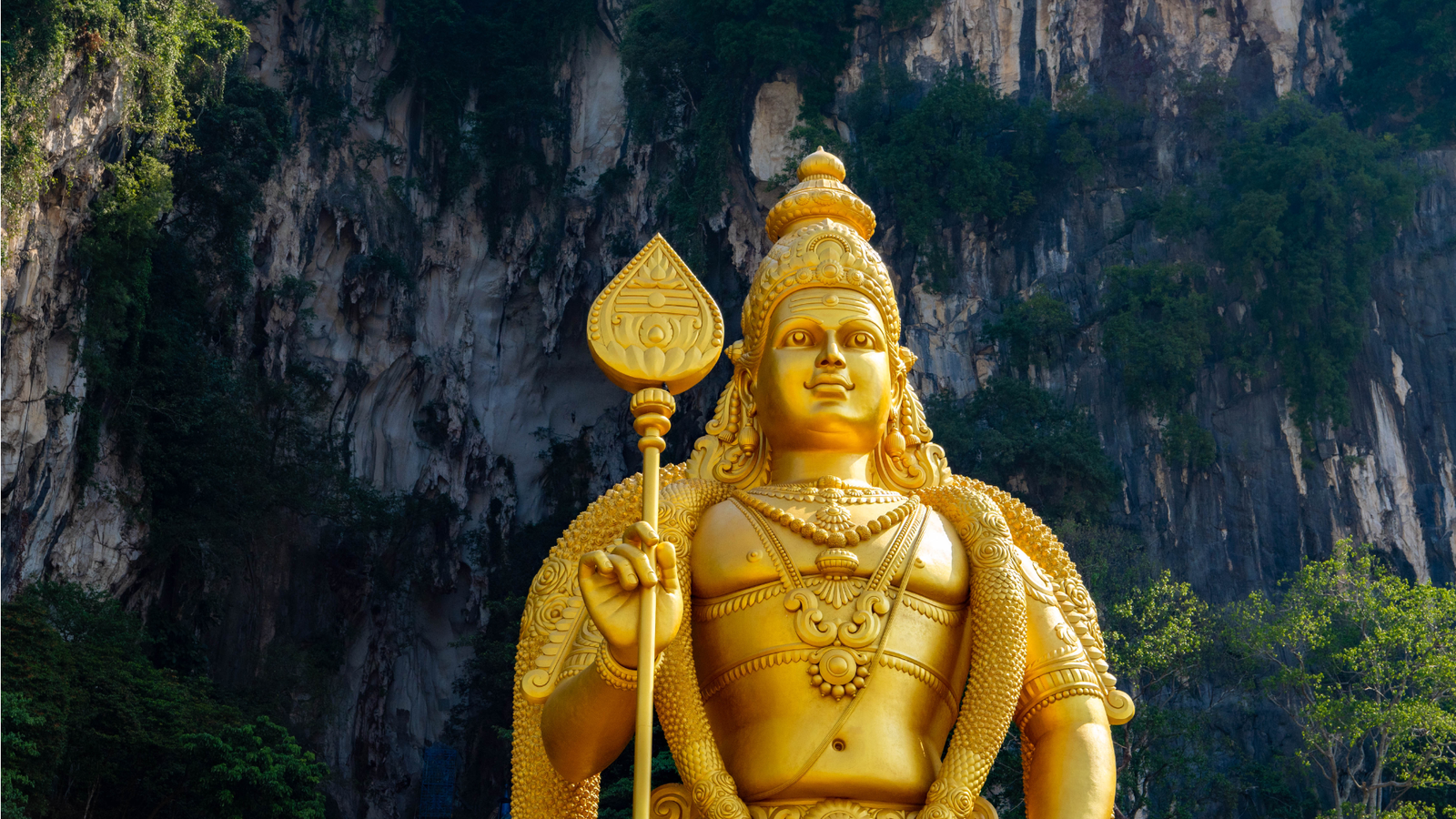
If you haven’t heard of it, Thaipusam is a Hindu festival dedicated to Lord Murugan. Devotees carry elaborate structures called kavadis — some decorated with peacock feathers, some literally pierced through their skin with hooks and skewers — as an act of devotion and penance.
And the main event? It all happens at the iconic Batu Caves, just outside Kuala Lumpur. Over one million people gather there. One. Million.
The golden Lord Murugan statue and the 272 rainbow steps at Batu Caves.
What to Expect
The 272-step climb: Devotees carry their kavadis up the massive staircase to the cave temple. Watching them do it with tears in their eyes and total focus on their faces? Goosebumps. Every single time.
Milk pots (paal kudam): Many devotees carry pots of fresh milk on their heads as offerings. The sight of thousands of people doing this together is breathtaking.
Chanting and drumming: The sound of “Vel Vel Muruga!” echoing through the limestone caves is something you feel in your chest.
Free food stalls: Volunteers serve free meals and drinks to everyone — devotees, tourists, photographers, anyone.
My Personal Tip
Arrive at Batu Caves before sunrise. The procession starts early, and the golden morning light hitting the giant golden Lord Murugan statue is a photographer’s dream. Also, wear comfortable shoes and bring water — it gets hot and crowded fast.
Inside the cave temple at Batu Caves.
Chinese New Year in Malaysia: Red, Loud and Absolutely Magical
When: January or February (based on the Chinese lunar calendar) Where to experience it best: Petaling Street (Chinatown), KL; George Town, Penang; Jonker Street, Malacca Public holiday? ✅ Yes — national public holiday (first two days of CNY)
Chinese New Year (also called Lunar New Year or Spring Festival) is HUGE in Malaysia. The Chinese community makes up about 23% of the population, and they go all out. And yes — the entire country gets a holiday for it, not just the Chinese community. Malay and Indian Malaysians get to enjoy the lion dances and yee sang tossing right alongside their Chinese friends.
Red lanterns over Jalan Alor, Kuala Lumpur.
What to Expect
Lion and dragon dances: These aren’t small, cute performances. We’re talking massive, acrobatic, drum-pounding spectacles right in the middle of shopping malls and streets. The energy is insane.
Yee Sang tossing: This is a uniquely Malaysian/Singaporean tradition. Everyone gathers around a giant salad platter, tosses the ingredients high into the air with chopsticks, and shouts wishes for prosperity. It’s messy, it’s loud, and it’s SO much fun.
Ang pow (red packets): Married couples give red envelopes with money to kids and unmarried adults. As a tourist, you probably won’t get one, but the tradition is beautiful to witness.
Firecrackers and fireworks: The night sky lights up louder than any New Year’s Eve I’ve ever seen.
Temple prayers: Visit Thean Hou Temple in KL. During CNY, it’s draped in thousands of red lanterns, and the view of the city from up there is stunning.
My Personal Tip
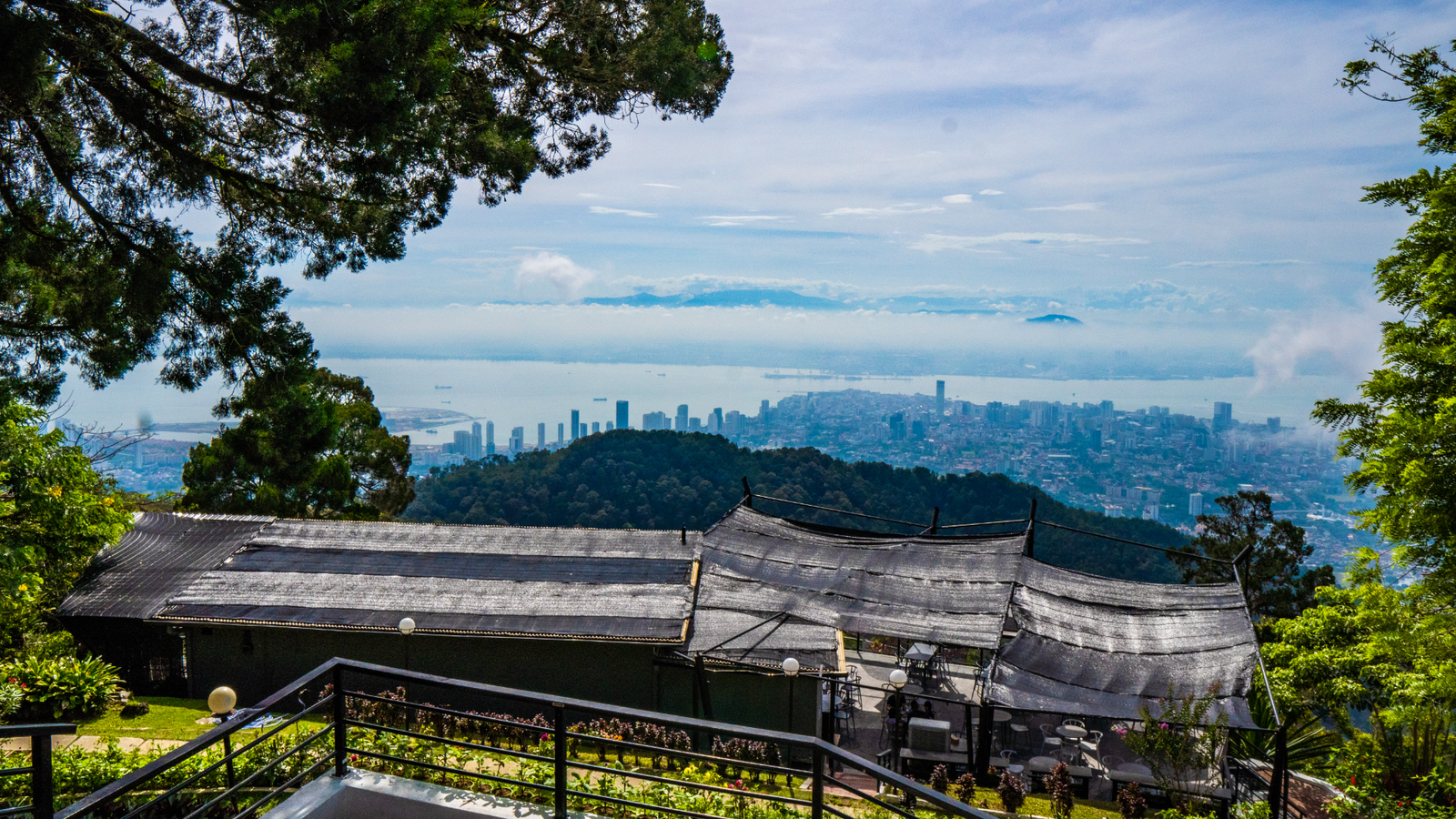
Head to Penang for Chinese New Year if you can. George Town’s heritage streets decorated with red lanterns and the famous Kek Lok Si Temple lit up with 10,000+ lights is pure magic. It’s easily one of the best Malaysia travel experiences you can have.
George Town's heritage streets, Penang.
Hari Raya in Malaysia: The Warmest Celebration You'll Ever Experience
When: Dates vary (based on the Islamic lunar calendar). Hari Raya Aidilfitri follows Ramadan; Hari Raya Haji comes later in the year. Where to experience it best: Kampung Baru, KL; Kota Bharu, Kelantan; Malacca; any Malaysian neighborhood, honestly Public holiday? ✅ Yes — national public holiday (two days for Hari Raya Aidilfitri)
If Deepavali is about light, Thaipusam is about devotion, and CNY is about energy — then Hari Raya in Malaysia is about warmth. Pure, genuine, heart-melting warmth.
Hari Raya Aidilfitri (also known as Eid al-Fitr) marks the end of Ramadan, the holy month of fasting. And in Malaysia, this is the biggest celebration of the year for the Malay Muslim majority. And guess what? Everyone gets the holiday. Chinese and Indian Malaysians celebrate right alongside their Malay friends, visiting open houses and stuffing themselves with rendang.
What to Expect
Balik kampung (homecoming): Millions of Malaysians travel back to their hometowns. Highways are packed, buses are full, and the whole country is on the move. It reminds me a lot of Thanksgiving travel in the US, but with way better food.
Open houses (again!): Just like Deepavali, Malay families throw open their doors during Hari Raya. You’ll be welcomed with ketupat, rendang, lemang, and kuih-muih (traditional sweets). And trust me, you will eat until you can’t move.
Mosque visits: The National Mosque (Masjid Negara) in KL and the Crystal Mosque in Terengganu are breathtaking during Hari Raya prayers.
New clothes: Everyone wears beautiful traditional outfits — baju kurung for women and baju Melayu for men. The colors are gorgeous.
Forgiveness: The core of Hari Raya is asking for forgiveness from family and friends. Watching people hug and cry and reconcile is incredibly moving, even as an outsider.
My Personal Tip
If you’re a non-Muslim traveler, don’t feel shy about joining an open house. Malaysians are famously hospitable, and they genuinely love sharing their culture. Just dress modestly, remove your shoes at the door, and come hungry. Very hungry. 😄
The Public Holiday Magic: Why This Matters More Than You Think
Okay, I want to take a moment to talk about something that really struck me during my May 2016 trip to Kuala Lumpur — and honestly, it’s something I think about even today.
When that taxi uncle told me that Deepavali, Chinese New Year, AND Hari Raya are all public holidays in Malaysia, I actually asked him to repeat it. I thought I misheard.
Because let’s be real — in most countries around the world, only the majority religion gets the big holidays. The rest? Maybe a day off here and there, if you’re lucky.
But in Malaysia?
Festival
Community
Public Holiday?
🪔 Deepavali
Hindu (Indian)
✅ All states except Sarawak
🏮 Chinese New Year
Chinese
✅ National (2 days)
🕌 Hari Raya Aidilfitri
Muslim (Malay)
✅ National (2 days)
🙏 Thaipusam
Hindu (Tamil)
✅ Several states
🎄 Christmas
Christian
✅ National
🪷 Wesak Day
Buddhist
✅ National
Every major faith gets its day.
This means that when Deepavali comes around, the Malay Muslim guy and the Chinese Buddhist woman both get the day off — and they’ll probably spend it eating murukku at their Indian neighbor’s house. When Hari Raya arrives, the Indian and Chinese families are right there at the Malay open house, loading their plates with rendang.
The public holiday isn’t just a day off from work. It’s a message. It says: Your culture matters. Your faith matters. You belong here.
And as a traveler, when you witness this in real life, it hits different. It’s not something you read about in a textbook. It’s something you feel.
How These Festivals Bring Everyone Together
This is the part that makes Malaysia truly special, and I want you to really absorb this.
In most countries, festivals are celebrated by specific communities, and everyone else just watches. In Malaysia? Everyone joins in.
During Deepavali, you’ll see Malay and Chinese neighbors visiting Indian open houses.
During Chinese New Year, Malay and Indian friends show up at CNY dinners.
During Hari Raya, non-Muslim colleagues and friends flood into Malay homes for rendang and ketupat.
During Thaipusam, people of all races line the streets to watch the procession and hand out free drinks to devotees.
This isn’t forced. It isn’t performative. It’s just… normal life in Malaysia.
The Malaysian government even promotes the concept of “Open House” at the national level, where the Prime Minister and government leaders host massive multi-racial celebrations. It’s beautiful, and honestly, the rest of the world could learn a thing or two from it.
Every race, every age, on the same steps.
Practical Travel Tips for Festival Season in Malaysia
Before you book your tickets, here are some quick tips from my personal experience:
Tip
Details
🗓️ Check dates early
Most of these festivals follow lunar calendars, so dates change every year. Double-check before planning.
🏨 Book accommodation in advance
Hotels fill up FAST during CNY and Hari Raya, especially in Penang and KL.
👗 Dress respectfully
Cover shoulders and knees when visiting temples and mosques. It’s basic respect, and locals will appreciate it.
🚗 Expect traffic
Hari Raya and CNY cause massive highway jams. Use trains (KTM, ETS) when possible.
📸 Ask before photographing
Especially during Thaipusam. Devotees are in deep spiritual focus. Be respectful.
🍽️ Eat everything
Seriously. Festival food in Malaysia is next-level. Don’t miss it.
💰 Carry cash
Street vendors and small stalls during festivals often don’t accept cards.
📅 Plan around public holidays
Banks, government offices, and some shops may be closed. Plan accordingly!
Final Thoughts
Malaysia isn’t just a place you visit. It’s a place you feel.
Ever since that May 2016 trip to Kuala Lumpur, I’ve been telling everyone who’ll listen — if you want to see what true multicultural harmony looks like, go to Malaysia during a festival. Watch a Malay family light a Deepavali lamp. Watch a Chinese family break fast during Ramadan. Watch an Indian family toss yee sang during Chinese New Year.
Whether you’re standing in the crowd at Batu Caves during Thaipusam, tossing yee sang during Chinese New Year, lighting a lamp during Deepavali, or hugging a stranger at a Hari Raya open house — you’ll realize that festivals in this country aren’t just about tradition. They’re about connection.
And the fact that these festivals are public holidays for the whole nation? That’s not just policy. That’s love.
So, what are you waiting for? Plan your Malaysia trip around one of these festivals, and I promise you — you’ll go home with a full camera roll, a full stomach, and a very full heart. ❤️
Festivals in Malaysia: FAQs
What is the best festival to experience in Malaysia for first-time travelers?
Honestly, all four are incredible. But if I had to pick one, Chinese New Year is the most visually stunning and easiest to enjoy as a tourist. Hari Raya is a close second for the warmth and food.
Are Deepavali, Chinese New Year, and Hari Raya all public holidays in Malaysia?
Yes! This is one of the most unique things about Malaysia — the government officially recognizes festivals from all major religions and cultures. (Deepavali is the one exception in Sarawak.) Even as a tourist, you’ll feel the festive energy everywhere because the whole country is celebrating.
Are these festivals safe for tourists?
Absolutely. Malaysia is one of the safest countries in Southeast Asia. Just use common sense in large crowds, keep your belongings secure, and you’ll be totally fine.
Do I need to be religious to enjoy these festivals?
Not at all! These festivals are cultural celebrations as much as religious ones. Everyone is welcome, and locals love sharing their traditions with visitors.
Which city is best for experiencing Malaysian festivals?
Kuala Lumpur is the most convenient because of its diversity. But Penang is my personal favorite for CNY, and Ipoh is underrated for Deepavali.
When is the best time to visit Malaysia for festivals?
It depends on the festival! CNY and Thaipusam fall in Jan/Feb, Hari Raya shifts every year based on the Islamic calendar, and Deepavali is usually in Oct/Nov. My first trip was in May 2016, and even without a major festival, the cultural energy in KL was incredible.
Did you love this post? Share it with your travel buddies, and drop a comment below — which Malaysian festival is on your bucket list? 👇✨
About Us
We’re three friends who met in Malaysia and turned our love for travel and food into Travel Treat Together. Full-time professionals who never quit our jobs — just found a way to make every trip count.
Travel Treat Together is a travel blog for working professionals who want to see the world without quitting their jobs. Explore destination guides, itineraries and stories from across Asia and beyond.