Good Treat is Everything
Stories A Good Treat Is Everything — So Share It with the Ones You Love Why the best stories in the world come from people who have been somewhere Think About It for a Second Who is the most interesting person at a dinner table? It is almost never the person who stayed home. It is the one who went somewhere. The one who got lost in a foreign city, ate something strange, missed a train, met a stranger, or watched a sunset from a rooftop they were not supposed to be on. That person has stories. And stories are the most powerful thing a human being can share. Travel does not just change where you go. It changes how you see, how you feel, and most importantly — how you talk about the world. What Is a Good Storyteller? Before we talk about travel, let us understand what makes someone a good storyteller. A good storyteller: Makes you feel like you were there Uses details that bring a scene to life Knows how to build tension and surprise Speaks from real emotion — not just facts Makes you laugh, think, or feel something Leaves you wanting to hear more Now here is the thing — travel gives you all of these ingredients automatically. How Travel Builds Your Storytelling 1. Travel Gives You Raw Material You cannot tell stories if nothing has happened to you. Travel fills your life with events — big and small. A delayed flight that led you to meet a fascinating stranger. A wrong turn that took you to the most beautiful street you had ever seen. A local dish that tasted like nothing you could describe but you tried anyway. These moments become your material. Every trip is a library of stories waiting to be told. 2. Travel Teaches You to Notice Details At home, you stop seeing things. Your brain puts life on autopilot. But when you are in a new place, everything is fresh. Your senses wake up. You notice: The color of the walls in an old town The smell of street food in the morning air The sound of a language you do not understand The way a local grandmother laughs The texture of cobblestones under your feet Details are what make stories come alive. And travel is the best training ground for noticing them. 3. Travel Forces You to Talk to Strangers At home, you talk to the same people about the same things. Travel pushes you out of that comfort zone. You ask for directions. You share a table with someone you just met. You try to communicate with someone who speaks a different language. You listen to a guide, a local shopkeeper, a fellow traveler. Every conversation is a lesson in human connection. You learn how people think differently. You collect their perspectives. And those perspectives make your stories richer and more interesting. 4. Travel Gives You Conflict and Tension Every great story has a problem. Something that went wrong. A moment of uncertainty or fear. Travel delivers this naturally: Getting lost in an unfamiliar city Missing a bus in the middle of nowhere Falling sick far from home Running out of money unexpectedly Facing a cultural misunderstanding These are frustrating when they happen. But they become the best stories later. The harder the moment, the better the story. 5. Travel Gives You Emotional Depth You cannot fake emotion in a good story. People can tell. But when you have stood at the edge of a mountain and felt tiny. When you have sat in a quiet temple and felt unexpectedly moved. When you have shared food with strangers and felt an overwhelming sense of belonging — that emotion is real. It lives in you. When you tell those stories, the emotion comes through. And that is what keeps people listening. 6. Travel Expands Your Vocabulary of Experience A person who has never left their city only knows one kind of rain, one kind of traffic, one kind of market, one kind of morning. A traveler knows a hundred versions of everything. They know what silence sounds like in a Scandinavian forest versus a Saharan desert. They know the difference between city chaos in Mumbai and city chaos in Tokyo. They know how “hospitality” feels completely different in Morocco versus rural Japan. This wide vocabulary of experience means when you describe something — you describe it better. With more depth. With comparison. With truth. 7. Travel Makes You Comfortable with Uncertainty Good storytellers are confident. They are comfortable not knowing how the story will land. They are willing to go to unexpected places in their narrative. Travel trains exactly this skill. When you travel, especially alone or off the beaten path, you learn to be okay with not knowing what comes next. You get comfortable with the unknown. That confidence shows up when you tell stories. You are not afraid to pause, to digress, to let the story breathe. The Types of Travel Stories People Love Most Not all travel stories are equal. The ones that stick with people tend to fall into these types: The “I Was Wrong” Story You expected one thing. You found something completely different. This is powerful because it shows growth. “I thought it would be touristy and shallow. But I ended up in a conversation with a fisherman that changed how I think about hard work.” The “Things Went Wrong” Story The disaster that became an adventure. Everyone loves these because they are honest and funny. “We missed our flight, lost our luggage, and ended up sleeping on an airport bench — and honestly, it was the best night of the whole trip.” The “I Felt Small” Story The moment travel reminded you how big the world is and how little you know. “Standing at the base of those ruins, I realised I had been living my whole life in a very small box.” The “Unexpected Kindness” Story A stranger helped
Traveling Turns You Into a Good Storyteller
Stories Traveling Turns You Into a Good Storyteller Why the best stories in the world come from people who have been somewhere Think About It for a Second Who is the most interesting person at a dinner table? It is almost never the person who stayed home. It is the one who went somewhere. The one who got lost in a foreign city, ate something strange, missed a train, met a stranger, or watched a sunset from a rooftop they were not supposed to be on. That person has stories. And stories are the most powerful thing a human being can share. Travel does not just change where you go. It changes how you see, how you feel, and most importantly — how you talk about the world. What Is a Good Storyteller? Before we talk about travel, let us understand what makes someone a good storyteller. A good storyteller: Makes you feel like you were there Uses details that bring a scene to life Knows how to build tension and surprise Speaks from real emotion — not just facts Makes you laugh, think, or feel something Leaves you wanting to hear more Now here is the thing — travel gives you all of these ingredients automatically. How Travel Builds Your Storytelling 1. Travel Gives You Raw Material You cannot tell stories if nothing has happened to you. Travel fills your life with events — big and small. A delayed flight that led you to meet a fascinating stranger. A wrong turn that took you to the most beautiful street you had ever seen. A local dish that tasted like nothing you could describe but you tried anyway. These moments become your material. Every trip is a library of stories waiting to be told. 2. Travel Teaches You to Notice Details At home, you stop seeing things. Your brain puts life on autopilot. But when you are in a new place, everything is fresh. Your senses wake up. You notice: The color of the walls in an old town The smell of street food in the morning air The sound of a language you do not understand The way a local grandmother laughs The texture of cobblestones under your feet Details are what make stories come alive. And travel is the best training ground for noticing them. 3. Travel Forces You to Talk to Strangers At home, you talk to the same people about the same things. Travel pushes you out of that comfort zone. You ask for directions. You share a table with someone you just met. You try to communicate with someone who speaks a different language. You listen to a guide, a local shopkeeper, a fellow traveler. Every conversation is a lesson in human connection. You learn how people think differently. You collect their perspectives. And those perspectives make your stories richer and more interesting. 4. Travel Gives You Conflict and Tension Every great story has a problem. Something that went wrong. A moment of uncertainty or fear. Travel delivers this naturally: Getting lost in an unfamiliar city Missing a bus in the middle of nowhere Falling sick far from home Running out of money unexpectedly Facing a cultural misunderstanding These are frustrating when they happen. But they become the best stories later. The harder the moment, the better the story. 5. Travel Gives You Emotional Depth You cannot fake emotion in a good story. People can tell. But when you have stood at the edge of a mountain and felt tiny. When you have sat in a quiet temple and felt unexpectedly moved. When you have shared food with strangers and felt an overwhelming sense of belonging — that emotion is real. It lives in you. When you tell those stories, the emotion comes through. And that is what keeps people listening. 6. Travel Expands Your Vocabulary of Experience A person who has never left their city only knows one kind of rain, one kind of traffic, one kind of market, one kind of morning. A traveler knows a hundred versions of everything. They know what silence sounds like in a Scandinavian forest versus a Saharan desert. They know the difference between city chaos in Mumbai and city chaos in Tokyo. They know how “hospitality” feels completely different in Morocco versus rural Japan. This wide vocabulary of experience means when you describe something — you describe it better. With more depth. With comparison. With truth. 7. Travel Makes You Comfortable with Uncertainty Good storytellers are confident. They are comfortable not knowing how the story will land. They are willing to go to unexpected places in their narrative. Travel trains exactly this skill. When you travel, especially alone or off the beaten path, you learn to be okay with not knowing what comes next. You get comfortable with the unknown. That confidence shows up when you tell stories. You are not afraid to pause, to digress, to let the story breathe. The Types of Travel Stories People Love Most Not all travel stories are equal. The ones that stick with people tend to fall into these types: The “I Was Wrong” Story You expected one thing. You found something completely different. This is powerful because it shows growth. “I thought it would be touristy and shallow. But I ended up in a conversation with a fisherman that changed how I think about hard work.” The “Things Went Wrong” Story The disaster that became an adventure. Everyone loves these because they are honest and funny. “We missed our flight, lost our luggage, and ended up sleeping on an airport bench — and honestly, it was the best night of the whole trip.” The “I Felt Small” Story The moment travel reminded you how big the world is and how little you know. “Standing at the base of those ruins, I realised I had been living my whole life in a very small box.” The “Unexpected Kindness” Story A stranger helped you when you least expected it. These
Art & Culture
Stories Art & Culture: Discover Local Traditions — Everything You Need to Know A complete guide for curious minds and passionate explorers What Is Art & Culture? Art and culture are the soul of every community. Art is how people express feelings, ideas, and stories — through painting, music, dance, food, and more. Culture is the way people live — their beliefs, habits, festivals, language, and values passed down from generation to generation. Together, they tell us who we are and where we come from. Why Local Traditions Matter Local traditions are not just old customs. They are living stories. They connect the young with the old. They remind people of their roots. And they make every place on earth unique and special. Here is why they are important: Identity — They give people a sense of belonging. Memory — They keep history alive. Community — They bring people together. Pride — They celebrate what makes a place special. Tourism — They attract visitors from around the world. Types of Local Art & Cultural Traditions 1. Visual Arts Visual arts include painting, sculpture, weaving, pottery, and crafts. Every region has its own style. In Malaysia, for example, batik fabric painting uses beautiful wax-resist patterns. In Japan, origami (paper folding) is both an art and a tradition. In Africa, tribal masks carry deep spiritual meaning. What to look for: Local art galleries and craft markets Street murals and public art Handmade crafts by local artisans 2. Performing Arts Performing arts are art forms that happen live — in front of an audience. Common types include: Traditional Dance — Every culture has its own dance. Flamenco in Spain, Bharatanatyam in India, Joget and Zapin in Malaysia, Haka in New Zealand. Music — Local instruments, folk songs, and chants carry the spirit of a culture. Theatre & Storytelling — Shadow puppets (wayang kulit), opera, and oral storytelling pass down legends and moral lessons. Martial Arts as Culture — Silat in Southeast Asia, Capoeira in Brazil, and Kung Fu in China are all art forms tied deeply to culture. 3. Festivals & Celebrations Festivals are culture in action. They are full of color, sound, food, and emotion. Festival Culture What Happens Hari Raya Aidilfitri Malay/Muslim Open houses, prayers, family visits Chinese New Year Chinese Lion dance, firecrackers, red packets Deepavali Indian/Hindu Oil lamps, sweets, colorful rangoli Wesak Day Buddhist Prayers, lanterns, processions Gawai Iban/Dayak (Sarawak) Harvest festival, rice wine, traditional dress Christmas Christian communities Carols, gifts, church gatherings These festivals are moments where culture comes fully alive — food, clothes, prayers, and music all happening at once. 4. Traditional Food Food is culture on a plate. What people eat — and how they eat it — tells you everything about their way of life. Recipes passed down through generations carry history in every bite. Communal eating (sharing from one big pot or eating on the floor together) shows values like togetherness and humility. Local spices and ingredients reflect the geography and trade history of a place. Street food culture shows how ordinary people eat every day. Examples: Nasi lemak and rendang in Malaysia. Sushi and ramen in Japan. Biryani in South Asia. Tagine in Morocco. Tacos in Mexico. 5. Traditional Clothing What people wear is a window into their identity. Malaysia: Baju Melayu, Baju Kurung, Cheongsam, Sari Japan: Kimono India: Sari, Kurta Scotland: Kilt Native cultures worldwide: Beaded garments, feathered headdresses Traditional clothing is often worn during festivals, ceremonies, and special occasions. Each color, pattern, and fabric has meaning. 7. Language & Oral Traditions Language is perhaps the most powerful cultural art form. Proverbs and sayings (peribahasa in Malay) hold wisdom in a few words. Folk stories and legends teach children right from wrong. Songs and poems preserve history better than textbooks. Local dialects carry personality — the way people talk in one village can be completely different from the next. When a language disappears, an entire world of knowledge disappears with it. 8. Handicrafts & Traditional Skills These are skills passed from hand to hand across generations: Batik — Fabric dyeing using wax patterns Songket — Gold and silver thread weaving Rattan weaving — Making baskets, mats, furniture Pottery and ceramics — Shaping clay into everyday beauty Wood carving — Used in homes, boats, and temples Silversmithing — Jewelry and decorative crafts These crafts are not just beautiful — they are a way of life. Learning them takes years of patience and dedication. How to Experience Local Art & Culture You do not have to travel far to discover culture. Here is how: If You Are Visiting a New Place: Visit local museums — They give you the full picture fast. Walk through old neighborhoods — Culture lives in everyday streets, not just tourist spots. Eat at local eateries — Avoid international chains. Eat where the locals eat. Attend a festival or market — Even a small weekend market shows local life. Watch a live performance — Traditional dance, music, or theatre. Talk to people — The best stories come from locals, not guidebooks. Buy handmade crafts — Support local artisans directly. In Your Own City: Visit cultural centers and art galleries. Attend community festivals. Take a cooking or craft class. Read local history books. Learn a few words of a different local language. Common Misconceptions About Local Culture ❌ “Old traditions are outdated.” ✅ Many traditions are evolving and very much alive. They adapt to modern times while keeping their core meaning. ❌ “You need to be from a culture to appreciate it.” ✅ Respectful curiosity is always welcome. Engage, ask questions, and listen. ❌ “Culture is only for tourists.” ✅ Culture is for everyone, especially the people who live it every day. ❌ “All cultures are the same.” ✅ Even neighboring villages can have completely different traditions, foods, and artistic styles. Why Culture Is Under Threat — And What We Can Do Many local traditions are slowly disappearing. Here is why: Urbanization — Young people move to cities and leave
Travel Blog Tips
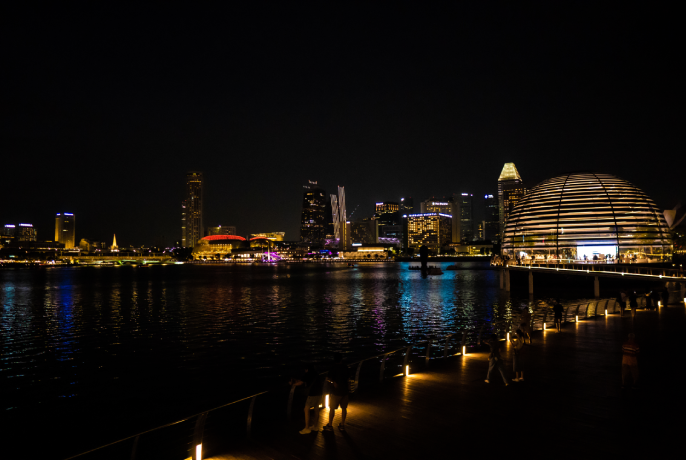
Travel Tips What you keep ignoring before every trip From the streets of Singapore to the rivers of Vietnam — a traveller’s honest notes I have packed my bag, missed important things, and paid for it — sometimes literally. Here is what I wish someone had told me before my first dozen trips. Your travel insurance actually has conditions Most of us buy insurance and forget about it. But here is the thing — many standard policies do not cover adventure activities. Hiking, motorcycling, even snorkelling can be excluded. Read what your policy actually covers before you leave, not when something goes wrong at 2am in a foreign hospital. Real talk: A one-week trip to Thailand with a rented scooter? Your basic travel insurance likely won’t cover that accident. Top up or get a specialist policy. It costs less than you think. Entry requirements change, and change fast We check visa requirements once, months ahead, then forget. Countries update their rules all the time — new e-visa systems, health declarations, entry bans, passport validity rules. Check again two weeks before you fly. The airline will turn you away at check-in, not at immigration. By then your holiday is already over. Singapore is what happens when a city decides to take itself seriously. You will never have a bad meal, you will never get lost, and you will always find something that surprises you. Your bank will block your card Banks flag foreign transactions as suspicious, especially in Southeast Asia or parts of Eastern Europe. Tell your bank you are travelling before you go. Also: know your card’s foreign transaction fees. Some cards charge 3.5% on every purchase abroad. Over two weeks that adds up to real money you could have spent on food instead. Practical tip: Keep a small amount of local cash on you at all times. ATMs in tourist zones charge high fees. Change a small amount at the airport and then find a local bank or mall ATM for better rates. Your phone plan does not work the way you think International roaming can silently drain your account. Some plans say “roaming included” but throttle data after 200MB. Others charge per megabyte with no cap. Buy a local SIM at the airport or get an eSIM before you leave. Staying connected is not a luxury anymore — maps, translation, and emergency contacts depend on it. Jet lag is a bigger deal than you give it credit for Crossing more than four time zones will hit you. Most travellers plan sightseeing for day one and wonder why they feel terrible. Your first day should be light — a slow walk, good food, early sleep. Adjust your sleep schedule a few days before you travel. Drink water on the plane, not alcohol. Your body is not on holiday yet. Someone at home should know where you are This sounds obvious and almost nobody does it properly. Leave your full itinerary — hotel names, addresses, flight numbers — with one person at home. Not just “I’m in Singapore.” If something happens and you go dark for 48 hours, someone needs to know exactly where to start looking. Simple habit: Share your hotel booking confirmations via email with a trusted contact. Takes two minutes. Could matter enormously. Your medication needs paperwork too Carry a letter from your doctor for any prescription medication, especially controlled drugs. Some countries — Singapore, Japan, UAE — are very strict about what you can bring in, even common items like certain painkillers or ADHD medication. Getting stopped at customs with undeclared medication is a serious situation. This is not something to figure out on the other side. Local weather apps are more accurate than global ones Weather apps like AccuWeather use regional modelling that is not as accurate for tropical climates or mountainous areas. Look up the local meteorological service for your destination. In Malaysia, for example, the Meteradar app is far more reliable than Google Weather during monsoon season. Rain in a tropical city does not mean your whole day is ruined — but knowing when it comes helps you plan around it. Travel is supposed to be enjoyable. Most of the stuff that goes wrong is completely avoidable — not by spending more money, but by spending twenty extra minutes on preparation. The view from Gardens by the Bay at midnight is genuinely magical. You want to be present for it, not on hold with your bank. — Written by The Road Blogger | Safe travels. — Written by The Road Blogger | Safe travels. Continue Reading Travel Blog Tips Destination Singapore
Southeast Asia Called, and I Answered Every Time
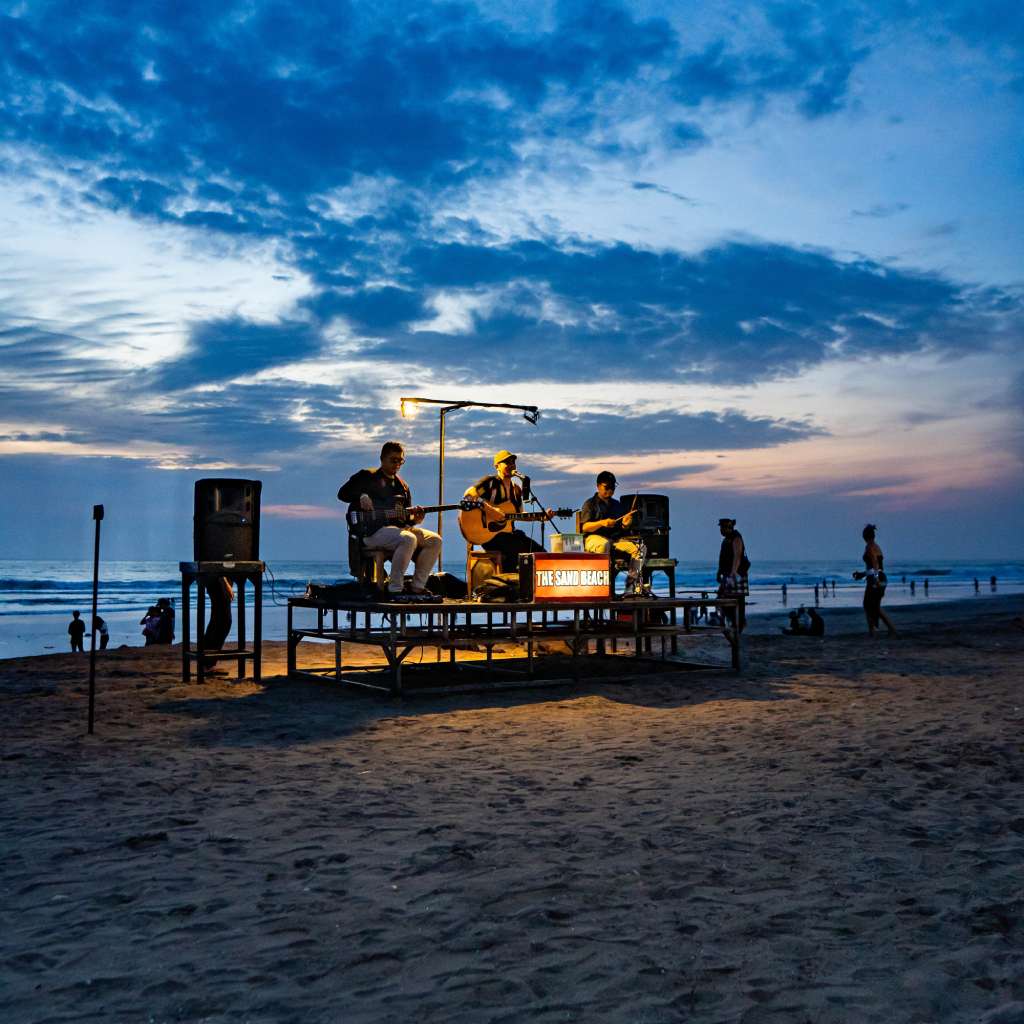
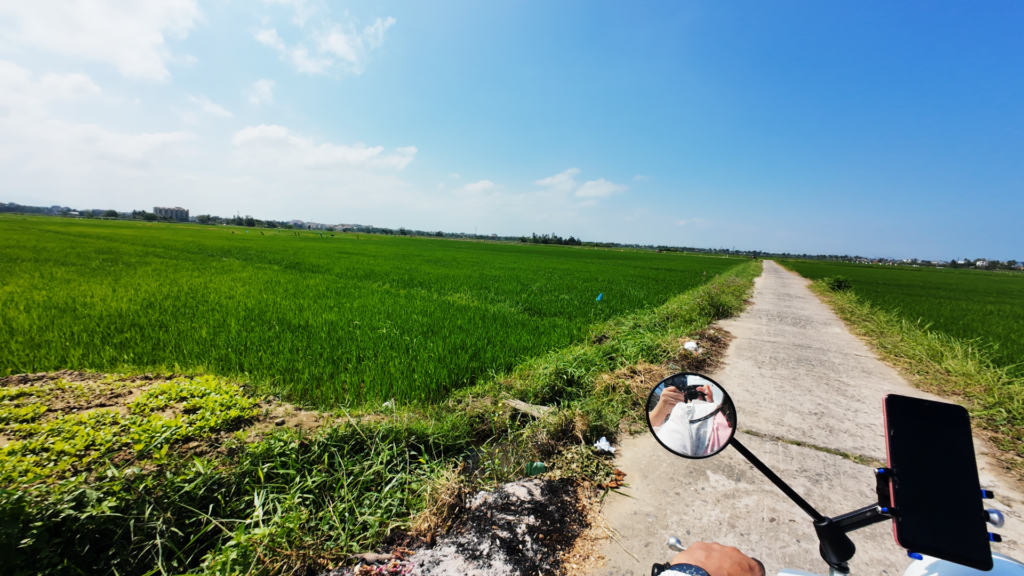
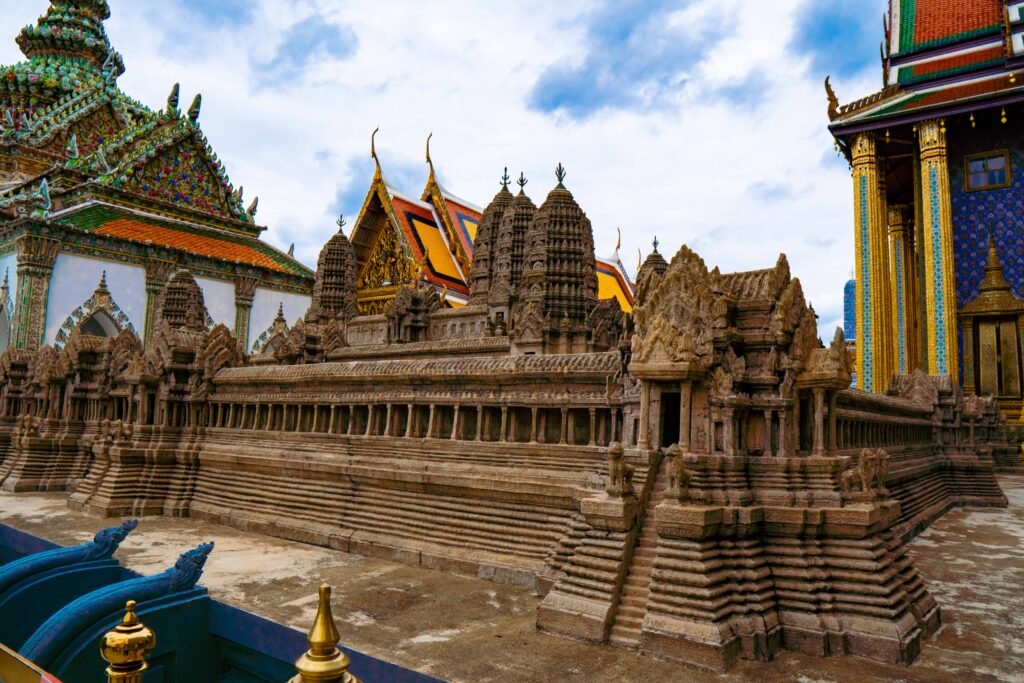
Adventure Travel Southeast Asia Called — And I Answered Every Time From the streets of Singapore to the rivers of Vietnam — a traveller’s honest notes Every trip teaches you something new — about the place, and about yourself. Travel Treat Together I didn’t plan to fall in love with Southeast Asia. It just happened — one city at a time, one bowl of noodles at a time, one sunrise over a temple roof at a time. Over the past few years, I have had the joy of visiting four incredible places in this part of the world: Singapore, Thailand, Bali, and most recently, Vietnam. Each one left a mark on me that I still carry today. If you are thinking about exploring this region, let me share what each destination felt like from the inside — not the glossy brochure version, but the real, sweaty, beautiful, occasionally confusing version. Marina Bay Sands Singapore — Where everything works Singapore was my first stop in the region and honestly, it spoiled me a little. Everything runs on time, the MRT is spotless, and you can eat extraordinary food at a hawker centre for just a few dollars. It is a city that takes pride in itself, and you can feel that in every corner. I spent hours wandering through Chinatown, Little India, and the colonial district — all within a very short distance of each other. The diversity here is not just tolerated, it is celebrated loudly. Gardens by the Bay blew my mind in a way I did not expect from what looked like a tourist attraction. At night, the Supertrees light up and for a moment it feels like you are on another planet. Universal Studio, Singapore Singapore is what happens when a city decides to take itself seriously. You will never have a bad meal, you will never get lost, and you will always find something that surprises you. Thailand — The soul of the region If Singapore is the head, Thailand is the heart. The country has an energy that is hard to explain. Whether you are in the chaos of Bangkok’s street markets, the calm of Chiang Mai’s temples, or floating in the turquoise water of the southern islands — Thailand has a way of making you feel instantly welcome. The food here hit differently. Pad Thai, green curry, mango sticky rice — I ate all of it every day and never got tired. The Thai people have a warmth and gentleness about them that stays with you long after you have left. And the temples — the grand ones, the quiet neighbourhood ones, the ones tucked into cliff sides — every single one is worth stopping at. Thailand is also very easy to navigate as a traveller. You are never far from someone who can help you, a place to sleep, or a meal that costs less than a cup of coffee back home. Wat Phra Kaew, Bangkok, Thailand Bali — A place that feeds your spirit Bali is unlike anywhere else I have been. It is not just a beautiful island — it is a place with a spiritual atmosphere you can almost breathe in. The Balinese Hindu culture is alive in everything: the tiny flower offerings on the ground each morning, the sound of gamelan music drifting from a ceremony, the incense smoke curling up from temple gates. I stayed in Ubud for most of my trip, surrounded by terraced rice fields and small family compounds. I rented a motorbike and drove through villages where people smiled and waved like they genuinely meant it. The waterfalls, the volcanoes, the sunsets over the ocean — Bali gives you a lot. But what it gives you most is a sense of stillness that is hard to find elsewhere. A word of honest advice: go a little off the main tourist trail. The real Bali is in the smaller villages, the local warungs, the early morning temple visits before the crowds arrive. Amarta Penida, Bali Vietnam — My most recent adventure Vietnam is the kind of place that takes you by surprise. You think you know what to expect, and then you arrive and realise you had no idea. The country is long and narrow, stretching over 1,600 kilometres from north to south, and every part of it feels different. The streets of Hanoi hum with motorbikes and noise and life. The old quarter has a maze of narrow streets where you can spend an entire day just wandering. Down south, Ho Chi Minh City moves even faster — it pulses with ambition and energy. And in between, places like Hoi An and Hue feel like they belong to a slower, quieter century. Hanoi Train Street, Vietnam Vietnamese food alone is reason enough to book a flight. Pho for breakfast, banh mi for lunch, and fresh spring rolls whenever you feel like it — this is a cuisine that is both simple and extraordinary. Halong Bay stopped me in my tracks. Limestone karsts rising out of emerald green water, fishing boats drifting between them, mist hanging low in the early morning. It is one of those places that makes you feel very small in the best possible way. What struck me most about Vietnam was the people. They have been through so much as a country, and yet there is a forward-looking resilience and warmth here that is genuinely inspiring. Young people are everywhere — energetic, curious, entrepreneurial. The country feels like it is in the middle of writing a very exciting new chapter. Banh Mi So, which one should you visit? Singapore For the organised traveller Thailand For the culture lover Bali For the soul-seeker Vietnam For the curious adventurer All four of them. That is my honest answer. They are close enough to combine into one big trip, and different enough that each one feels like a completely new experience. Southeast Asia is generous like that — it gives you so much variety within such a
Singapore
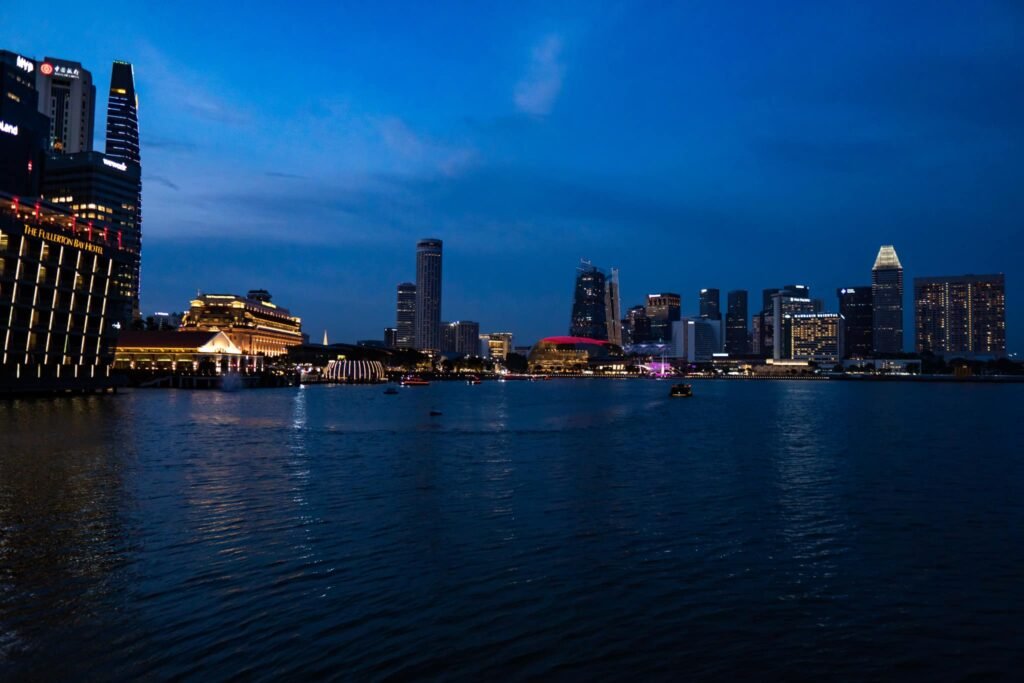
Travel My First Time in Singapore — Finally, After 10 Years in Malaysia One day. One city-country. Countless memories. Here is my story — and everything you need to know about Singapore. It Finally Happened I have been living in Malaysia for almost 10 years. And in all that time, I never once visited Singapore. Can you believe that? Singapore is so close — just one hour by flight, or about 4 to 5 hours by bus to Johor Bahru, and then across the border into Singapore. Yet somehow, I always found a reason to delay. “It’s not that far. Why didn’t I go sooner?” — I kept asking myself. But the visa process for Indians made me nervous every time I tried. As an Indian passport holder, applying for a Singapore visa is not completely straightforward. You cannot apply directly — you must go through a registered agent approved by Singapore. You also need to show financial documents, a valid passport, and proof of funds in your bank account. I kept putting it off… until I decided enough was enough. Me and my friend Nana were going to Singapore — no more excuses. Marina Bay Sands Watch the journey https://youtu.be/U1-LXd3gdC0?si=REOkhu1OLWK_nARE Background of Singapore Before we get into my trip, let us understand what Singapore is really about. When you hear Singapore, think of one of the most remarkable stories in modern history. Singapore was once a small fishing village. In 1819, British statesman Sir Stamford Raffles arrived and built it into a major trading port. In 1965, Singapore became an independent nation — separated from Malaysia. With almost no natural resources, Singapore could have struggled. Instead, Singapore became one of the wealthiest and most developed countries in the world in just a few decades. People call it an economic miracle. And when you visit Singapore, you will understand why. Quick Facts at a Glance Location: Southeast Asia Size: 733 sq km Population: ~6 million Independence: 1965 Currency: SGD (S$) Type: City-state Singapore is unique because it is both a city and a country — called a city-state. There is only one city in Singapore, and that city IS Singapore. This makes getting around very easy because everything is well connected. Universal Studio, Singapore Languages Spoken in Singapore Singapore has four official languages — English, Mandarin Chinese, Malay, and Tamil. The good news? In Singapore, almost everyone speaks English. So as a traveler, you will have no problem communicating anywhere in Singapore. 🇬🇧 English 🇨🇳 Mandarin Chinese 🇲🇾 Malay 🇮🇳 Tamil You will also hear Singlish — a fun local mix of English with words from Malay, Chinese dialects, and Tamil. In Singapore, people say things like “lah”, “leh”, “can?”, and “shiok!” (meaning delicious or awesome). It takes getting used to, but it is part of the charm of Singapore. Gardens by the Bay, Singapore Getting the Visa — Faster Than I Expected The visa process for Singapore was what stopped me for years. But once I actually went through it properly, it was not as bad as I feared. Here is what I did for my Singapore visa as an Indian passport holder in Malaysia: VISA PROCESS I visited a Travel agency registered by Singapore, submitted my passport, passport-size photos, and financial documents showing the minimum bank balance. The agent sent everything off — and within just 2 to 3 minutes, my visa was approved. Yes, minutes. I was genuinely shocked at how fast Singapore’s system works. BONUS TIP FROM MY TRIP Did you know? If you hold a valid Singapore visa, you may be able to visit the Philippines without a separate visa. This is a great advantage worth checking before you travel to Singapore! Marina Bay Sands, Singapore How to Get to Singapore from Malaysia Getting to Singapore from Malaysia is very easy. Nana and I took a night bus from our city to Johor Bahru (JB), crossed the border, and entered Singapore by early morning. Here are your main options: Travel Options ✈️ By Flight: About 1 hour from Kuala Lumpur. This is the fastest option but also the priciest. 🚌 By Bus: 4–5 hours to JB, then cross the border. This is both affordable and popular. 🚂 By Train: Take a train from JB into Singapore. It is comfortable and offers a scenic view. ⛵ By Boat: Cross from nearby ports. It’s a quick and unique experience. “We took a night bus, arrived early in the morning, cleared immigration, and we were inside Singapore. The process was smooth and organized — very much the Singapore way.” Singapore Central Business District Skyline Changi Airport — A World of Its Own You have probably heard of Changi Airport. Singapore’s Changi Airport is consistently ranked the best airport in the world—and after experiencing it ourselves, I completely understand why. When we arrived at Changi, I was immediately amazed. Singapore’s Changi Airport is not just an airport. It has a shopping mall, indoor gardens, a cinema, a rooftop pool, a butterfly garden, and most famously—the HSBC Rain Vortex, the world’s tallest indoor waterfall. We stood and waited for the waterfall display to start, and when it did, it was breathtaking. Everyone around us stopped to stare. No wonder Singapore’s airport is world-famous. MUST-DO AT CHANGI Even if you are just transiting through Singapore, spend some time inside Changi Airport. Watch the HSBC Rain Vortex waterfall display. It is free and absolutely worth it! Changi Airport, Singapore Getting Around Singapore Transportation in Singapore is one of the best things about visiting. Because Singapore is a city-state, everything is well-connected and easy to reach. You do not need to book taxis or use Grab for most of your travels. Your Best Ways to Travel 🚇 MRT (Metro): Fast, clean, and air-conditioned. It covers all the major spots in Singapore. 🚌 Public Bus: Affordable and covers areas that the MRT doesn’t reach. 🚖 Grab / Taxi: Available but less necessary. Singapore’s efficient MRT makes these options strictly optional. 💳 Tourist Card: Buy a 1-day or 3-day EZ-Link pass for unlimited
Bali, Indonesia
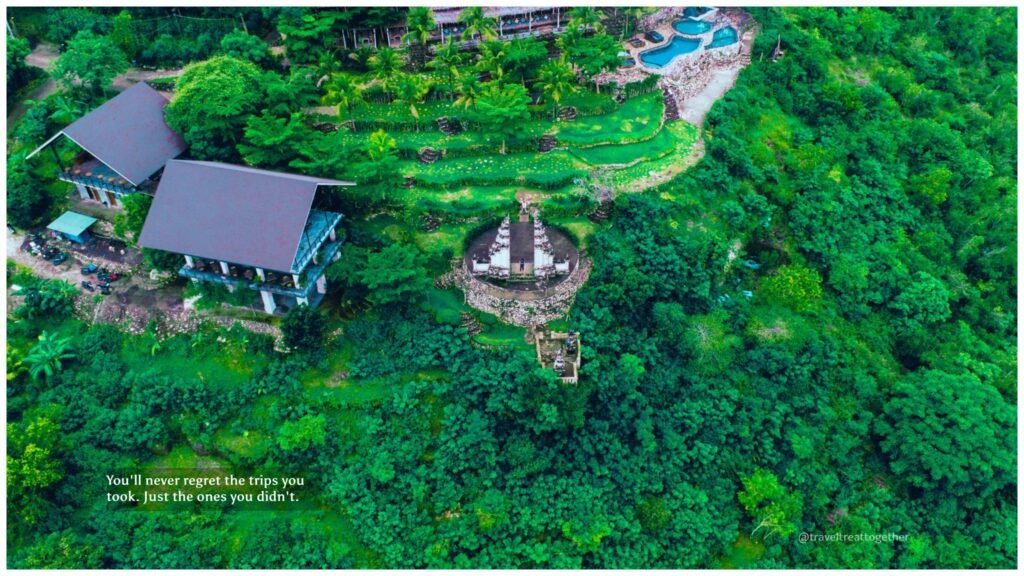
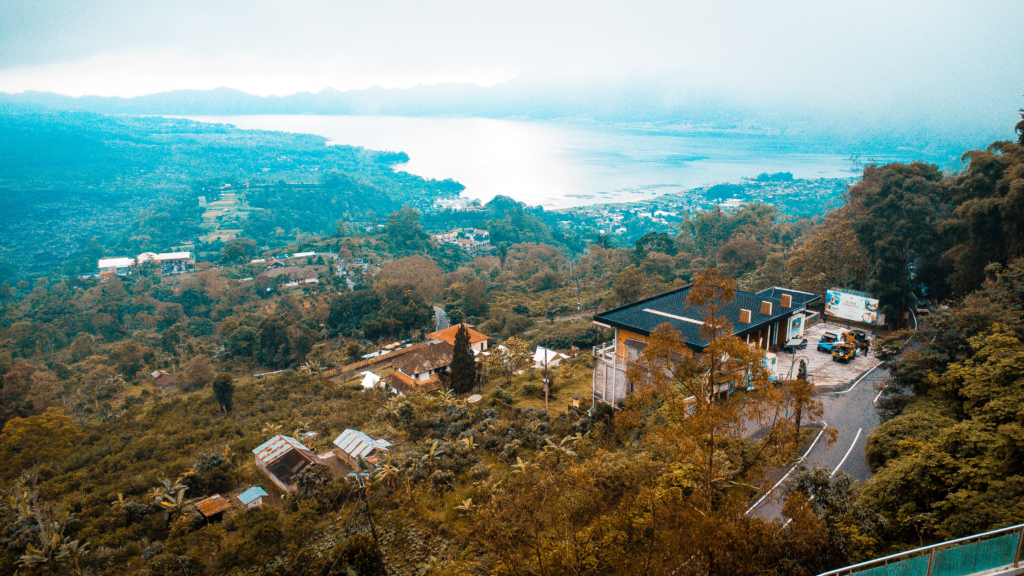
Travel Bali: The Island That Gets Into Your Soul Ubud · Nusa Penida · Seminyak — Three Places, One Unforgettable Island Bali is one of those places you hear about so often that you start to wonder if it’s been overhyped. Then you land. The warm air hits you, the smell of incense is everywhere, and you see your first temple gate standing between rice fields — and you stop wondering. It’s all true. And then some. This is a guide to three sides of Bali that couldn’t feel more different from each other — the spiritual heart of Ubud, the raw and dramatic beauty of Nusa Penida, and the golden, sun-soaked energy of Seminyak. Each one is a different version of the island. Together, they give you the full picture. Why Bali Is Still Worth It Yes, Bali gets a lot of visitors. Yes, you’ll see tourist spots that are crowded. But Bali isn’t just one thing. It stretches from jungle interiors to cliff edges, from surf beaches to sacred mountains. The people are warm, the food is cheap and delicious, and the culture is unlike anything else in Southeast Asia. What makes Bali special is that it doesn’t hide its soul behind the tourism. The ceremonies still happen. The offerings are still placed every morning on doorsteps. The temples are still alive. You just have to look a little beyond the pool parties and you’ll find something that stays with you long after you leave. Pura Tirta Empul — Holy Spring Temple Bali doesn’t ask you to slow down. It just makes you want to. Ubud — The Soul of Bali If Bali has a heartbeat, it’s in Ubud. Sitting inland, surrounded by rice terraces and jungle, Ubud is the cultural centre of the island. This is where Bali’s art, music, dance, and spirituality all come together in one place. It feels different the moment you arrive. The pace is slower. The air is cooler. The roads are lined with small temples, art galleries, and cafes where people sit for hours reading and thinking. Ubud isn’t trying to be a party destination — and that’s exactly what makes it so good. The Nenggala Suite, Bali Watch the journey https://www.youtube.com/watch?v=e95BOkYEpgw Must-Visit in Ubud Sacred Site Tegallalang Rice Terraces One of the most photographed spots in all of Indonesia. The terraces are layered down a valley in deep green steps — a result of an ancient irrigation system called subak that has been used for centuries. Visit early morning before the crowds arrive and the light is still soft. Tip: Skip the overpriced swings. Just walk the terraces and take it all in. Temple Pura Tirta Empul — Holy Spring Temple A Hindu temple built around a natural spring that Balinese people consider sacred. Visitors can participate in a cleansing ritual by moving through a series of fountains – each one with a different purpose. It’s a real, living ceremony, not a performance for tourists. Dress respectfully. Tip: Sarongs are provided at the entrance. Arrive early for a quieter, more personal experience. Nature Campuhan Ridge Walk A 9-kilometre walk along a narrow ridge between two rivers, through green hills and open countryside. No entry fee. No ticket. Just you, the path, and Bali’s landscape. Early morning is perfect — it’s cool, quiet, and the light is beautiful for photos. Tip: Wear comfortable shoes. The path is uneven in places but nothing too challenging. Culture Ubud Palace & Kecak Fire Dance The royal palace sits right in the centre of town. In the evenings, the outdoor stage hosts the Kecak fire dance — a traditional Balinese performance where a circle of men chant rhythmically while telling stories from the Hindu epic Ramayana. Watching it by torchlight is something else entirely. Tip: Buy tickets in advance. Evening performances often sell out, especially on weekends. Pura Tirta Empul — Holy Spring Temple Local Food to Try in Ubud Nasi campur (mixed rice plate), babi guling (suckling pig — the famous one is at Ibu Oka), and fresh coconut with local fruit. Ubud has incredible warungs (small local eateries) that serve real Balinese food for a fraction of the cafe prices Nusa Penida — Raw, Dramatic, Unforgettable Nusa Penida is not the polished, resort-ready side of Bali. It is rugged. The roads are rough. The cliffs are dramatic. The water is a colour you won’t believe until you’re standing in front of it. And that’s exactly why people go. This small island sits about 45 minutes by speedboat from Sanur in Bali. It’s developed enough to be accessible but wild enough to feel like a real adventure. If you want the most dramatic landscapes in all of Indonesia, Nusa Penida delivers without question. Kelingking Beach, Penida, Bali Must-Visit in Nusa Penida Iconic Viewpoint Kelingking Beach — T-Rex Cliff You’ve seen this photo. A peninsula of rock shaped like a T-Rex head, with a white sand beach below and turquoise water wrapping around it. It’s every bit as stunning in real life. You can hike down to the beach — it takes about 45 minutes and is steep — but the view from the top alone is worth the trip. Tip: Go at sunrise if you can. No crowds, soft golden light, and the colours of the water are incredible early in the morning. Natural Pool Angel’s Billabong & Broken Beach Angel’s Billabong is a natural infinity pool carved into the rock by the ocean. At low tide, the water is clear and calm enough to swim in. Right next to it is Broken Beach — a circular cove where the rock arch frames the open sea like a natural window. Both spots are just minutes from each other. Tip: Check tide times before going. Angel’s Billabong is dangerous at high tide. Crystal Water Crystal Bay One of the best snorkelling spots in Indonesia. The water is calm, clear, and full of marine life — including the chance to spot a Mola Mola (ocean
Ancient Thailand
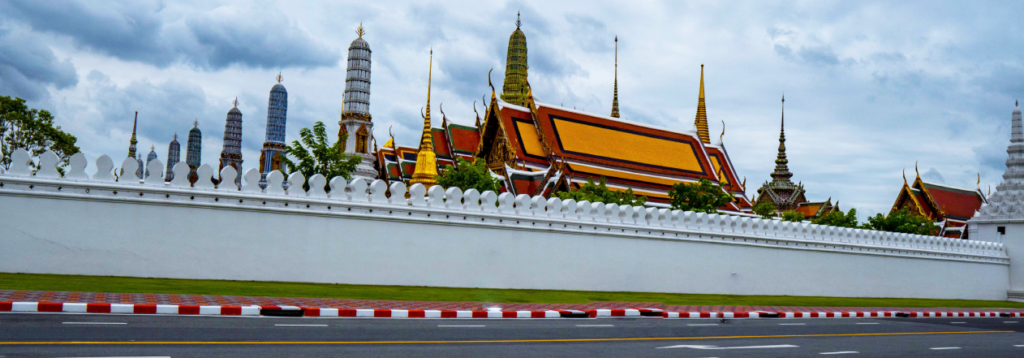
Travel Thailand: Everything You’ve Imagined, and Then Some Bangkok · Krabi · The Islands · And Every Memory In Between Thailand is one of those places that lives in people’s dreams long before they actually go. The golden temples, the street food that hits different at midnight, the turquoise water around the islands, the warmth of the people — it all sounds almost too good to be true. And then you go. And it’s real. And it’s better. This blog is a mix of two things: a general guide to help you plan your own trip, and my personal story of travelling Thailand with my friend Claire 🌺 — about three years ago now. I’m writing this from memory, but some memories are sharp enough that they feel like yesterday. We covered Bangkok and Krabi, island-hopped on a private boat, hiked stairs we hadn’t bargained for, fell off a bike (and survived), and came home with more than just photos. We came home with the kind of stories you still tell years later. This is that story. I hope it helps you plan yours — and if Claire is reading this, hi. You’ll recognise everything. ✦ How It Started · My Story It was a Sunday afternoon. Claire and I were sitting inside a Starbucks — nothing special, just killing time. She was scrolling through flights to Thailand on her phone and told me the price. Without really thinking too much, I said: “If you can manage, book one for me too. I’ll pay you later.” That was it. No long planning session. No spreadsheet. Just two friends, a coffee shop, and a flight price that felt right. The trip was real. Thailand had always been on the list for both of us. And just like that — almost by accident — it was actually happening. My Story · Bangkok Arrival Once we landed, the first thing we did was grab a Grab — the rideshare app — and head to our hotel. Smooth and easy. Claire had planned everything: which hotel, which areas to move through, how to get around. Everything was thought out, on time, in order. My job was completely different. I was calculating memory cards. How many do I carry? How many pen drives for backup storage? I did not want to run out of space in Thailand of all places. We each handled our half of the trip — and it worked perfectly. Our first destination after check-in was the temples. And they were something else. Coming from India, and with Claire from the Philippines, we both found something familiar in the architecture — the colors, the carvings, the feeling of something old and meaningful. We saw people renting traditional Thai royal costumes for photos outside the temples. A great idea, honestly. But I was already deep in camera mode and Claire was shooting for Instagram, so we just kept moving. Still, it looked amazing — something worth doing if you have the time. The food was good. But what really stayed with me was how the Thai people greet you. It’s completely different from anything I’d experienced. It made me feel something quiet and real: that no matter where you are in the world, people are still just people — and that’s what connects us. Watch the journey https://www.youtube.com/watch?v=7ont-Mk58CU Bangkok The City That Hits You All At Once Bangkok is the kind of city you can’t fully prepare for. It’s loud and quiet in the same moment — ancient temples rising beside glass towers, monks walking past neon signs, street food carts parked next to luxury malls. The city holds all its contradictions together without breaking a sweat. Most trips to Thailand start here. And while it can feel overwhelming at first, Bangkok rewards the curious. Give it a day or two and you’ll stop seeing the chaos as noise — you’ll start seeing it as energy. There’s temple culture, river life, incredible food, rooftop bars, floating markets, massive weekend markets, and a nightlife that genuinely doesn’t sleep. Whatever kind of traveller you are, Bangkok has a version of itself for you. My Story · Bangkok Arrival Once we landed, the first thing we did was grab a Grab — the rideshare app — and head to our hotel. Smooth and easy. Claire had planned everything: which hotel, which areas to move through, how to get around. Everything was thought out, on time, in order. My job was completely different. I was calculating memory cards. How many do I carry? How many pen drives for backup storage? I did not want to run out of space in Thailand of all places. We each handled our half of the trip — and it worked perfectly. Our first destination after check-in was the temples. And they were something else. Coming from India, and with Claire from the Philippines, we both found something familiar in the architecture — the colors, the carvings, the feeling of something old and meaningful. We saw people renting traditional Thai royal costumes for photos outside the temples. A great idea, honestly. But I was already deep in camera mode and Claire was shooting for Instagram, so we just kept moving. Still, it looked amazing — something worth doing if you have the time. The food was good. But what really stayed with me was how the Thai people greet you. It’s completely different from anything I’d experienced. It made me feel something quiet and real: that no matter where you are in the world, people are still just people — and that’s what connects us. Travel does not require a big budget. It requires a decision. The decision that your happiness is also part of the family budget. Must-Visit Spots Popular Places in Bangkok Bangkok has more to offer than most people expect. Here are the places worth putting on your list — whether you have two days or ten. Airport, Bangkok, Thailand The Grand Palace & Wat Phra Kaew Bangkok’s
Explore Your Favourite Destinations
Travel Explore Your Favourite Destinations Why spending on travel is the best investment you can make in yourself I never cared about travelling when I was in school or college. I had no idea what the world outside looked like, or how much it could change the way I think. But today, after experiencing it firsthand, I can say with full confidence — travelling is one of the most important things you can do for yourself. Why Didn’t We Travel Before? Back in school and college days, access to information was very limited. There was no endless social media, no travel vlogs, no content showing you what the Himalayas look like at sunrise or what it feels like to eat street food in Bangkok. We simply didn’t know what was out there. Today, content is everywhere. You can watch someone hike through a forest, explore ancient ruins, or camp by a mountain lake — all from your phone. That exposure is a huge advantage. But here’s the thing: watching is not the same as doing. At some point, you have to put the phone down and go. Should You Really Spend Money on Travel? This is the first question most people ask — and a fair one. Three things usually hold people back: Is it worth the money? Travel does cost money. There’s no way around it. But think about where you spend money otherwise. A brand-new phone, the latest gadgets, expensive outings — these things lose their value quickly. Travel gives you something that lasts forever: experience, perspective, and memories. Real talk You don’t need the latest phone. A second-hand one that works perfectly is enough — and the money you save can take you somewhere completely new. It’s a mindset shift, not a sacrifice. Do I really have to travel? No one is forcing you. But if you’ve ever felt stuck, bored, or like you’re just going through the motions – travel is often the reset you didn’t know you needed. A new place wakes you up in ways nothing else really can. What do I get in return? This is where it gets interesting. The return on travel isn’t measured in money — it’s measured in who you become because of it. What Travel Actually Does to You When you travel, something shifts inside you. It’s hard to explain until you’ve felt it, but here’s what happens: You get perspective You realise the world is much bigger than your city, your problems, and your daily routine. You become calmer Standing at the edge of an ocean or watching a sunrise from a mountain — it quiets the noise in your head. You grow more humble You meet people smarter, kinder, and more talented than you. And that’s a good thing. You learn to adapt New languages, new food, new customs — you stop fearing the unfamiliar and start embracing it. You begin to see that your stress, your worries, your expectations — they’re not as big as you thought. The world is far larger and far more beautiful than anything you’ve imagined from your corner of it. The more you see, the more you know. The more you know, the more humble you become. How to Choose Your Favourite Destination This is entirely personal — and that’s the beauty of it. Your favourite destination is the one that speaks to what excites you most. Know what calls you Are you drawn to adventure? Go hiking, go camping, or try white-water rafting. Do you love history? Visit ancient forts, old cities, museums with stories soaked into their walls. Are you a nature person? Find the forests, the waterfalls, the wildlife. Every kind of traveller has a world designed just for them. Don’t compare, just go Social media will always show you someone with a bigger budget, a fancier hotel, a more exotic location. Ignore it. Use other people’s content for inspiration and ideas — not comparison. Your trip is yours. It doesn’t have to look like anyone else’s. Pro tip Start small if you need to. A nearby city you’ve never explored, a state you’ve always skipped — even a short trip changes your rhythm. You don’t need to cross an ocean to get a new perspective. Travel does not require a big budget. It requires a decision. The decision that your happiness is also part of the family budget. The Art of Travelling Well Try going solo at least once Solo travel is one of the most confidence-building things you can do. When you handle everything yourself — bookings, directions, conversations with strangers — you discover a version of yourself that surprises you. If you find a friend to join you, that’s great too. But solo travel teaches you something different. Take care of your health first You can’t enjoy a beautiful place if you’re unfit or unwell. Travel involves walking, sometimes hiking, sometimes just standing in awe for hours. Your body needs to be ready for it. Start with fitness — even small habits go a long way. Talk to people Sit with strangers. Ask about their culture. Share yours. Some of the most memorable moments of travel happen not at famous landmarks, but in quiet conversations with people you’d never have met otherwise. That exchange of ideas, food preferences, traditions, and simple human warmth — that is the real gift of travel. Bring your camera, document your journey Take your phone or your camera and capture what you see. Not just for social media — but because looking back at those moments later reminds you of who you were and what moved you. Edit a short video when you return. Share it if you want. But the real value is in having a record of your own story. Final Thoughts Travelling isn’t just a hobby. It’s a way of growing up — no matter what age you are when you start. Every place you visit adds something to you: a new way of seeing,
Sibu, Sarawak
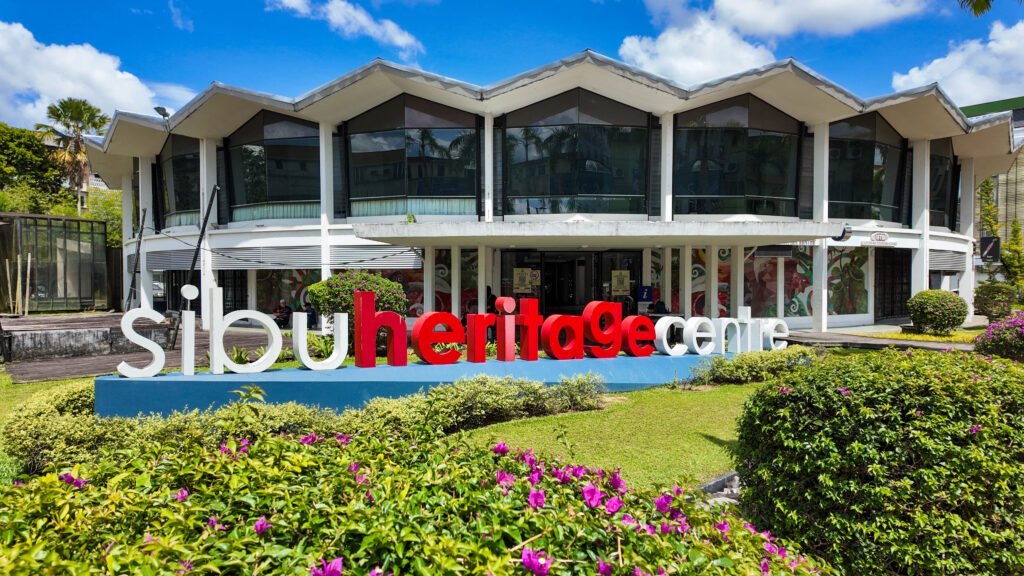
Travel Discovering Sibu: The Heartbeat of the Rajang River Overview Let me be honest — when most people plan a Sarawak trip, Sibu is not the first name that comes to mind. Everyone rushes to Kuching or Miri. But that’s exactly why Sibu is worth a visit. Sibu is the third largest city in Sarawak and sits along the Rejang River — the longest river in Malaysia. It’s a busy, lived-in, real-life kind of town. No over-the-top tourist traps. No Instagram-optimised waterfronts. Just a city with an incredibly rich trading history, a fascinating mix of cultures, and food so good it’ll rearrange your priorities in life. Why it’s popular Sibu draws a specific kind of traveller — one who wants something genuine. Here’s why people keep coming back. Foochow Chinese Heritage— Sibu has one of the most concentrated Foochow Chinese communities outside of China. The dialect, the food, the temples, the architecture — all of it feels incredibly preserved and distinct. The Rejang River— The river is the lifeblood of the region. Watching the express boats and cargo ferries move up and down the river is a visual experience that feels timeless. Hawker food culture— Sibu’s wet markets and hawker centres are legendary among food lovers. The food here is honest, cheap, and deeply delicious. Gateway to the interior— Sibu is the main jumping-off point for boat journeys upriver to Kapit and beyond — places where longhouse culture is still very much alive. Sibu Heritage Centre— For anyone who wants to understand how this trading town grew from a tiny settlement into a city, the heritage centre tells the story beautifully. Sibu rewards slowness. The more time you give it, the more it gives back. Things to do You won’t need to rush here. Sibu is a city for wandering, eating, and observing. But here are the must-dos: Sibu Waterfront— Walk the promenade along the Rejang at golden hour. Watch the boats, breathe in the river air, and just soak in how alive this stretch of water is. Lau King Howe Memorial Museum— Tells the story of Sibu’s first hospital and its Chinese pioneer roots. Small but fascinating. Tua Pek Kong Temple— An iconic seven-storey pagoda that’s been standing since the early 20th century. Climb it for a view over the city and the Rejang. Central Market (Pasar Sibu)— Go early — 6 to 8am is peak hour. Wild boar, freshwater fish, jungle ferns, pineapples, and things you’ve genuinely never seen before. Day trip to Kapit— Take a 2-hour express boat upriver. Kapit is a small town deep in the jungle interior, gateway to Iban longhouses. It’s like stepping into another world. Methodist Pilley Institute & Old Town Area— Wander around the old town and the heritage shophouses. The architecture tells the whole colonial-era trading story without a single tour guide. Night markets— At night, grab a plastic stool at the open-air markets. Beer is cold, company is warm, and the food never stops coming. Pro tip The express boat to Kapit departs from the Sibu Express Wharf in the morning. Get there by 8am, buy your ticket, and you’ll be deep in the rainforest by lunch. No booking needed, just show up. Weather Sibu is hot and humid all year round — it’s Borneo, after all. Don’t expect dramatic seasons. Expect sweat, sudden rain, and then bright sunshine 20 minutes later. The rain here is heavy but usually short. It pours for 30 minutes and then the sun is back out. Carry a small umbrella or a poncho and you’ll be fine. The best months to visit are between May and August — it’s drier, slightly cooler in the evenings, and the river is at a good level for boat trips. Morning is the best time to be outside. Markets are buzzing, it’s not yet cooking hot, and the light on the river is gorgeous. By 2pm, find yourself a coffee shop or an air-conditioned spot and wait it out. Culture Culture is probably Sibu’s biggest surprise for first-time visitors. You expect a small trading town — and you get a layered, fascinating mix of identities all living side by side. The Foochow Chinese settlers arrived in the early 1900s under the guidance of Methodist missionary Wong Nai Siong, and their influence is everywhere — in the dialects spoken, the temples built, the food cooked, and the way business is conducted. Walking through the old town feels like a living museum. But it’s not just Chinese culture. Sibu is also home to Iban, Malay, Melanau and other indigenous communities. You’ll hear multiple languages in a single coffee shop conversation. And somehow, it all fits. Festivals here are a serious affair. Chinese New Year in Sibu is one of the liveliest in all of Sarawak — the kind of celebration where entire streets light up and the noise doesn’t stop for three days. The Methodist church also plays a surprisingly central role in the community’s identity — there are large churches, mission schools, and institutions that have been here for over a hundred years. It’s a reminder that Sibu’s character was shaped by an unusual crossing of Chinese roots, indigenous culture, and Christian missionary history, all fused together over generations. Food You Must Try You cannot visit Sibu without an appetite. The food here is unique, even compared to the rest of Sarawak. Kampua Mee: The undisputed king of Sibu food. These are simple dry noodles tossed in lard (or vegetable oil) and topped with slices of pork. It’s cheap, delicious, and eaten for breakfast, lunch, and dinner. Kompia: Often called the “Foochow Bagel,” these are hard bread rolls baked in a traditional clay oven. Try them plain or stuffed with minced meat. Sarawak Laksa: While Kuching is famous for it, Sibu has its own fantastic versions. It’s a spicy, coconut-based noodle soup that’s “breakfast of the gods.” Ding Bian Hu: A delicate rice flour soup cooked by pouring batter around the edges of a wok. It’s light, savory,